

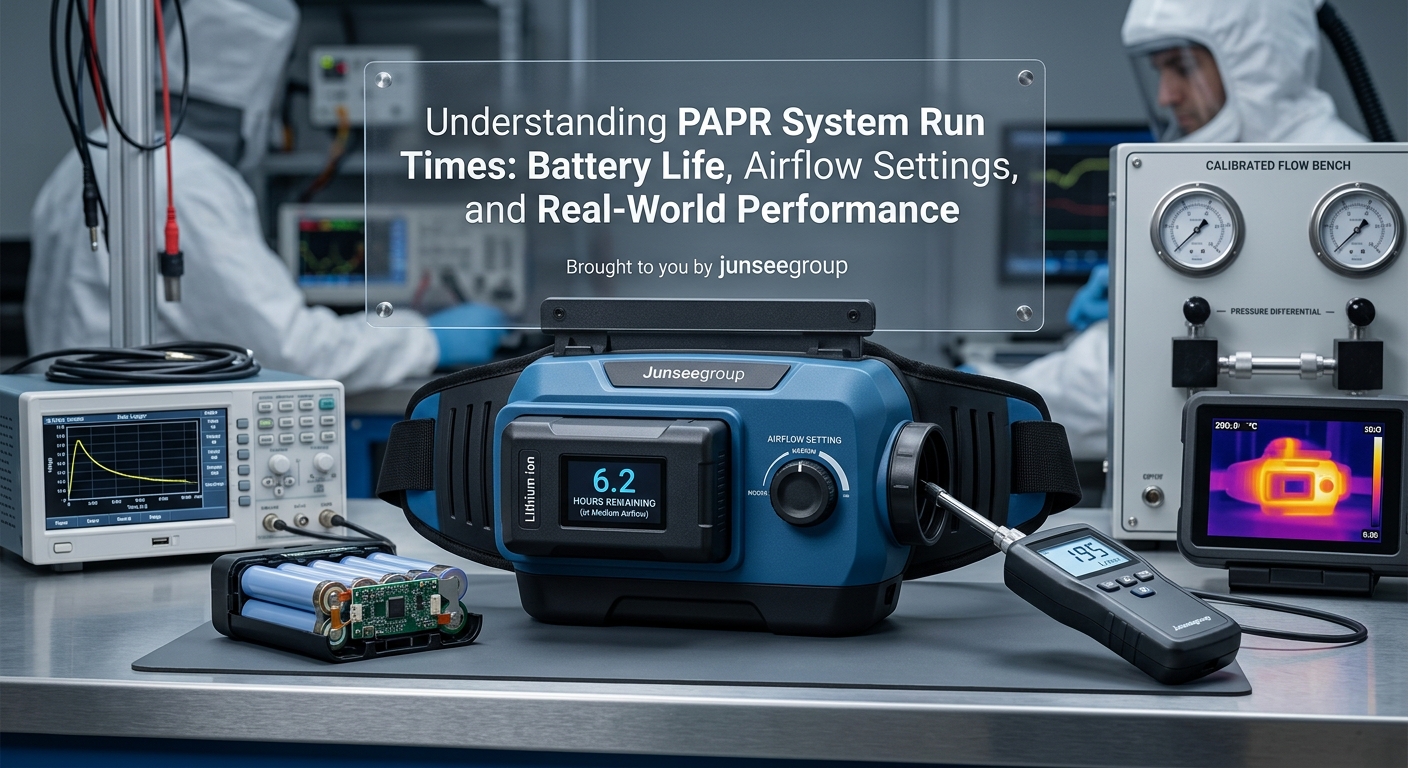
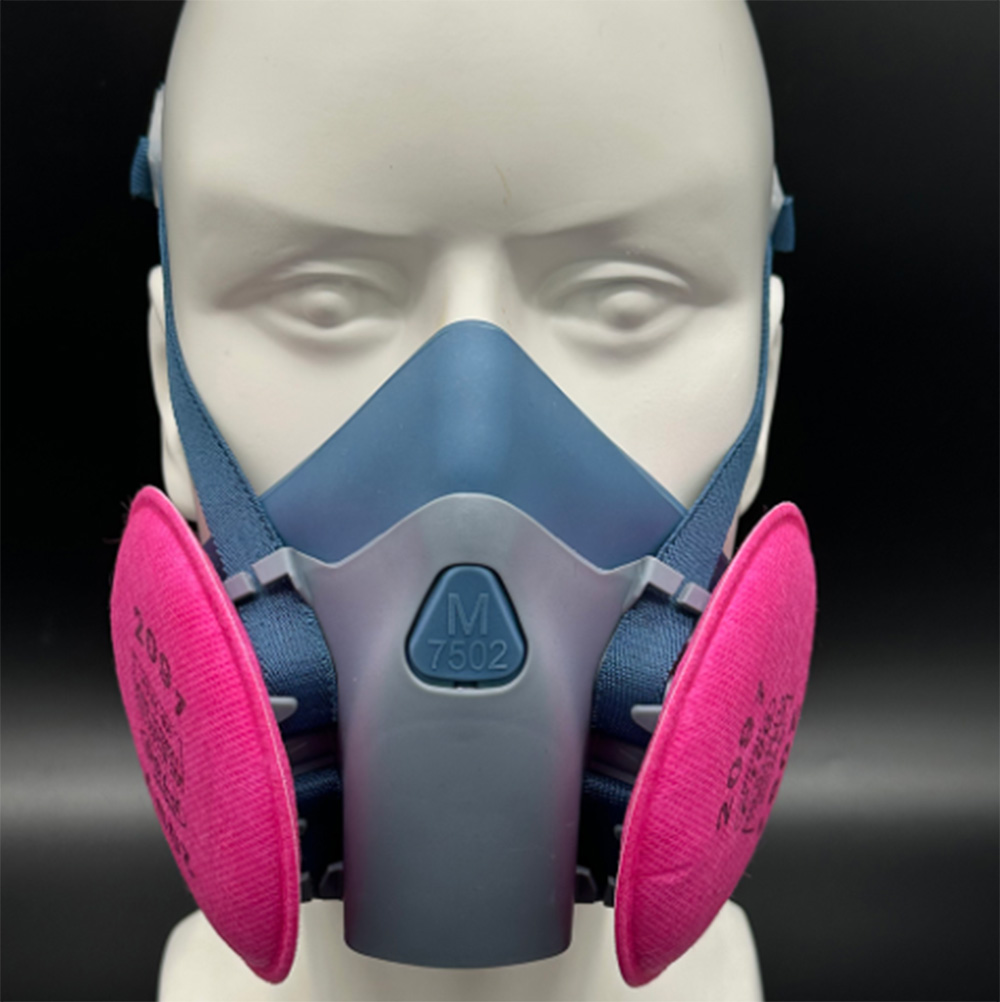
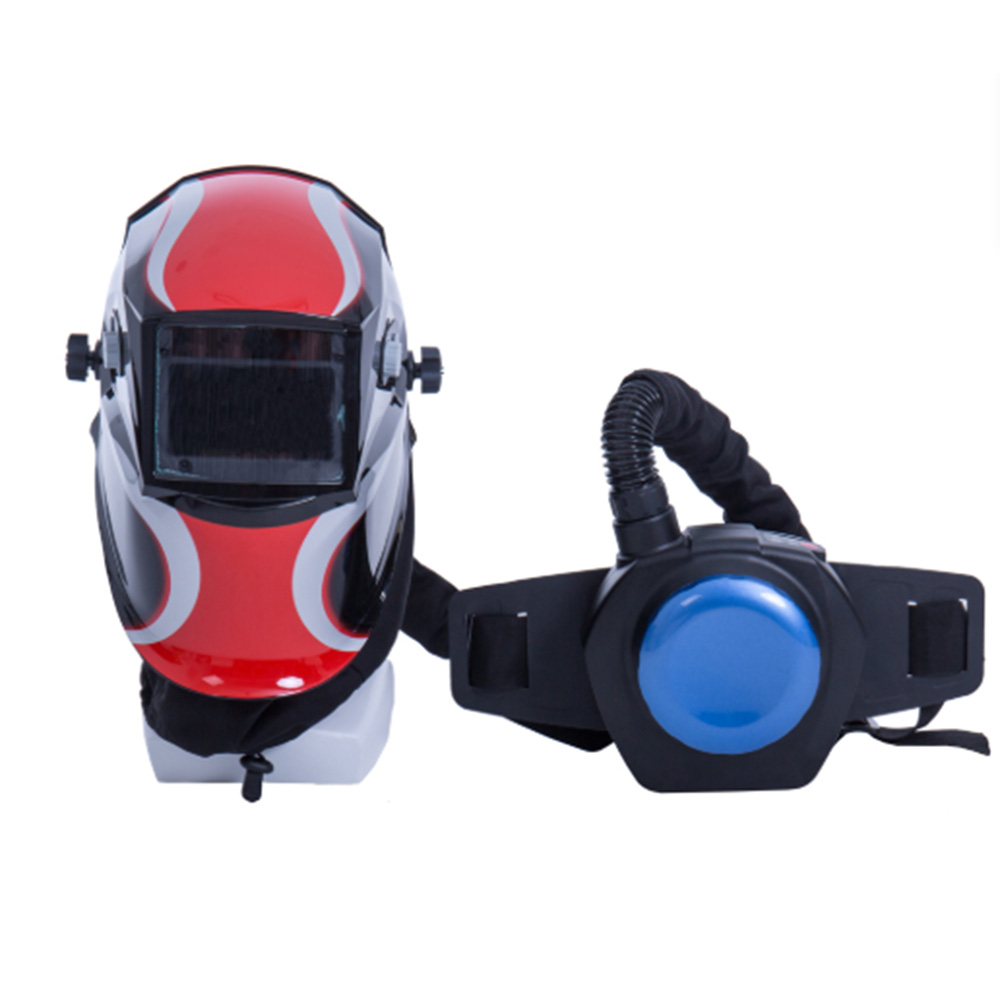
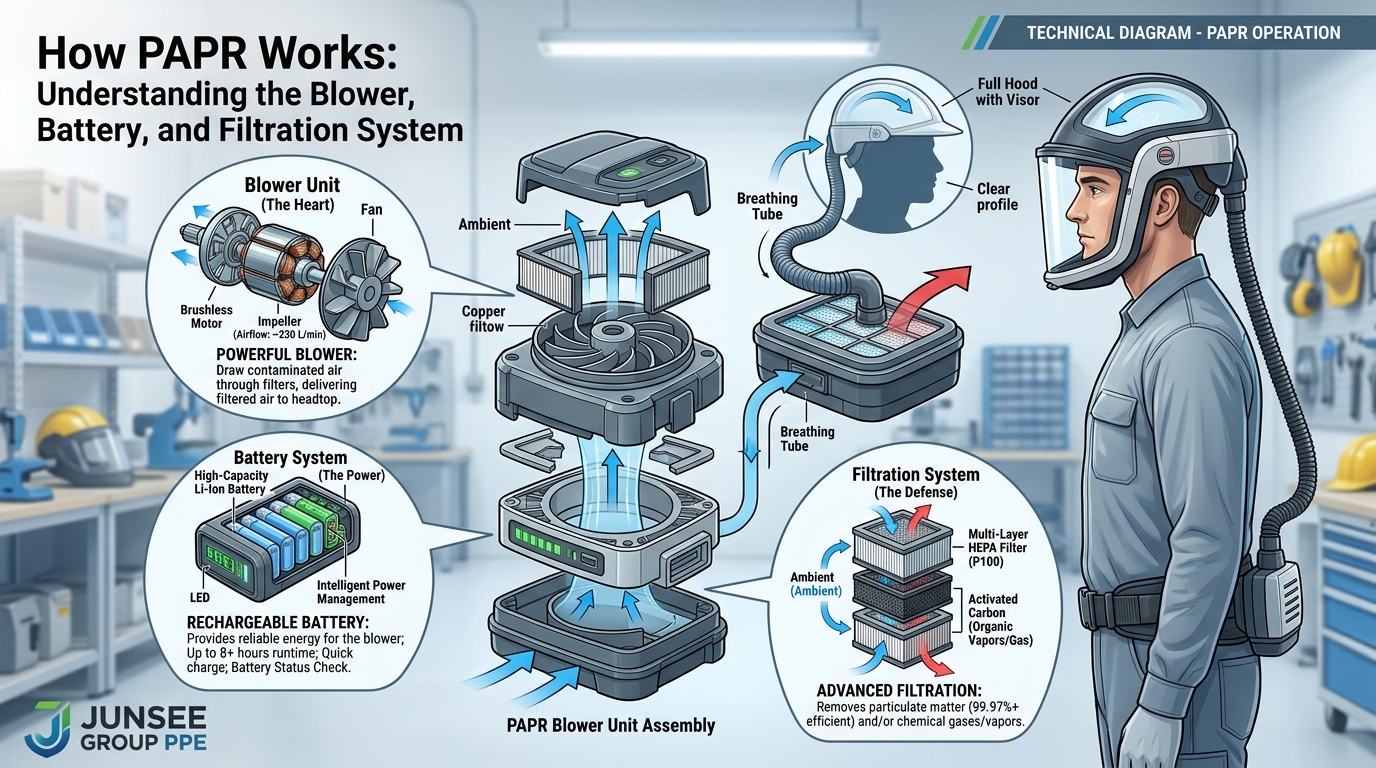
The battery is the heart of your Powered Air Purifying Respirator (PAPR) . Without a properly functioning battery, even the most advanced PAPR system becomes useless—leaving workers unprotected in hazardous environments.
But here is the reality all PAPR users face: batteries degrade over time.
Normal use of the battery and natural aging of battery cells will gradually decrease the battery's available capacity. This is not a defect—it is a fact of battery chemistry. The good news is that proper care and maintenance can significantly extend battery life and delay the need for replacement.
At Junsee Group, we help customers get the most from their PAPR investments. This guide explains why batteries degrade, how to recognize the warning signs, and—most importantly—how to extend PAPR battery life with proven maintenance practices.
All rechargeable batteries have a limited lifespan measured in charge cycles. A charge cycle is one full discharge and recharge.
Example: The 3M™ Versaflo™ TR-830 lithium-ion battery is rated for approximately 750 full charge/discharge cycles. After 750 cycles, the battery will retain significantly less capacity than when new.
Recognizing battery degradation early allows you to take action—whether that means changing usage habits or replacing the battery before it fails during a shift.
Junsee Group advice: Track battery runtime regularly. If you notice a steady decline over weeks or months, plan for replacement.
⚠️ Critical warning: A swollen or damaged battery is a safety hazard. It can overheat, catch fire, or explode. Stop using it immediately and dispose of it properly.
The National Institute for Occupational Safety and Health (NIOSH) recommends performing a visual inspection of the battery before each use to determine if it has been damaged or shows evidence of leaking chemicals or bulging.
| Inspection Point | What to Check |
|---|---|
| Casing | No cracks, swelling, or deformation |
| Terminals | No corrosion or damage |
| Labels | Legible and intact |
| Seals | No signs of leakage |
| Symptom | Possible Cause |
|---|---|
| Battery takes much longer to charge than before | Internal resistance increased—degradation |
| Battery charges very quickly but drains fast | Capacity severely reduced |
| Charger indicates error or does not recognize battery | Communication failure or dead cells |
| Battery gets extremely hot during charging | Internal short or severe degradation |
If the PAPR's low airflow alarm activates earlier than expected—or if the unit cannot maintain required airflow even with a fully charged battery—the battery may be unable to deliver sufficient voltage under load.
NIOSH guidance: Check the PAPR's airflow level or battery status before every use, and after four hours, then every two hours.
The best way to deal with battery degradation is to slow it down with proper care and maintenance. Follow these proven tips.
Note on smart chargers: Some PAPR chargers are "smart chargers" that stop providing power once the battery is fully charged, allowing overnight charging. However, it is still not recommended to charge batteries for extreme lengths of time as this can reduce battery capacity.
Proper storage is one of the most important factors in battery longevity.
Critical point from AirBoss Defense Group: For long-term storage of 6 months or greater, batteries require charging for forty-five minutes every six months. If battery maintenance has not been performed, the battery's life may be significantly reduced.
Temperature is one of the biggest enemies of battery life.
✅ Junsee Group recommendation: Store PAPR batteries in a climate-controlled environment between 10°C and 25°C (50°F to 77°F) whenever possible. Never leave batteries in hot vehicles or direct sunlight.
If your workplace has multiple PAPR units and batteries, implement a rotation system.
| Practice | Benefit |
|---|---|
| Label each battery with purchase/commissioning date | Track age and cycle count |
| Assign batteries to specific shifts or users | Identify problematic batteries quickly |
| Use oldest batteries first | Prevents batteries from aging unused on shelves |
| Keep spare batteries in rotation | Unused batteries degrade too—use them periodically |
NIOSH recommends checking the PAPR's airflow level or battery status before every use, and after four hours, then every two hours.
| If you observe... | Action |
|---|---|
| Normal airflow throughout shift | Battery is healthy |
| Airflow drops below required level before shift ends | Battery may be degrading—monitor closely |
| Immediate low airflow warning with fully charged battery | Battery likely failed—replace |
| Do | Don't |
|---|---|
| Wipe battery exterior with dry or slightly damp cloth | Submerge battery in any liquid |
| Ensure connector contacts are clean and dry | Use solvents or harsh chemicals on battery |
| Inspect for debris in battery compartment | Force a damaged battery into blower |
Some batteries have safety features to protect against:
Excessive heat
Internal pressure buildup
Over-current
Over-discharge
These features can affect PAPR operation. Being aware of any safety features installed in the battery will help you understand how they could affect PAPR performance.
Example: Some batteries will automatically shut down if they detect unsafe conditions—this protects the user but could be mistaken for battery failure.
Depending upon the length of time in storage, rechargeable batteries may need to be conditioned prior to first use. The manufacturer's instructions will detail how to carry out this procedure.
For lithium-ion batteries, this typically means:
✅ Note: On delivery, PAPR batteries are not fully charged. Ensure the battery is fully charged before first use.
Even with perfect maintenance, batteries eventually wear out. Here is when to replace.
| Usage Pattern | Expected Lifespan |
|---|---|
| Daily use (1 shift, 5 days/week) | 2-4 years (depending on cycle count) |
| Occasional use (weekly) | 3-5 years |
| Backup/spare (stored properly with maintenance) | 3-5 years with proper storage maintenance |
Example calculation: A lithium-ion battery rated for 750 cycles, used 250 days per year (one full discharge per day), would theoretically last 3 years before reaching 750 cycles.
⚠️ Critical: The battery must be the one specified in the list of components on the NIOSH approval label that is packed with the unit. Using non-approved batteries can void certification and compromise protection.
Implement this simple checklist for workers who use PAPR systems daily.
Ensure battery is fully charged
Check that battery clicks securely into blower unit
Verify expected runtime is sufficient for shift duration
Be aware of any low battery alarms
Turn off PAPR blower
Remove battery if storing for extended period
Place battery on charger (if appropriate for your model)
Store in clean, dry, temperature-controlled area
Clean battery exterior and connector contacts
Document any observed runtime changes
Report degraded batteries to supervisor
Perform full charge/discharge cycle (for NiMH batteries)
Inspect spare/backup batteries
If the PAPR airflow drops below the required level during a shift:
⚠️ Never replace a battery in a contaminated area. Always move to a clean, safe location first.
When a battery has reached the end of its useful life, proper disposal is essential for safety and environmental compliance.
⚠️ Warning: Failure to properly dispose of battery packs may lead to environmental contamination, fire, or explosion and may result in serious injury or death.
Battery degradation is inevitable—but premature degradation is not. Following the tips in this guide can significantly extend the life of your PAPR batteries, saving your organization money and ensuring workers always have reliable protection.
At Junsee Group, we provide:
✅ Genuine replacement batteries for all PAPR systems we sell
✅ Manufacturer-specified chargers
✅ Battery maintenance training for safety managers and workers
✅ Technical support for battery-related issues
The bottom line: A well-maintained PAPR battery is a reliable PAPR battery. Take care of your batteries, and they will take care of your workers.
Need replacement batteries or maintenance guidance for your PAPR program?
Contact Junsee Group today. We stock genuine OEM batteries and chargers—and we are always here to help you get the most from your respiratory protection investment.


Your email address will not be published. Required fields are marked