
When it comes to protecting workers from airborne hazards, safety managers face a critical financial and operational decision.
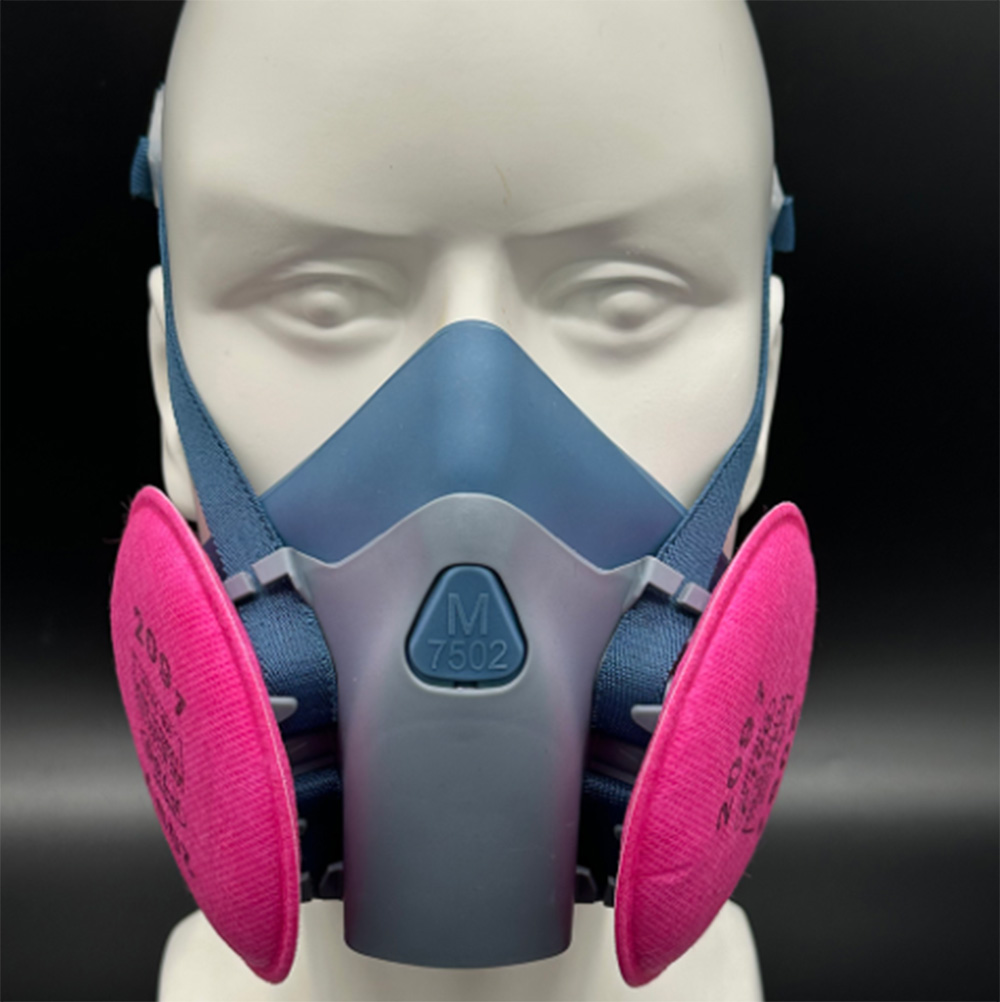
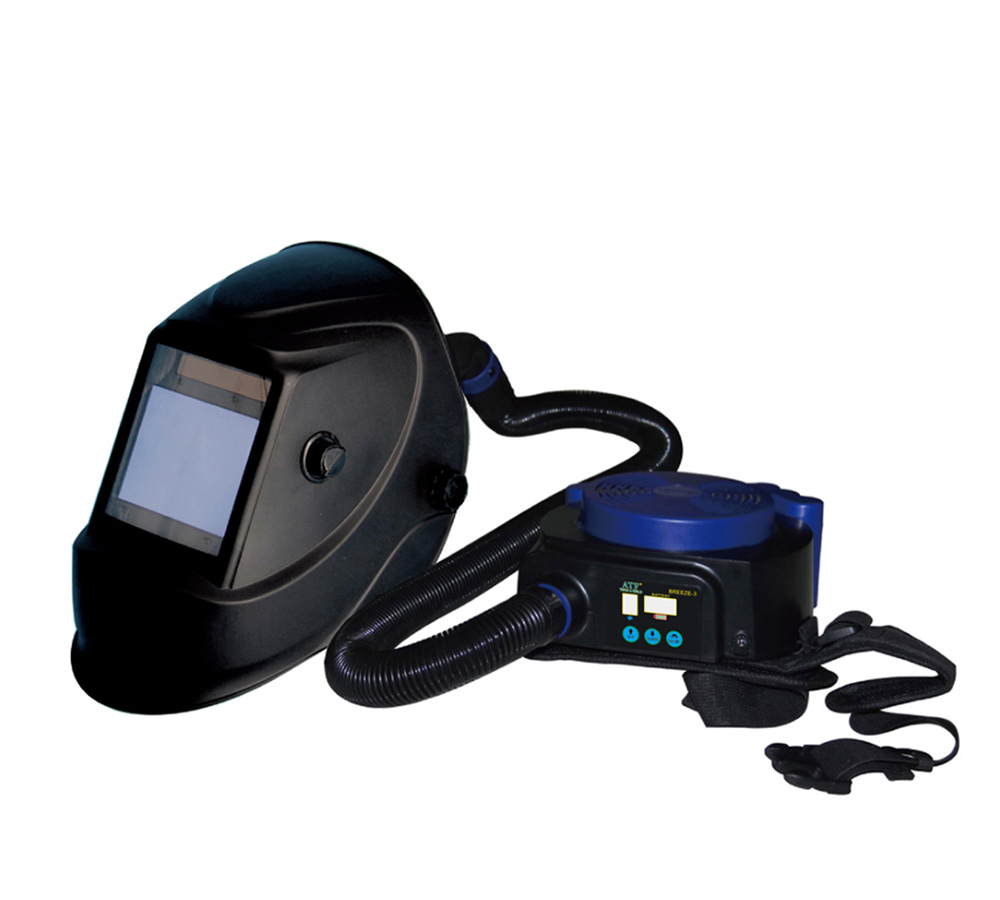
PAPR (Powered Air Purifying Respirator) vs Gas Mask (traditional elastomeric respirator) – which is right for your factory?
At Junsee Group, we help factories answer this question every day. And the answer is not always the same. It depends on your hazard type, shift duration, worker population, and – importantly – your budget.
This article breaks down the PAPR vs respirator comparison across five key dimensions and provides a calculation framework to help you make the right decision for your factory.
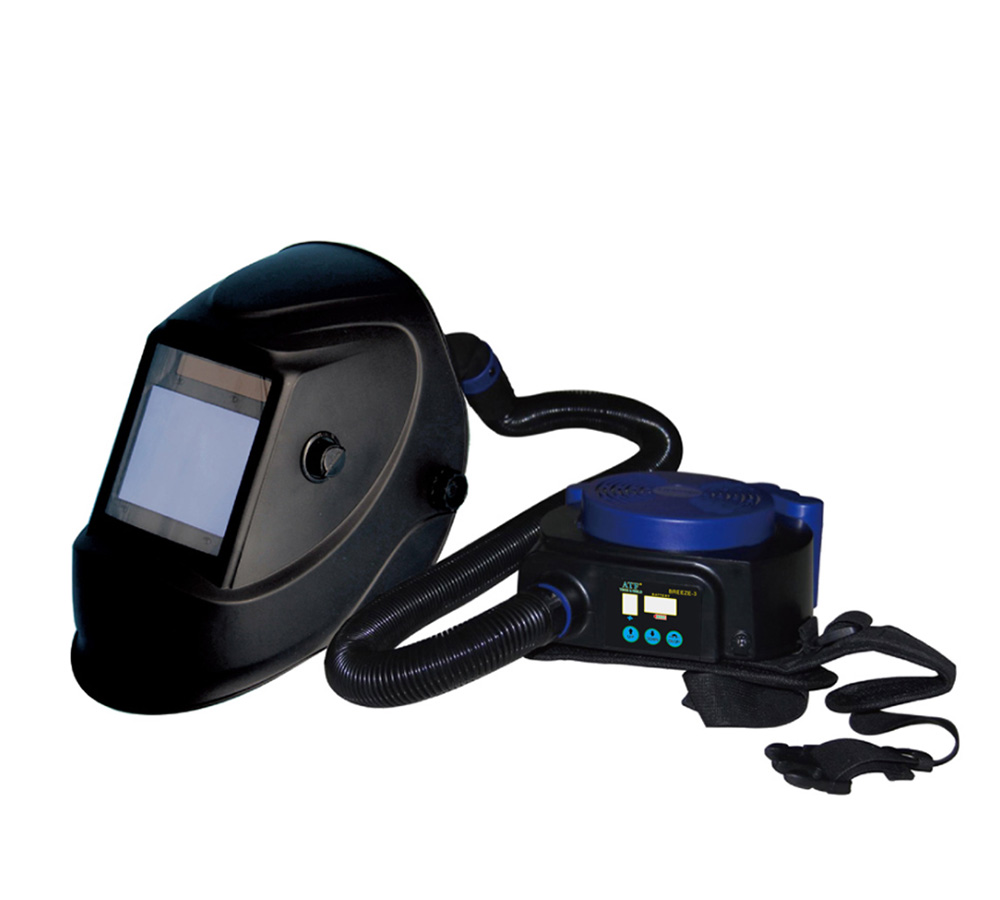
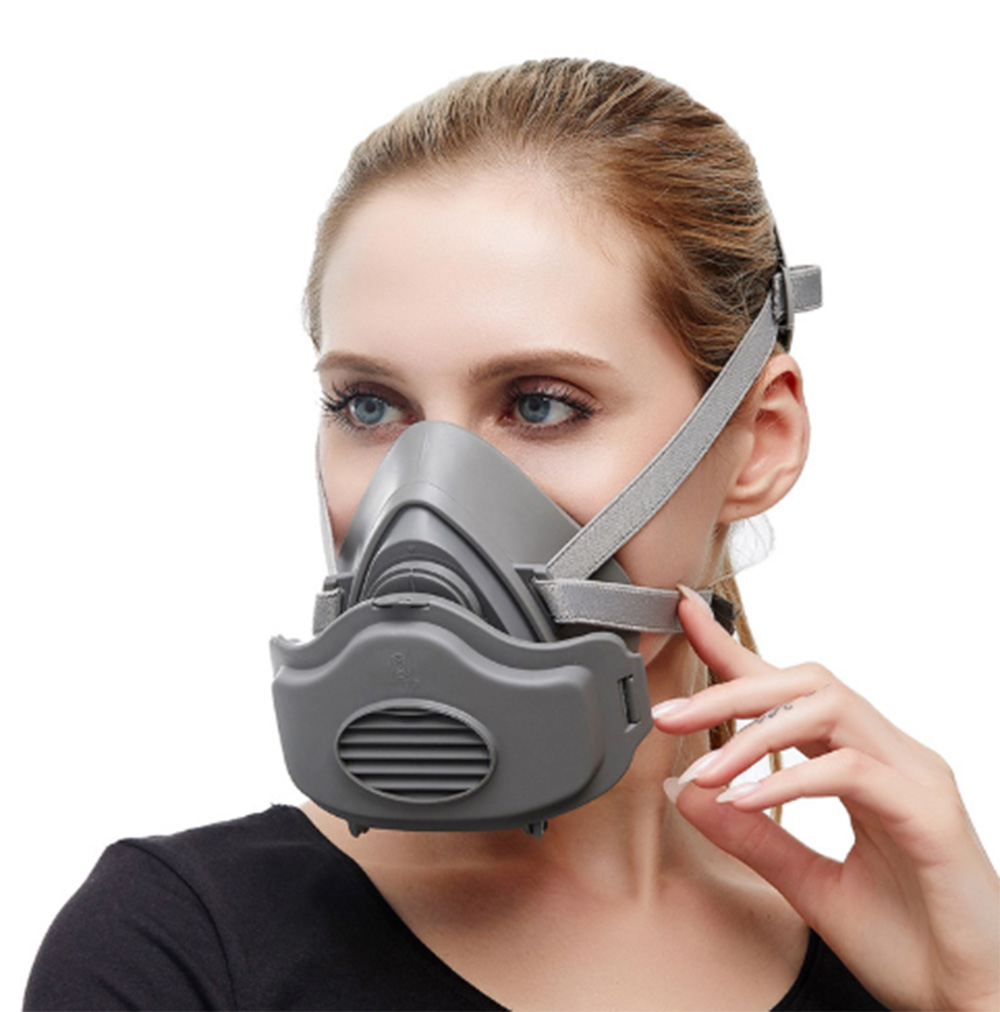
| Traditional Gas Mask (Elastomeric Respirator) | PAPR (Powered Air Purifying Respirator) | |
|---|---|---|
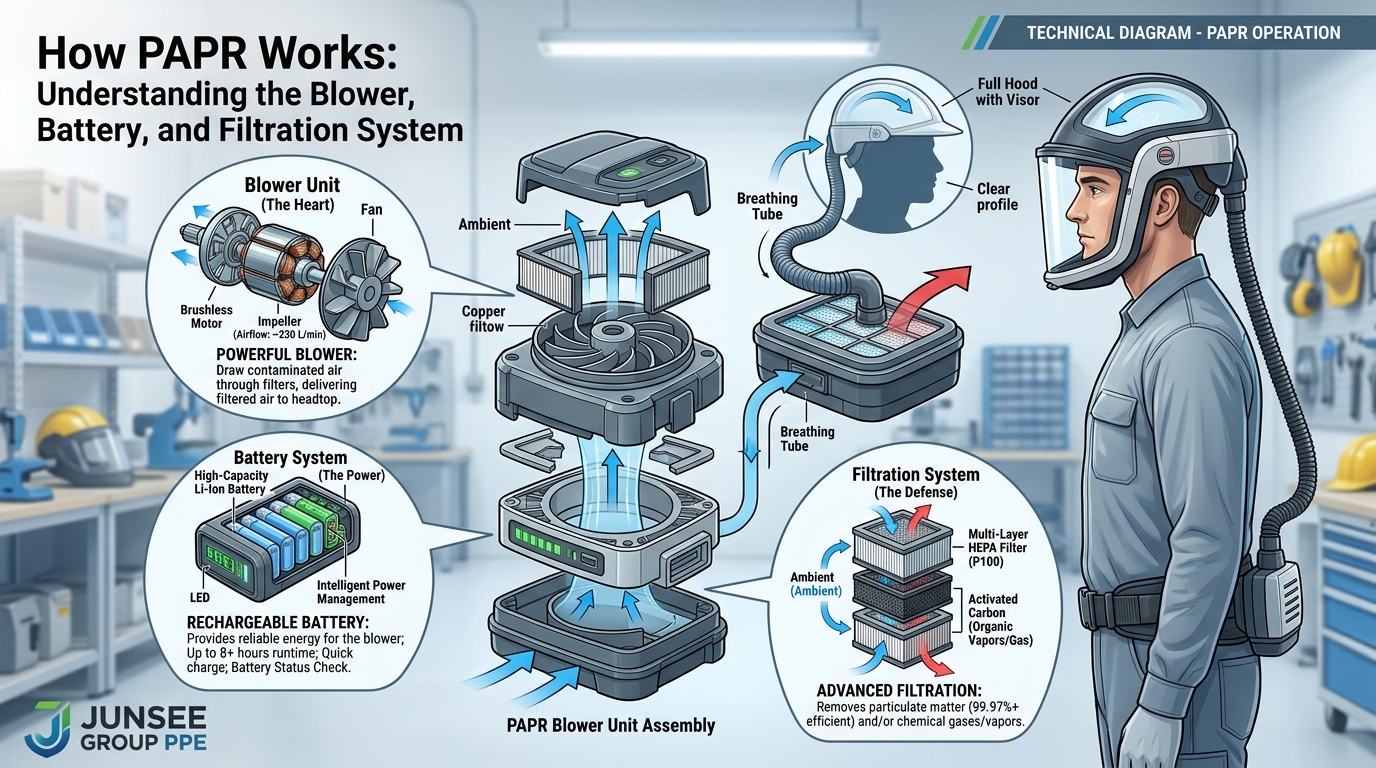
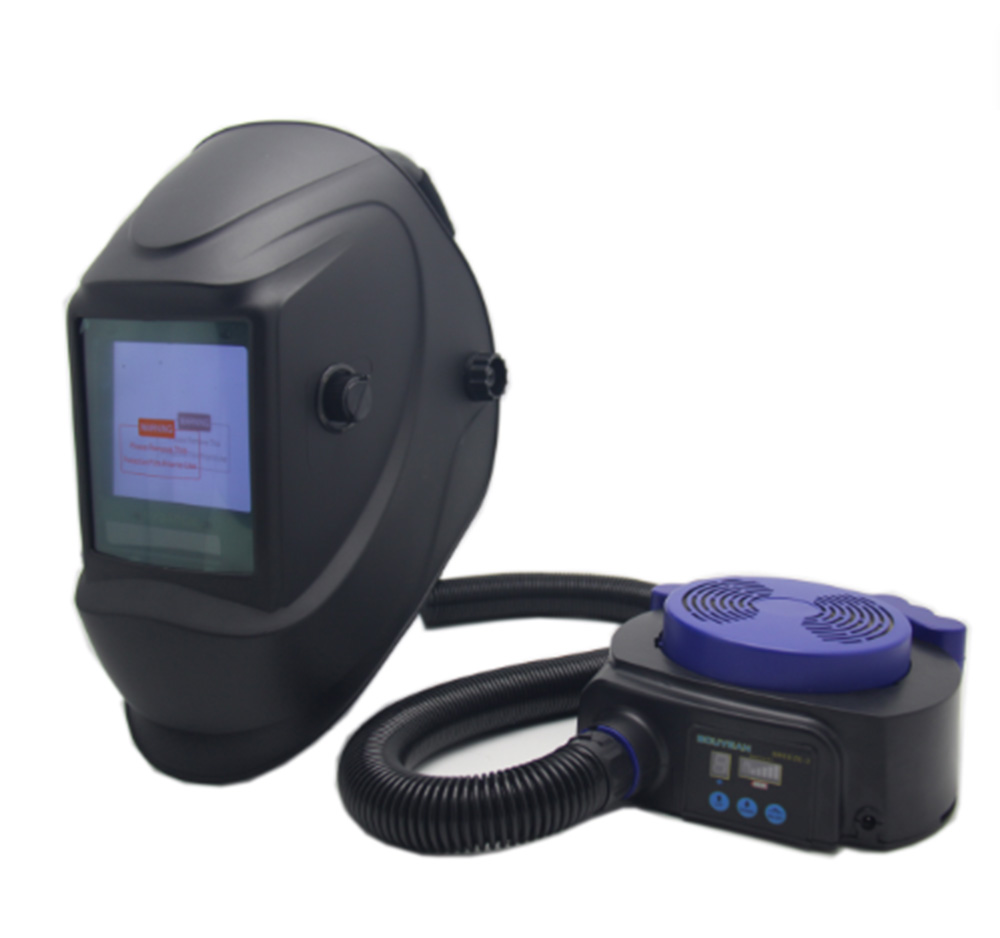
| How it works | User inhales, pulling air through filters | Battery-powered fan pushes air through filters |
| Airflow | Negative pressure (user works to breathe) | Positive pressure (fan does the work) |
| Power source | None – purely mechanical | Battery (rechargeable) |
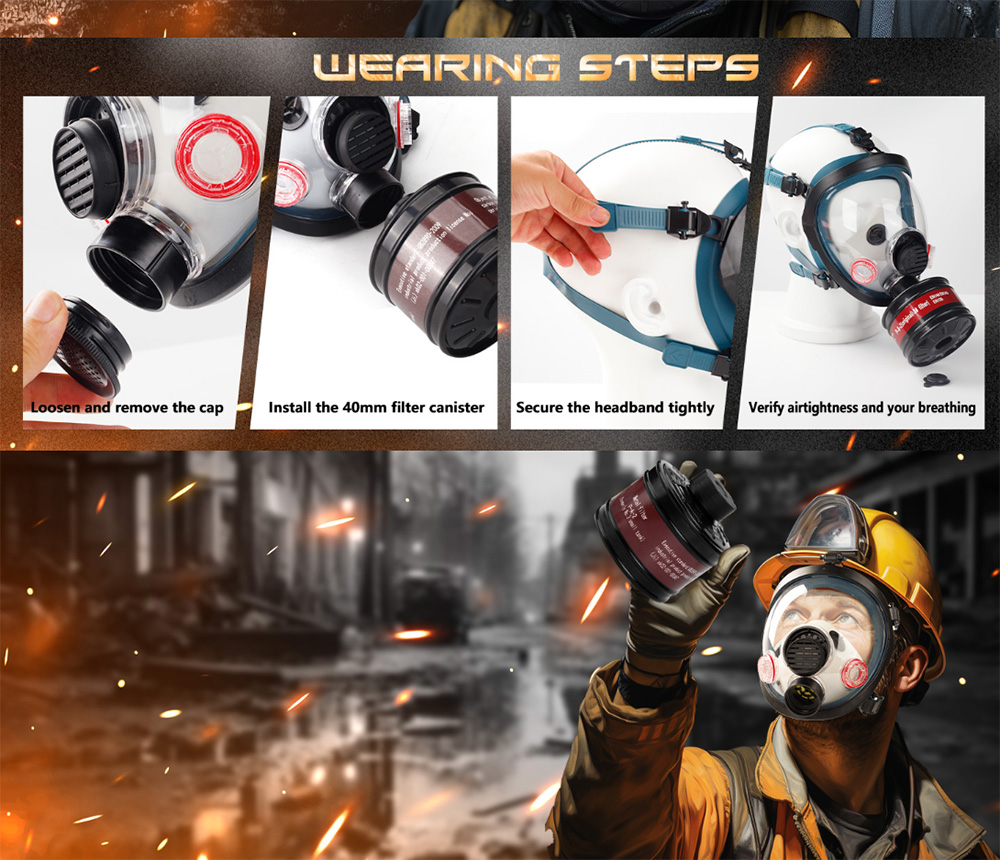
| Fit testing required | Yes – annual fit testing mandatory | No – for loose-fitting hoods/helmets |
| Protection factor (APF) | 10 (half mask) / 50 (full facepiece) | 25 – 1000+ (depending on configuration) |
| Facial hair allowed | No – breaks the seal | Yes – with loose-fitting headgear |
| Weight on face | Moderate to heavy | None (blower worn on belt or back) |
| Typical cost (equipment) | 250 per unit | 1,500 per unit |
This is the most important factor. PAPR vs gas mask is not just about cost – it is about whether a traditional respirator can provide adequate protection at all.
| Hazard Level | Required APF | Recommended Solution |
|---|---|---|
| Low (dust, nuisance odors) | 10 or less | Gas mask (half mask) may be sufficient |
| Moderate (solvent vapors, pesticide mists) | 10-25 | Gas mask (full facepiece) or PAPR |
| High (isocyanates, potent APIs, toxic gases) | 25-1000+ | PAPR required – gas mask APF insufficient |
| Unknown or variable | 1000+ | PAPR with high-efficiency filters |
Junsee Group calculation: If your hazard's airborne concentration exceeds 10x the occupational exposure limit (OEL), a half mask (APF 10) is not adequate. You need a full facepiece (APF 50) or PAPR (APF 25-1000+). For hazards with OELs below 10 µg/m³ (potent APIs, carcinogens), PAPR is typically required.
✅ Recommendation: Review your most recent industrial hygiene sampling. If any results show exposures above APF 10 limits, PAPR becomes the safer – and sometimes only – choice.
Fit testing is mandatory for all tight-fitting respirators (gas masks). Annual fit testing costs time and money – and some workers simply cannot pass.
| Worker Characteristic | Gas Mask | PAPR |
|---|---|---|
| Clean-shaven face | Works well – if properly fitted | Works fine – but not required |
| Beard, goatee, or stubble | Does not seal – not allowed | Works fine (with loose-fitting hood) |
| Non-standard face shape | May not pass fit testing | No fit test required |
| Glasses wearer | Difficult – glasses break seal | Easy – glasses fit under hood |
| Hearing aids or other headgear | Compatibility challenges | Integrated options available |
| High worker turnover (temp workers) | Each worker needs individual fit testing | One PAPR fits all – no testing needed |
Junsee Group calculation: If your factory employs temporary or contract workers who rotate frequently, the cost of fit testing each new worker adds up quickly. A single PAPR hood fits virtually any worker with no testing required – making it more cost-effective for high-turnor environments.
| Scenario | Annual Fit Testing Cost (100 workers) | PAPR Fit Testing Cost |
|---|---|---|
| Gas mask program | 10,000 (testing + admin time) | $0 |
How long do workers wear respiratory protection? How hard do they work while wearing it?
| Work Condition | Gas Mask | PAPR |
|---|---|---|
| Short duration (< 2 hours) | Acceptable – discomfort is limited | Overkill – not cost-effective |
| Medium duration (2-4 hours) | Moderate – worker fatigue begins | Comfortable – no breathing resistance |
| Long duration (4-8+ hours) | Poor – high fatigue, low compliance | Excellent – sustainable all shift |
| High physical exertion | Poor – breathing resistance limits work capacity | Excellent – fan does the work |
| High heat environment | Very poor – hot, moist, uncomfortable | Excellent – cooling airflow |
The physiology fact: Breathing resistance from traditional gas masks increases heart rate and perceived exertion by 10-20% at moderate work rates. Over an 8-hour shift, this adds significant fatigue – reducing productivity and increasing error rates.
Junsee Group calculation: If workers are performing moderate to heavy work for 4+ hours per shift, the productivity loss from gas mask fatigue often exceeds the additional cost of PAPR.
| Shift Duration | Gas Mask Compliance Rate (estimated) | PAPR Compliance Rate (estimated) |
|---|---|---|
| < 2 hours | 85-95% | 95-100% |
| 2-4 hours | 70-85% | 90-98% |
| 4-8+ hours | 50-70% | 85-95% |
A 20% difference in compliance means 1 in 5 workers may be unprotected during a shift. That is a liability risk that no cost savings can justify.
Factory workers rarely wear only respiratory protection. They wear hard hats, safety glasses, hearing protection, face shields, and protective clothing.
| Other PPE Required | Gas Mask | PAPR |
|---|---|---|
| Hard hat | Difficult – straps compete for space | Easy – helmets integrate or fit over hard hats |
| Safety glasses | Difficult – glasses break mask seal | Easy – worn under hood |
| Ear muffs | Difficult – muffs interfere with mask straps | Easy – many PAPR helmets have integrated hearing protection |
| Face shield | Very difficult – cannot wear with mask | Built into PAPR helmet/hood |
| Welding helmet | Very difficult – cannot wear with mask | Integrated PAPR welding helmets available |
| Full body chemical suit | Possible but hot and uncomfortable | Excellent – PAPR can pressurize the suit |
Junsee Group calculation: If your workers need multiple types of PPE, the compatibility nightmare of gas masks drives hidden costs – slower donning, uncomfortable fits, and workers removing required protection.
| Compatibility Factor | Gas Mask | PAPR |
|---|---|---|
| Donning time (with all PPE) | 3-5 minutes | 1-2 minutes |
| Daily donning/doffing cost (100 workers, 2x per day) | $100-200/day in labor | $50-100/day in labor |
| Annual labor cost (250 shifts) | 50,000 | 25,000 |
This is what most safety managers want to know. PAPR vs respirator cost – let us run the numbers for a medium-sized factory with 50 workers requiring respiratory protection daily.
| Assumption | Value |
|---|---|
| Number of workers | 50 |
| Shifts per year | 250 |
| Hours per shift requiring respiratory protection | 6 hours |
| Filter replacement frequency (gas mask) | Every 40 hours of use |
| Filter replacement frequency (PAPR) | Every 80 hours of use (fan extends filter life) |
| Fit testing cost (gas mask) | $75 per worker per year |
| PAPR battery replacement | Every 2 years |
| Equipment lifespan (gas mask) | 3 years (suspension/valves degrade) |
| Equipment lifespan (PAPR) | 5 years (blower unit) |
| Cost Category | Gas Mask (Half Mask + Cartridges) | PAPR (Loose-Fitting Hood System) |
|---|---|---|
| Initial equipment | 50 × 4,000 | 50 × 50,000 |
| Annual filter replacement | 50 workers × 250 shifts × (6 hrs ÷ 40 hr filter life) × 18,750/year | 50 × 250 × (6 ÷ 80) × 23,438/year |
| 5-year filter cost | $93,750 | $117,188 |
| Annual fit testing | 50 × 3,750/year | $0 |
| 5-year fit testing cost | $18,750 | $0 |
| Battery replacement (PAPR only) | $0 | 50 × 1,875/year average |
| 5-year battery cost | $0 | $9,375 |
| Equipment replacement (mid-cycle) | 50 × 4,000 (once at year 3) | $0 (PAPR lasts 5 years) |
| Training and administration | $5,000/year | $2,500/year (simpler system) |
| 5-year training cost | $25,000 | $12,500 |
| Total 5-Year TCO | $145,500 | $189,063 |
| Gas Mask | PAPR | |
|---|---|---|
| 5-year TCO | $145,500 | $189,063 |
| Annual cost per worker | $582 | $756 |
| Premium for PAPR | – | +30% |
PAPR costs approximately 30% more over 5 years – not 1,000% more as the upfront price suggests.
| Unquantified Factor | Gas Mask | PAPR |
|---|---|---|
| Compliance rate (estimated) | 70% | 90% |
| Effective protection (compliance × APF) | 70% × APF 10 = effective APF 7 | 90% × APF 50 = effective APF 45 |
| Productivity loss from breathing resistance | 5-10% reduction in heavy work | 0% reduction |
| Heat stress incidents | Higher risk (documented) | Lower risk |
| Workers' compensation claims from respiratory illness | Baseline risk | Reduced risk |
| Liability exposure from inadequate protection | Higher (APF 10 may be insufficient for some hazards) | Lower |
When you factor in compliance, productivity, and risk reduction, PAPR often delivers better value – even at a higher TCO.
| If Your Factory Has… | Recommended Solution |
|---|---|
| Low hazard concentration (dust, mild fumes), short shifts (< 2 hours), clean-shaven workforce, tight budget | Gas mask – cost-effective and adequate |
| Moderate hazards, mixed workforce (some facial hair), 2-4 hour shifts, moderate budget | Gas mask for clean-shaven / PAPR for others – mixed approach |
| High toxicity hazards (isocyanates, potent APIs, carcinogens), unknown or variable concentrations | PAPR required – gas mask APF insufficient |
| Long shifts (4-8+ hours), high physical exertion, high heat environment | PAPR – compliance and productivity advantages outweigh cost |
| High worker turnover (temp agency, seasonal workers), diverse face shapes | PAPR – no fit testing requirement saves money and time |
| Workers require multiple PPE (hard hat, hearing, face shield) | PAPR – integrated solutions reduce donning time and improve comfort |
| Extreme budget constraint, low hazard, short duration | Gas mask – acceptable for limited, low-risk applications |
At Junsee Group, we do not push one solution over another. We help factories make informed decisions based on their specific hazards, workforce, and operations.
Choose a gas mask (traditional elastomeric respirator) when:
✅ Hazard concentration is low to moderate
✅ Shifts are short (< 3 hours)
✅ Workers are clean-shaven and can pass fit testing
✅ Budget is the primary constraint
✅ No other PPE compatibility issues exist
Choose a PAPR when:
✅ Hazard concentration is high or unknown (APF >10 required)
✅ Shifts are long (> 4 hours) or work is physically demanding
✅ Workers have facial hair or cannot pass fit testing
✅ You have high worker turnover (temp workers)
✅ Workers wear multiple types of PPE
✅ Heat stress is a concern
✅ You want the highest possible compliance rate
The bottom line: PAPR costs more upfront but delivers higher protection, better compliance, and greater worker comfort. For many factories, the 30% premium in TCO is easily justified by reduced liability, improved productivity, and healthier workers.
Junsee Group offers free respiratory protection assessments for factories. We will:
Review your hazard sampling data (or help you collect it)
Analyze your shift durations, work intensity, and worker population
Calculate the PAPR vs gas mask TCO for your specific operation
Provide a written recommendation with options for both solutions


Your email address will not be published. Required fields are marked