
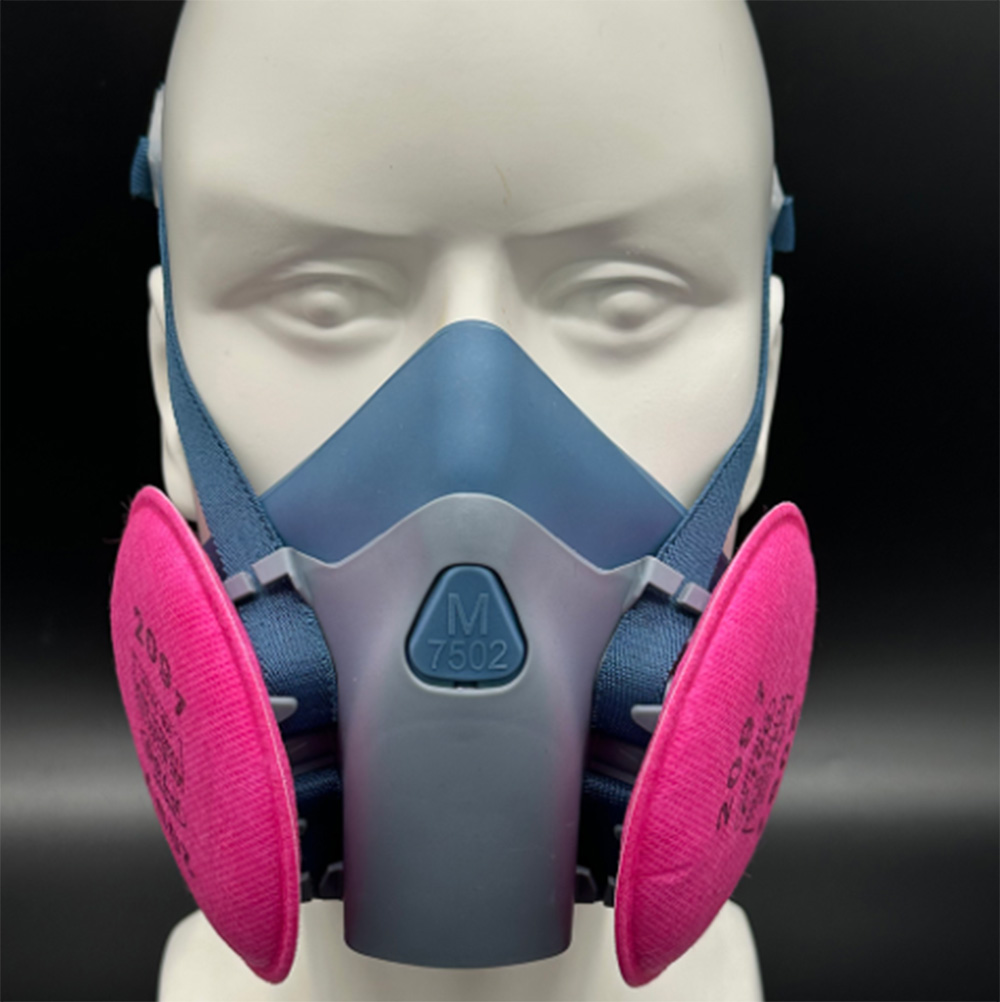
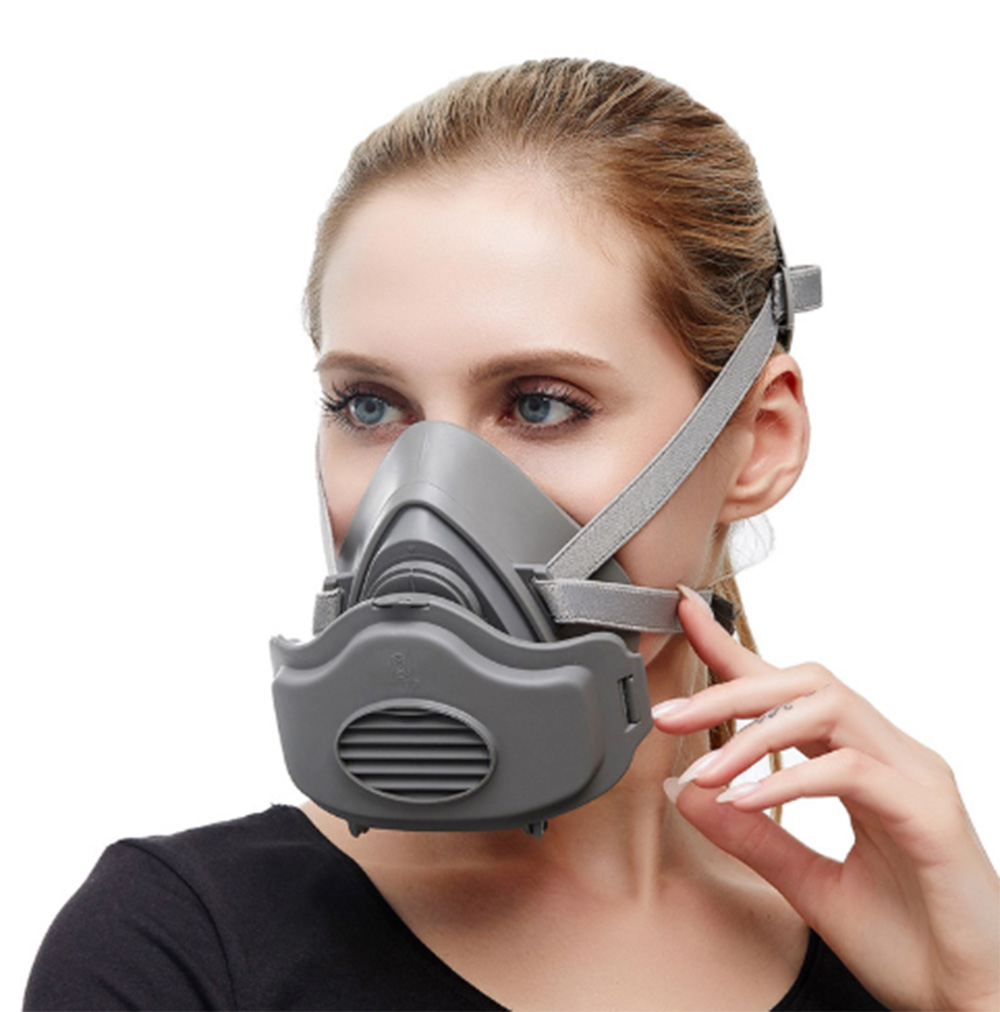
Not every worker needs a Powered Air Purifying Respirator (PAPR) . For many jobs, a simple N95 mask or half-face elastomeric respirator provides adequate protection at a fraction of the cost.
But for some workers, traditional respirators are not enough – either because the hazard level is too high, the work duration is too long, or the worker cannot achieve a proper seal with conventional masks.
At Junsee Group, we help safety managers identify when it is time to upgrade to PAPR. Here are 5 jobs that must consider a PAPR – along with the specific reasons why.
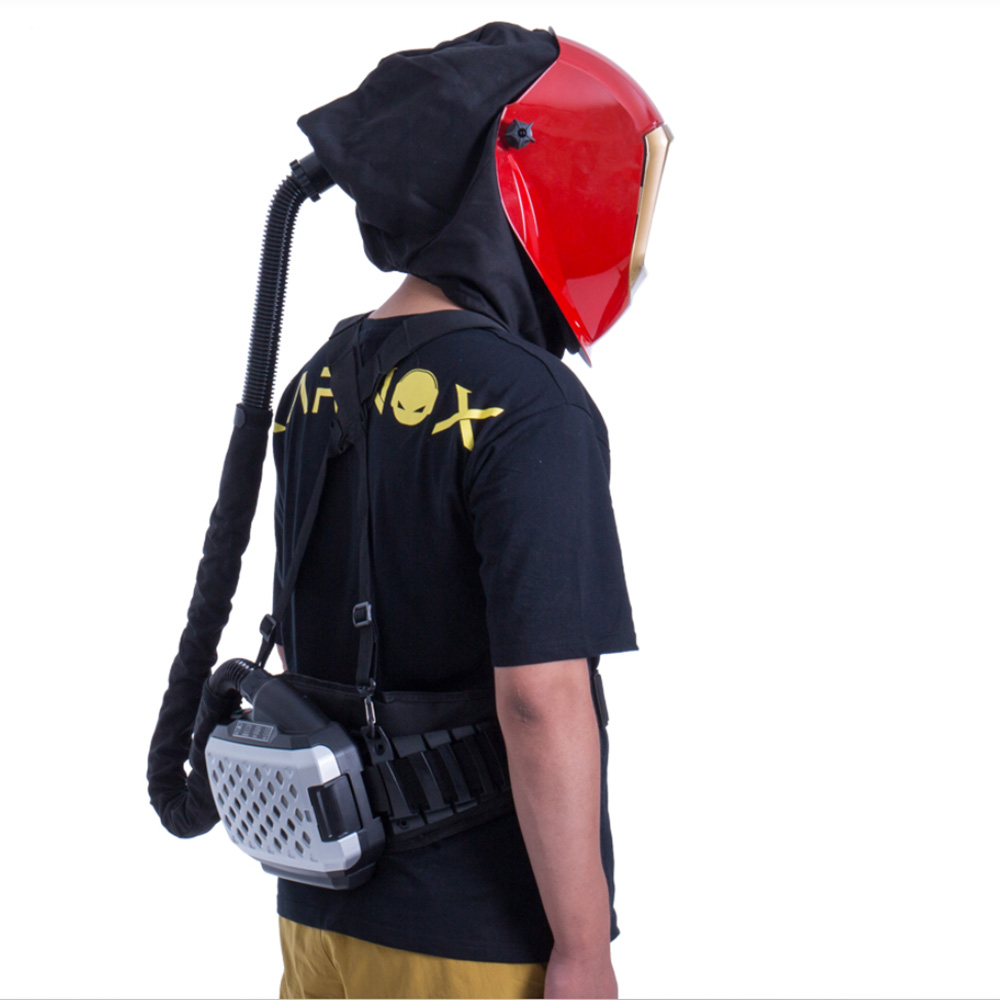
Welding produces a complex mixture of:
Metal fumes (manganese, chromium, nickel, beryllium – depending on the base metal)
Gases (ozone, nitrogen oxides, carbon monoxide)
Fine particulate (often in the nano-size range that standard filters struggle with)
High heat (which makes wearing a traditional mask unbearable)
| Problem | Explanation |
|---|---|
| Intense heat | Wearing a tight-fitting mask for hours in a hot welding environment leads to heat stress, discomfort, and eventually – mask removal. |
| High breathing resistance | Welding requires concentration and steady breathing. Fighting against a clogging filter adds fatigue. |
| Facial hair | Many welders prefer beards for heat protection. Traditional masks cannot seal over facial hair. |
| Fume concentration | In confined spaces (tanks, ship holds, pipe interiors), fume levels can exceed 10x the permissible exposure limit – exceeding the protection factor of a half mask. |
| PAPR Advantage | How It Helps Welders |
|---|---|
| Cool airflow | Constant stream of air across the face keeps welders cooler – reducing heat stress and improving endurance. |
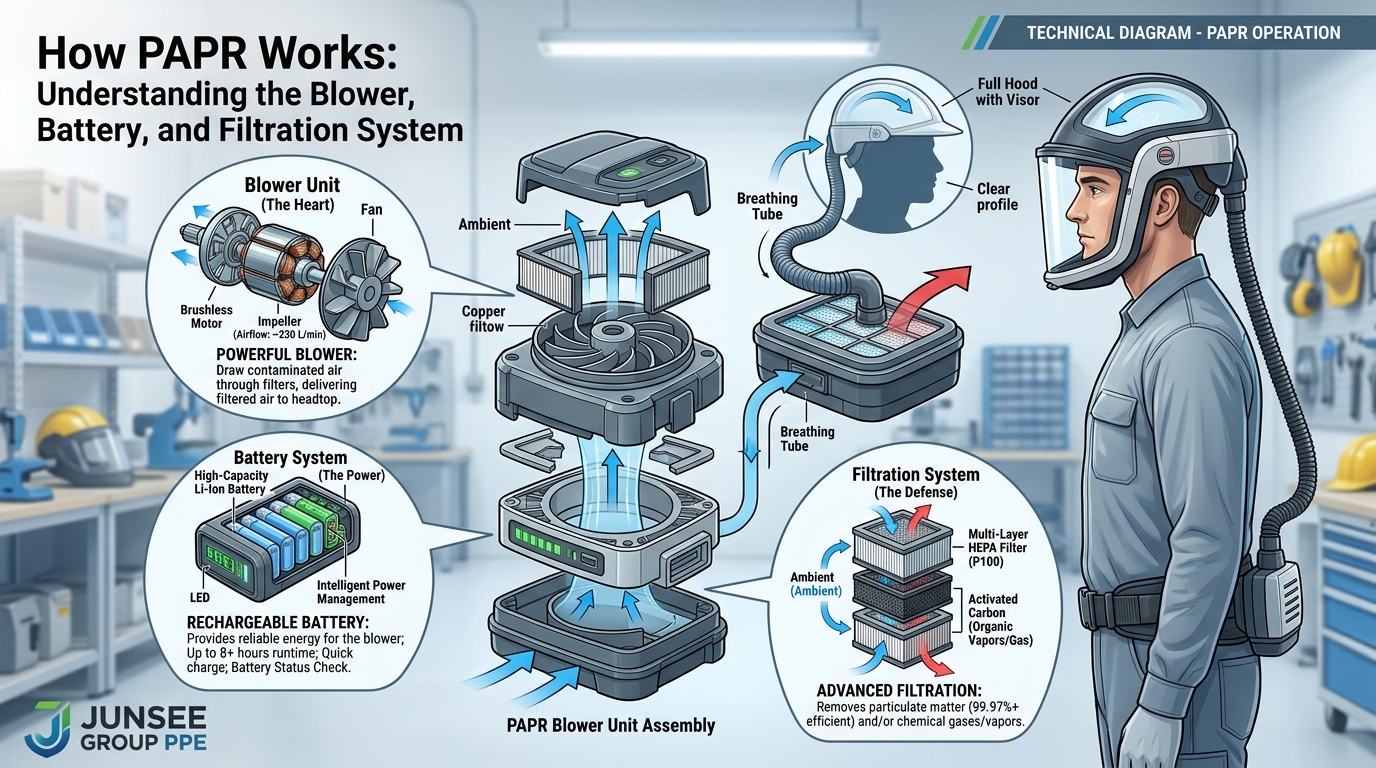
| Zero breathing resistance | The fan does the work. Welders can focus on the weld, not on breathing. |
| Compatible with facial hair | Loose-fitting PAPR hoods require no seal against the skin – beards are not a problem. |
| Higher protection factor | PAPRs typically provide an APF of 25 to 1000 – far exceeding the APF 10 of a half mask. |
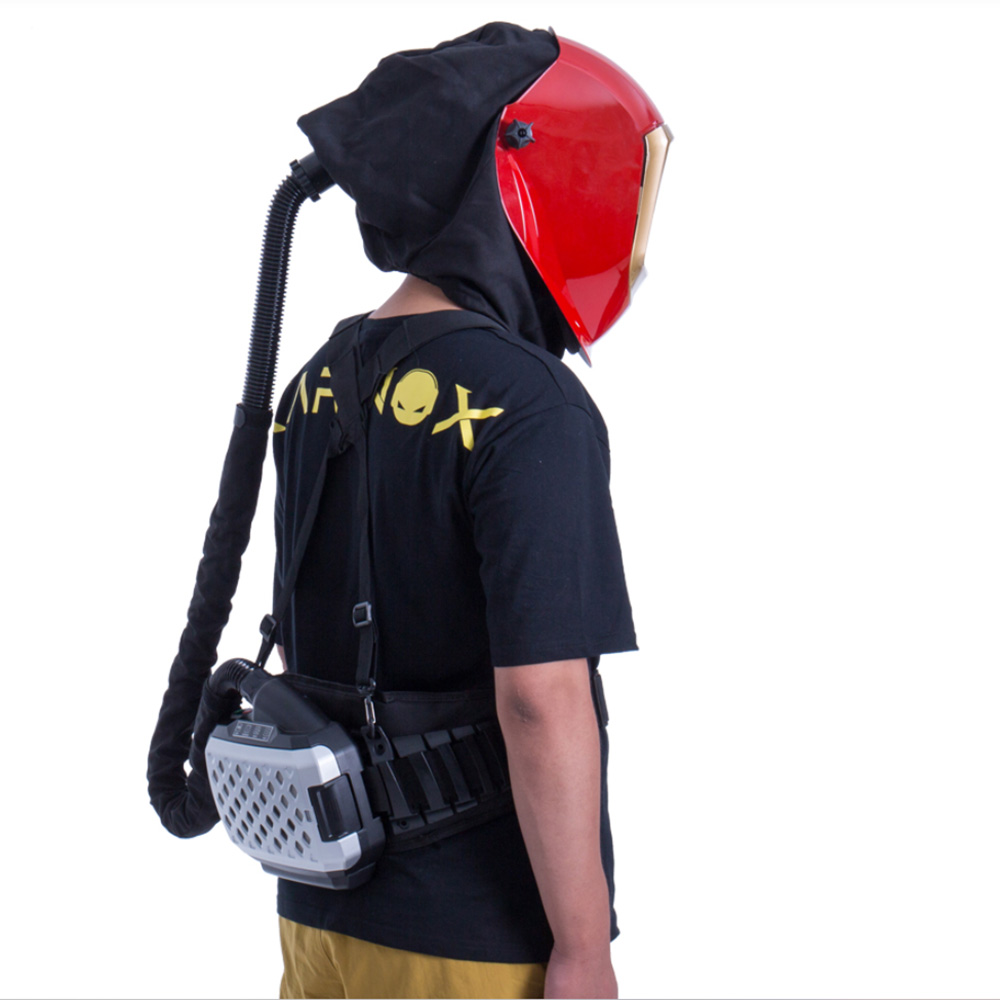
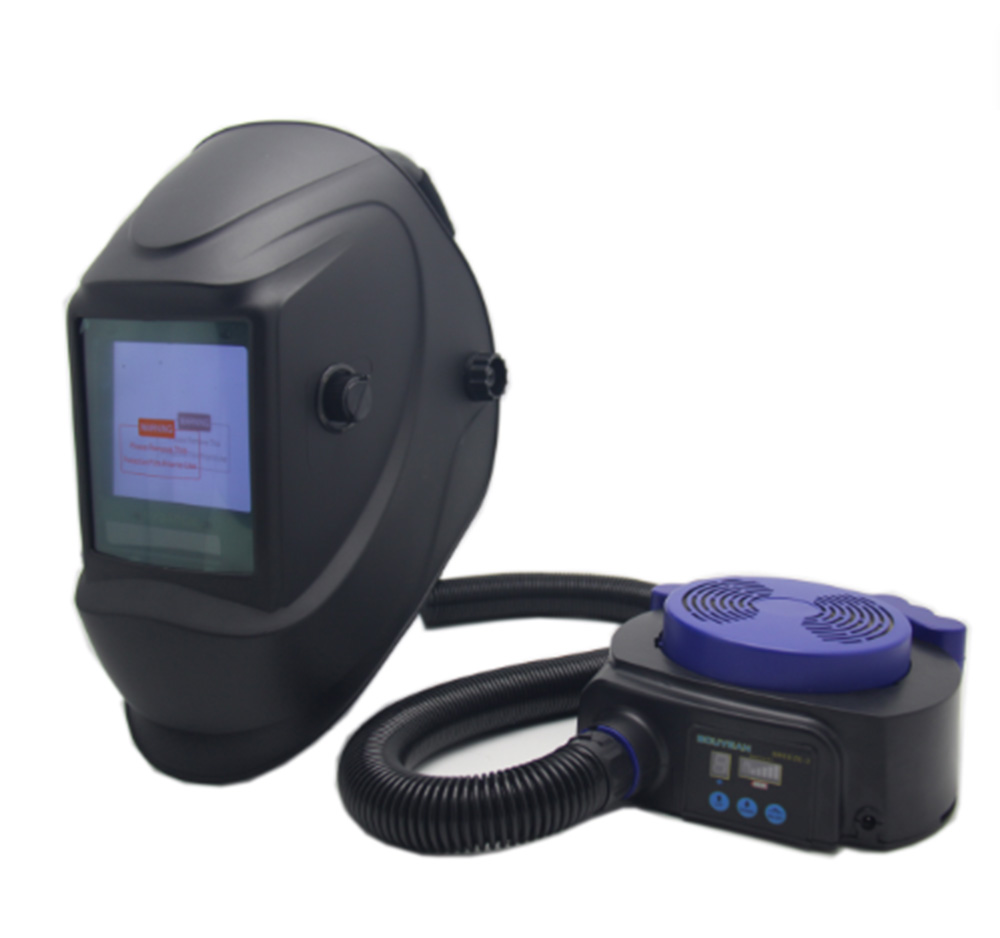
| Integrated welding helmet | Many PAPR systems combine respiratory protection with auto-darkening welding helmets – one unit, less hassle. |
✅ Junsee Group recommendation: Any welder working in confined spaces (tanks, vessels, ship compartments) or welding stainless steel/galvanized materials should be on PAPR – not a half mask.
Spray painting – particularly automotive and industrial painting – involves:
Isocyanates (extremely potent respiratory sensitizers – can cause occupational asthma after a single exposure)
Organic solvents (xylene, toluene, acetone – hazardous via inhalation and skin absorption)
Fine aerosol mists (liquid particles that are difficult to filter and easily bypass mask seals)
Long duration (painters often wear respiratory protection for 6-8 hours continuously)
| Problem | Explanation |
|---|---|
| Isocyanates are unforgiving | Even tiny leaks around the mask seal can expose the painter to isocyanates, leading to sensitization and permanent asthma. Half masks (APF 10) may not provide sufficient margin of safety. |
| Aerosols defeat mask seals | Liquid aerosols cause mask seals to slip more than dry dust does. The "wet" environment degrades seal integrity. |
| Long duration fatigue | Eight hours of breathing through filters is exhausting – compliance drops dramatically after the second hour. |
| Cannot be clean-shaven? | Many painters have stubble or beards. Traditional masks will not seal. |
| PAPR Advantage | How It Helps Painters |
|---|---|
| Positive pressure | Air flows out of any gaps – contaminants cannot leak in. This is critical for isocyanate protection. |
| Higher protection factor | APF 25-1000 provides a much larger safety margin for highly toxic materials. |
| No fit testing required | With loose-fitting PAPR hoods, there is no need for annual fit testing – a significant cost and time saving. |
| Cool, breathable environment | Painters work in spray booths that can become hot and stuffy. PAPR airflow keeps them comfortable. |
| Protects head, face, and neck | Many PAPR hoods also protect against paint overspray on skin and hair. |
✅ Junsee Group recommendation: For any spray painter using isocyanate-based paints (two-part urethanes, automotive clear coats), a PAPR with an approved organic vapor/particulate combination filter is strongly recommended – even required by some safety standards.
Healthcare workers performing aerosol-generating medical procedures (AGMPs) face:
Infectious aerosols (tuberculosis, COVID-19, influenza, RSV, measles)
High concentration (procedures like intubation, bronchoscopy, and dental drilling generate high-density aerosols)
Long shifts (healthcare workers often wear respiratory protection for 8-12 hours)
Comfort and communication challenges (traditional masks make communication difficult and cause facial skin breakdown)
| Problem | Explanation |
|---|---|
| N95 fit testing challenges | Up to 30% of healthcare workers cannot achieve a passing fit test with any available N95 model due to face shape diversity. |
| Facial hair | Many healthcare workers (and patients) have beards or stubble – N95s cannot seal. |
| Skin breakdown | Wearing tight-fitting N95s for 12-hour shifts causes pressure injuries, bruising, and acne – leading to non-compliance. |
| Communication barriers | N95s muffle speech. In critical care, clear communication saves lives. |
| Heat and moisture | N95s trap exhaled heat and humidity – uncomfortable for long shifts. |
| PAPR Advantage | How It Helps Healthcare |
|---|---|
| No fit testing required | Loose-fitting PAPR hoods work for virtually every face shape – eliminating the "can't pass fit test" problem. |
| Works with facial hair | Beards, stubble, and other facial hair do not affect protection. |
| Clear communication | The hood does not muffle speech – normal conversation is possible. |
| Cool and comfortable | Constant airflow reduces heat and moisture buildup – sustainable for 12-hour shifts. |
| Full head and neck protection | Protects against splash and spray to the head, hair, and neck – not just the nose and mouth. |
| Reusable components | PAPR hoods can be cleaned and reused (with proper protocols), reducing waste compared to disposable N95s. |
✅ Junsee Group recommendation: Hospitals and clinics should consider PAPR as a primary option for any healthcare worker performing AGMPs – especially those who cannot pass N95 fit testing or work extended shifts.
Workers in pharmaceutical and chemical manufacturing face:
Potent active pharmaceutical ingredients (APIs) – some are toxic at microgram levels (hormones, cytotoxics, antibiotics)
Chemical synthesis intermediates – hazardous organic solvents, acids, bases, and reactive compounds
Fine powder dust – APIs and excipients become airborne during weighing, blending, compression, and coating operations
Long duration – manufacturing shifts often run 8-12 hours in cleanrooms or chemical processing areas
| Problem | Explanation |
|---|---|
| Potent compounds require high protection | Some APIs have occupational exposure limits (OELs) below 1 µg/m³. A half mask (APF 10) provides insufficient margin of safety. |
| Powder dust clogs filters rapidly | Fine pharmaceutical powders can clog particulate filters in hours – increasing breathing resistance and causing early filter failure. |
| Cleanroom compatibility | Traditional masks shed fibers and may not be compatible with sterile cleanroom protocols. |
| Decontamination challenges | Reusable elastomeric masks are difficult to decontaminate between batches – cross-contamination risk. |
| Compliance with containment protocols | Many pharmaceutical processes require "closed system" or "containment" – PAPR with a hood or suit-integrated system may be the only compliant option. |
| PAPR Advantage | How It Helps Manufacturers |
|---|---|
| High protection factor | PAPRs can achieve APF 25 to 1000+ – necessary for low-OEL compounds. |
| Fan-assisted filtration | The fan maintains airflow even as filters load with powder – consistent protection throughout the shift. |
| Loose-fitting hood options | No seal required – reduces fit testing burden and works with diverse face shapes. |
| Integration with Tyvek suits | PAPR systems can be worn under or over full-body chemical suits – maintaining a positive pressure environment inside the suit. |
| Cleanroom-compatible designs | Some PAPRs are designed with smooth, cleanable surfaces and HEPA-rated exhaust – suitable for ISO cleanrooms. |
✅ Junsee Group recommendation: Any worker handling potent APIs (OEL < 10 µg/m³) or high-toxicity chemicals should be on PAPR – not a half mask. This includes weighing, blending, compression, coating, and sampling operations.
Emergency responders and hazmat workers face the most unpredictable and dangerous airborne hazards:
Unknown chemicals – leak from overturned trucks, derailed trains, damaged industrial equipment
Toxic industrial chemicals (TICs) – chlorine, ammonia, hydrogen sulfide, phosgene
Chemical warfare agents (CWAs) – in terrorist or military incidents
Fire smoke and combustion byproducts – hydrogen cyanide, carbon monoxide, acrolein, particulates
Oxygen-deficient atmospheres – confined spaces, chemical reactions consuming oxygen
Long duration incidents – responses can last hours to days
| Problem | Explanation |
|---|---|
| Unknown hazards require high protection | You cannot rely on a half mask (APF 10) when you do not know the concentration or toxicity of the hazard. |
| Cannot always change filters mid-incident | In a hot zone, you cannot stop to replace a clogged or saturated filter. PAPR batteries can be swapped, but continuous airflow extends filter life. |
| High work rate | Emergency work is physically demanding – fighting fires, carrying equipment, rescuing victims. Breathing resistance from traditional masks is dangerous. |
| Communication is critical | Team coordination is essential in emergency response. Traditional masks muffle speech. |
| Compatibility with other PPE | Half masks compete with hard hats, face shields, helmets, and communications gear. |
| Oxygen deficiency | PAPRs do not provide oxygen (they are air-purifying, not supplied-air). For oxygen deficiency, SCBA is required. But for many hazmat incidents with adequate O2, PAPR is the right choice. |
| PAPR Advantage | How It Helps Responders |
|---|---|
| High protection factor | APF 25-1000 provides a large safety margin for unknown hazards. |
| Zero breathing resistance | No fighting against filters – responders can work at full intensity without respiratory fatigue. |
| Clear communication | Loose-fitting PAPR hoods allow normal speech – critical for team coordination. |
| Comfort for long incidents | Airflow keeps responders cool during extended operations. |
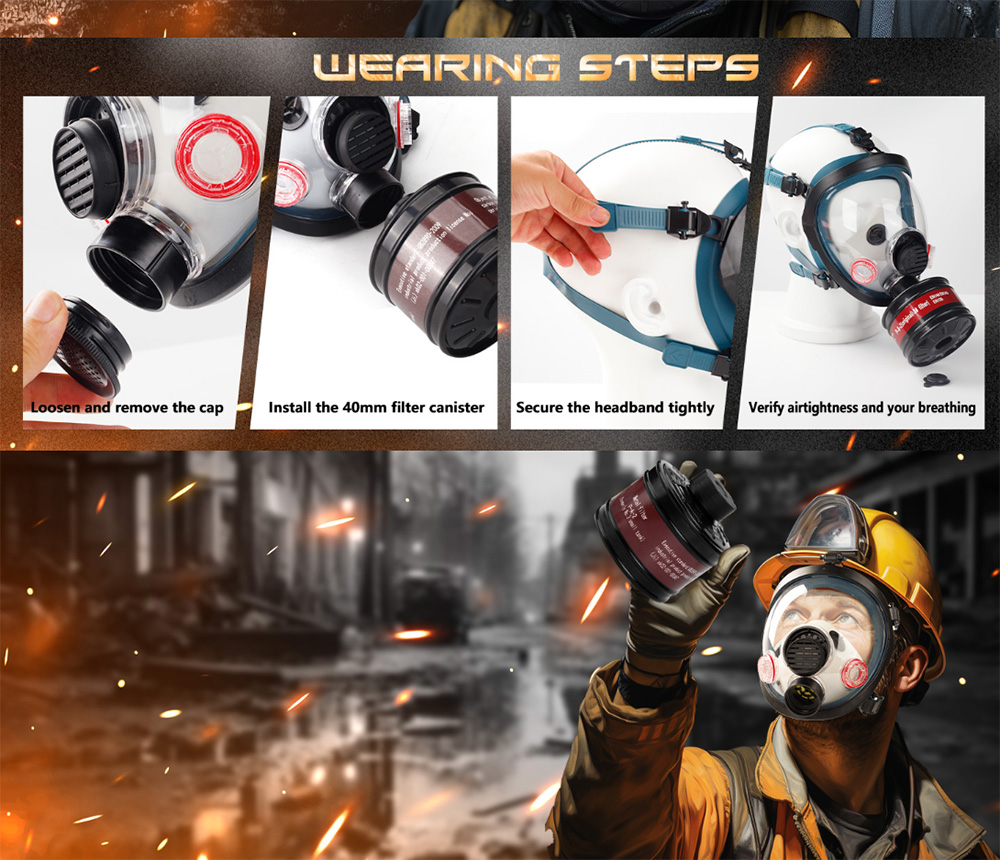
| Compatibility with helmets and comms | Many PAPR systems integrate with fire helmets, hard hats, and communication headsets. |
| Rapid donning | PAPR hoods can be deployed faster than SCBA for chemical hazards (where oxygen is not deficient). |
✅ Junsee Group recommendation: For hazmat teams, first responders, and industrial emergency brigades, PAPR should be part of the standard respiratory protection inventory – alongside SCBA for oxygen-deficient scenarios.
| Job | Primary Hazard | Why Traditional Masks Fail | Why PAPR Wins |
|---|---|---|---|
| Welder (confined space) | Metal fumes, gases, heat | Fatigue, heat stress, facial hair | Cool airflow, zero resistance, beard-friendly |
| Spray Painter (isocyanates) | Isocyanates, solvents, aerosols | Leak risk, low APF, long duration | Positive pressure, higher APF, comfortable |
| Healthcare (AGMPs) | Infectious aerosols | Fit test failures, skin breakdown, communication | No fit test, cool, clear speech |
| Pharma/Chemical | Potent APIs, fine dust, solvents | Low APF for low OELs, filter clogging | High APF, consistent airflow |
| Emergency/Hazmat | Unknown chemicals, high work rate | Low APF, breathing resistance, communication | High APF, zero resistance, clear speech |
Not every worker needs a PAPR. But for the five jobs above, a Powered Air Purifying Respirator is not a luxury – it is a necessary upgrade from traditional respiratory protection.
At Junsee Group, we help safety managers conduct hazard assessments and select the right PAPR system for:
✅ Welders in confined spaces
✅ Spray painters using isocyanates
✅ Healthcare workers performing AGMPs
✅ Pharmaceutical and chemical manufacturing staff
✅ Emergency responders and hazmat teams
We also provide training, filter selection guidance, battery management advice, and ongoing technical support.


Your email address will not be published. Required fields are marked