
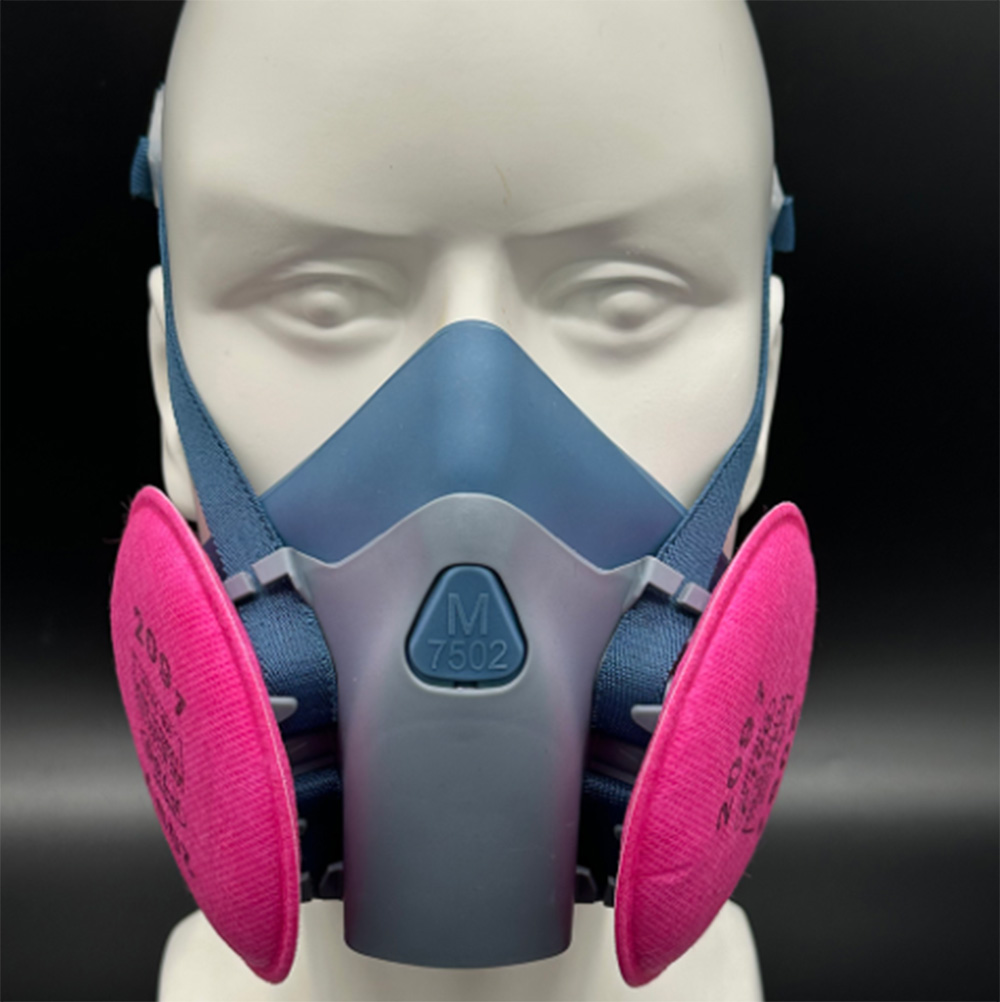
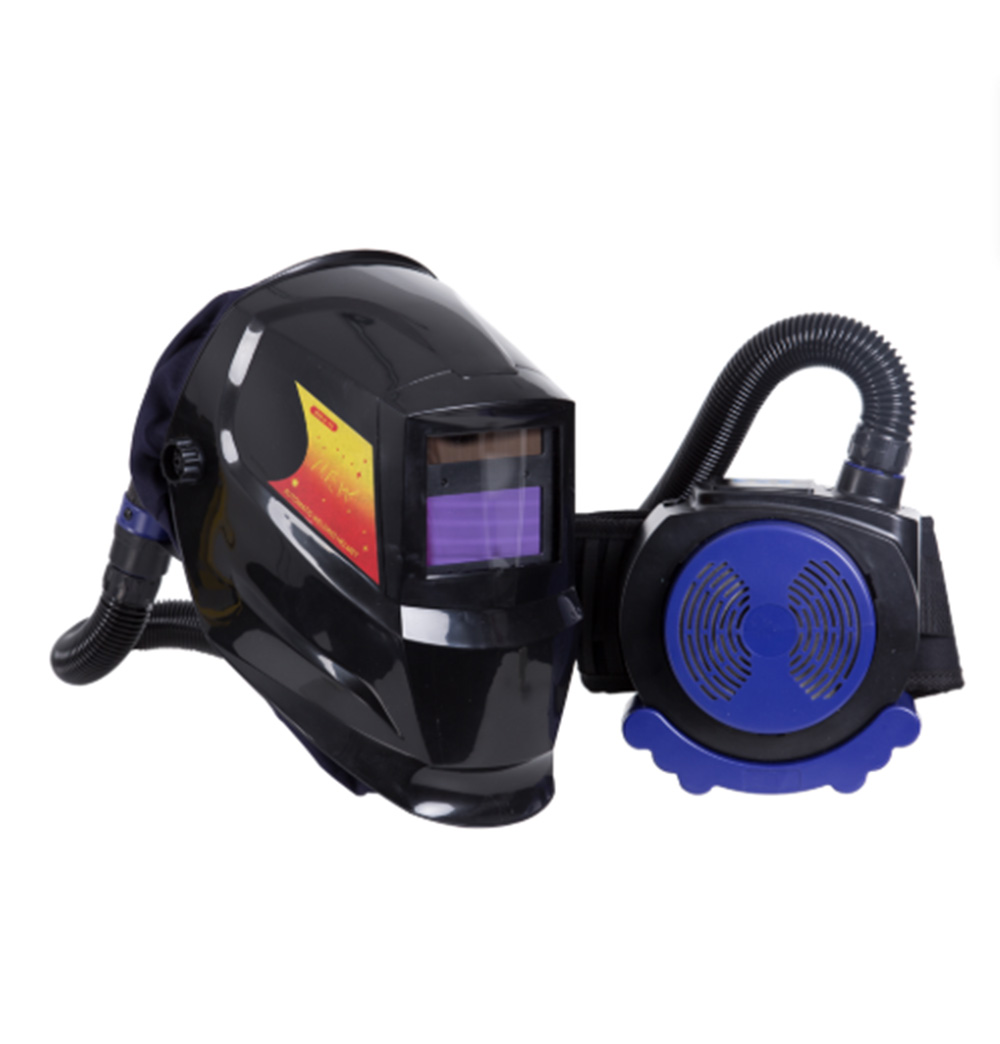
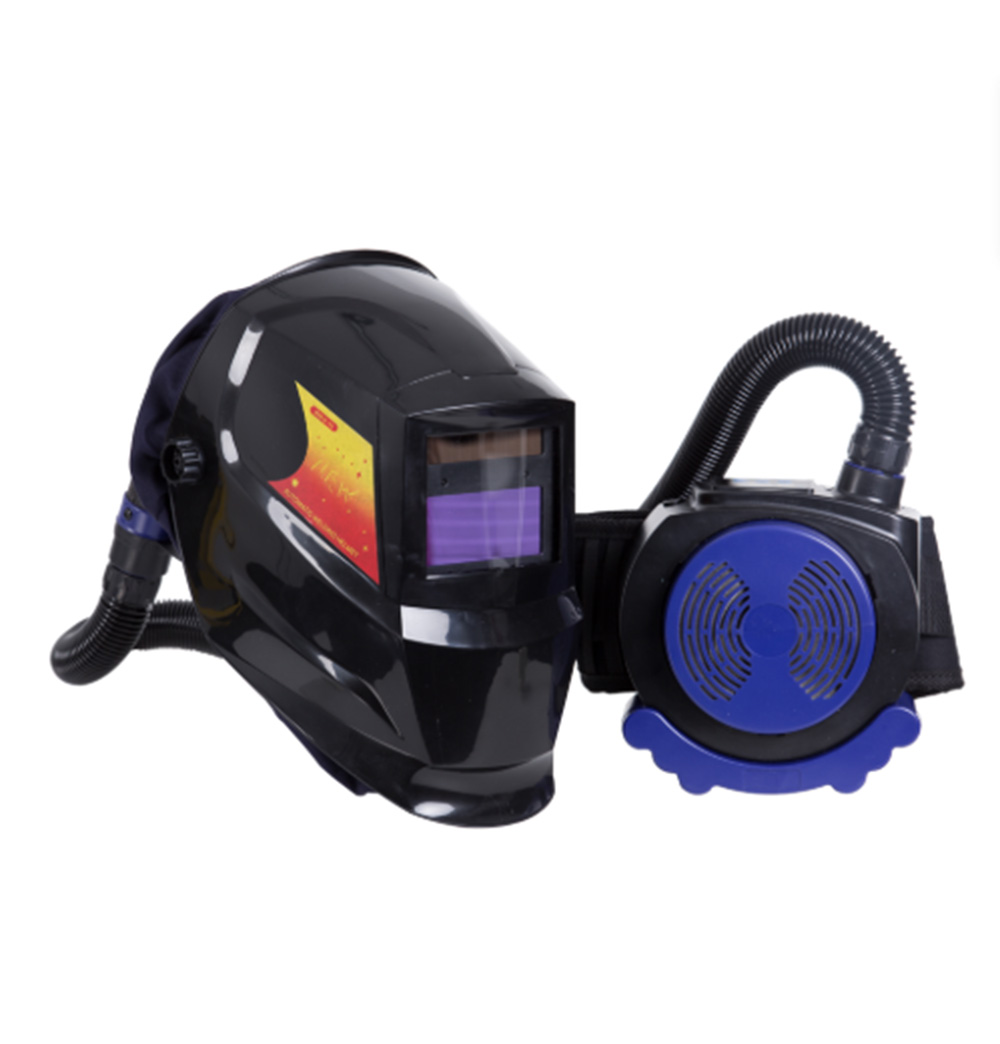
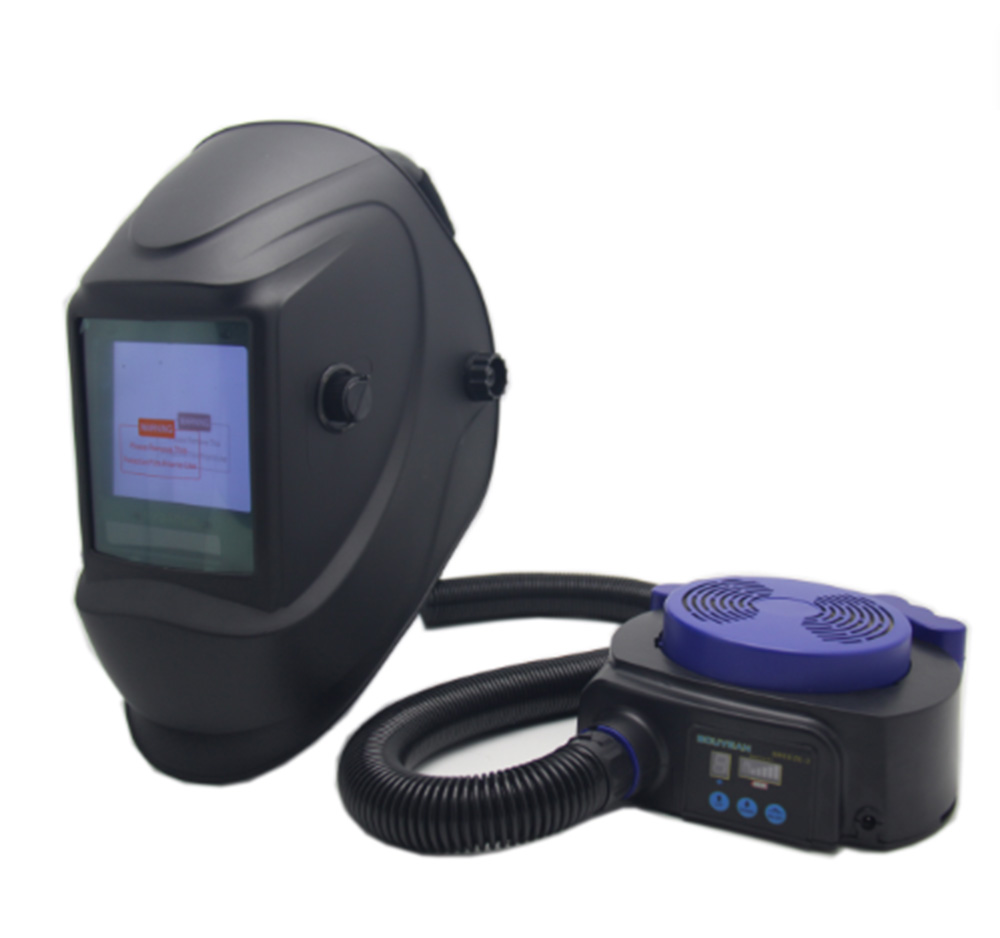
A Powered Air Purifying Respirator (PAPR) is a significant investment in worker safety. But like any precision equipment, it requires regular cleaning and maintenance to function properly.
Neglecting PAPR maintenance leads to:
Reduced airflow and protection
Premature component failure
Battery performance degradation
Cross-contamination between users
Costly replacements
At Junsee Group, we believe that proper maintenance is not optional—it is essential. This guide provides daily cleaning and maintenance steps to keep your PAPR systems operating safely and efficiently.
✅ Junsee Group recommendation: Before cleaning any PAPR, consult the manufacturer's user manual for model-specific instructions and approved cleaning agents.
The following agents have been tested for PAPR cleaning :
| Cleaning Agent | Type |
|---|---|
| Mild dishwashing liquid soap | General cleaning |
| 70% IPA (Isopropyl Alcohol) | Disinfection |
| 10% bleach solution (diluted) | Disinfection (with rinse) |
| Sani-cloth HB wipes | Disinfection |
| SaniWipes | Disinfection |
Note: Bleach-containing wipes should only be used when necessary (e.g., after exposure to infectious patients), as bleach may cause premature damage. If used, rinse with a water-moistened wipe afterward .
Before removing or cleaning any PAPR component:
Exit the contaminated work area while still wearing the PAPR
Move to a designated clean area (e.g., equipment decontamination zone)
⚠️ Critical: Never remove or clean PAPR components in an area where contaminants can contact or accumulate inside the equipment .
Wash hands thoroughly or use alcohol-based hand sanitizer
Don clean disposable gloves before handling used PAPR components
This prevents cross-contamination from your hands to the equipment
This is the component with the most direct contaminant exposure.
For hoods with visors: Clean the protective face shield with a soft cloth and approved cleaner. Do not use abrasive materials that could scratch the visor .
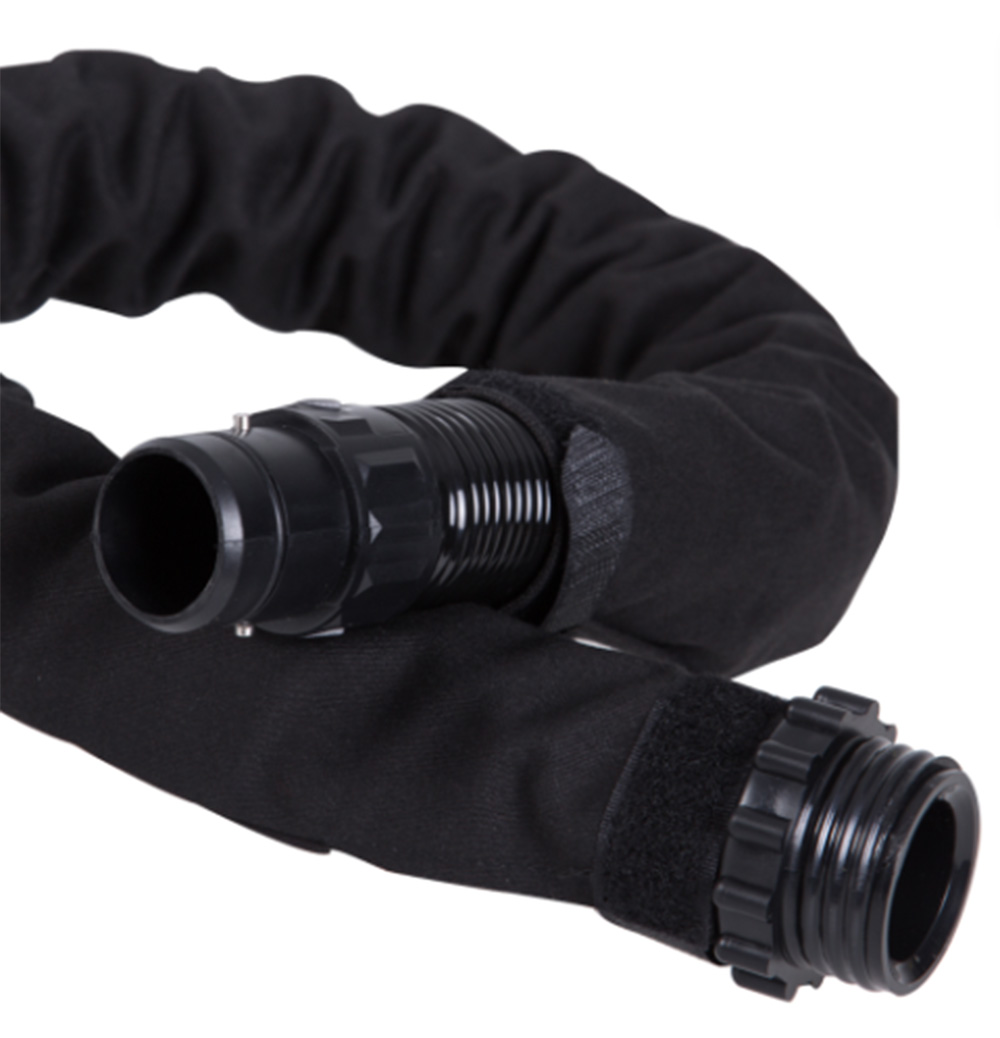
⚠️ Critical: If liquid enters the breathing tube, it must be thoroughly cleaned and dried before reuse. Contaminated air passages compromise respiratory protection .
✅ Important: Never submerge the blower unit in water or any cleaning fluid .
For healthcare settings: If bleach wipes are used on the battery pack or blower, rinse with a water-moistened wipe afterward to prevent premature damage .
| Sub-step | Action |
|---|---|
| 7.1 | Remove the belt/harness from the blower unit |
| 7.2 | Clean with mild soap solution and a soft-bristle brush if needed |
| 7.3 | Rinse with clean water |
| 7.4 | Air dry completely before reassembly |
✅ Never reassemble or store PAPR components while wet. Moisture promotes bacterial growth and can damage electrical components .
Replace any damaged or worn components immediately.
Filters are consumable items and must be replaced regularly .
Most PAPR systems include a flow check device or indicator:
Disconnect the breathing tube from the blower
Insert the flow meter into the blower outlet
Turn on the blower
If airflow is inadequate:
If still inadequate, check for battery charge and blower function
✅ Junsee Group recommendation: Perform a flow check before every use—not just after cleaning .
Proper storage extends PAPR component life and ensures readiness for the next use.
In healthcare settings, PAPRs may be exposed to infectious diseases. Additional precautions include :
Use hospital-approved disinfectant wipes (e.g., purple-top Sani Wipes)
Ensure components stay wet for the appropriate contact time listed on the disinfectant label
Bleach wipes should be used only when patients are on contact/isolation precautions
If bleach wipes are used, rinse with a water-moistened wipe afterward
Allow hood to air dry upright before storing in clean supply room
Immediately remove a PAPR from service and tag for repair if:
Proper PAPR cleaning and maintenance is not complicated—but it must be done consistently and correctly.
| Key Principle | Why It Matters |
|---|---|
| Clean after every use | Prevents cross-contamination and extends component life |
| Never submerge electrical components | Prevents costly damage and safety failures |
| Use approved cleaning agents only | Protects seals, plastics, and electrical parts |
| Replace filters on schedule | Ensures adequate airflow and protection |
| Store in clean, dry environment | Maintains equipment readiness |
| Inspect before every use | Catches problems before they become hazards |
At Junsee Group, we provide complete PAPR systems and ongoing support—including maintenance training, replacement filters, and technical assistance.
The bottom line: A clean PAPR is a working PAPR. A working PAPR is a life-saving PAPR. Take the few minutes required for proper cleaning and maintenance after each use—your workers' health depends on it.
Need replacement filters, batteries, or maintenance training for your PAPR program?
Contact Junsee Group today. We stock genuine parts and provide technical support to keep your PAPR systems operating safely—shift after shift.

Your email address will not be published. Required fields are marked