
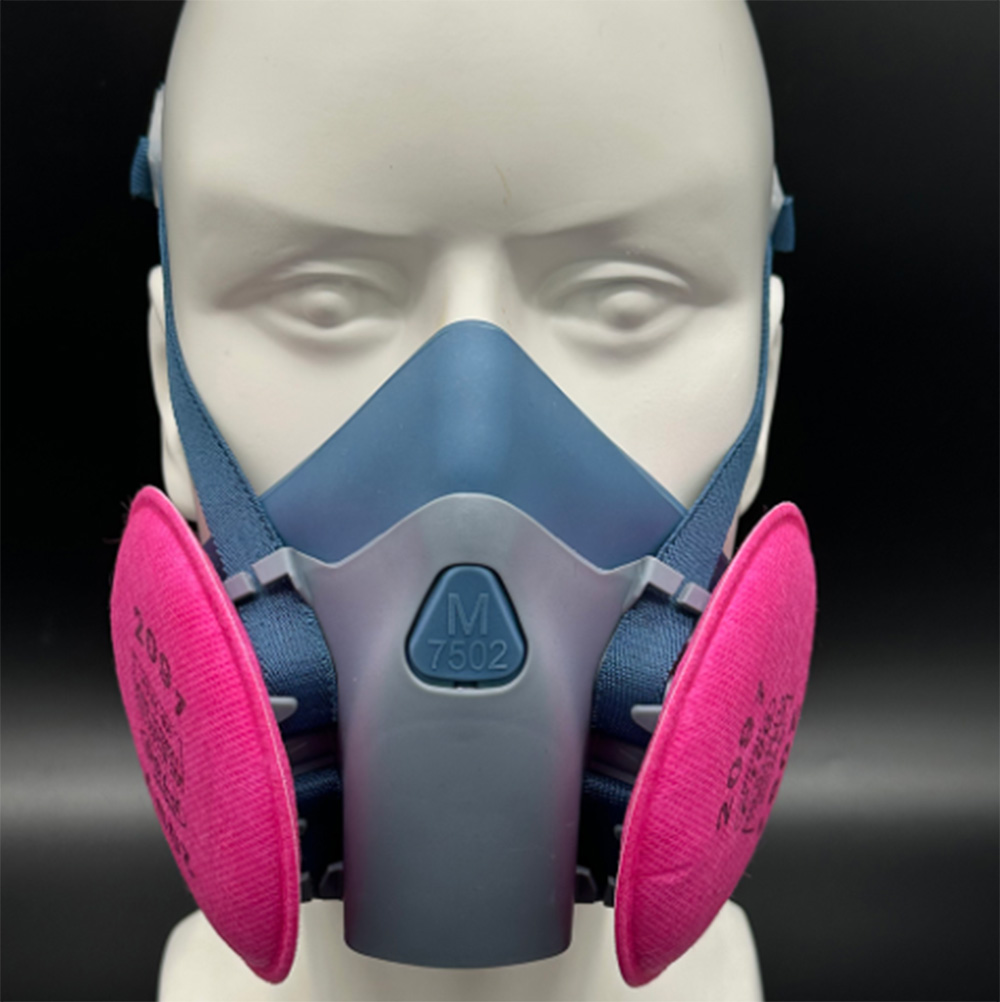
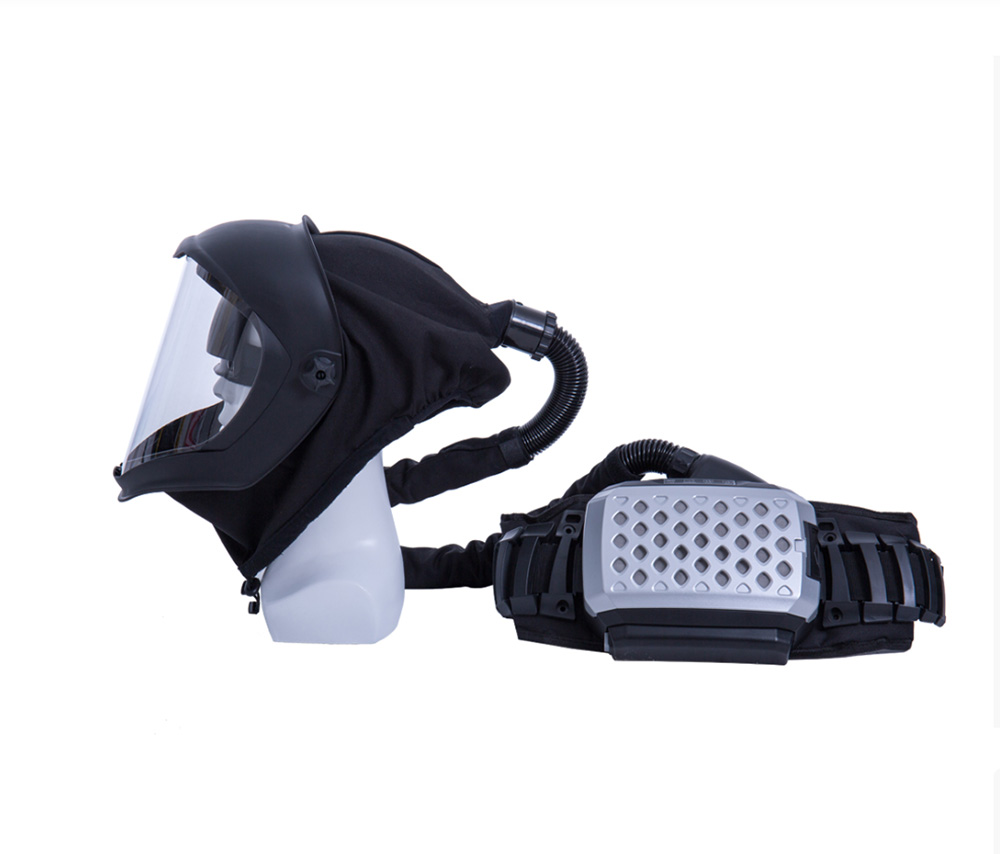
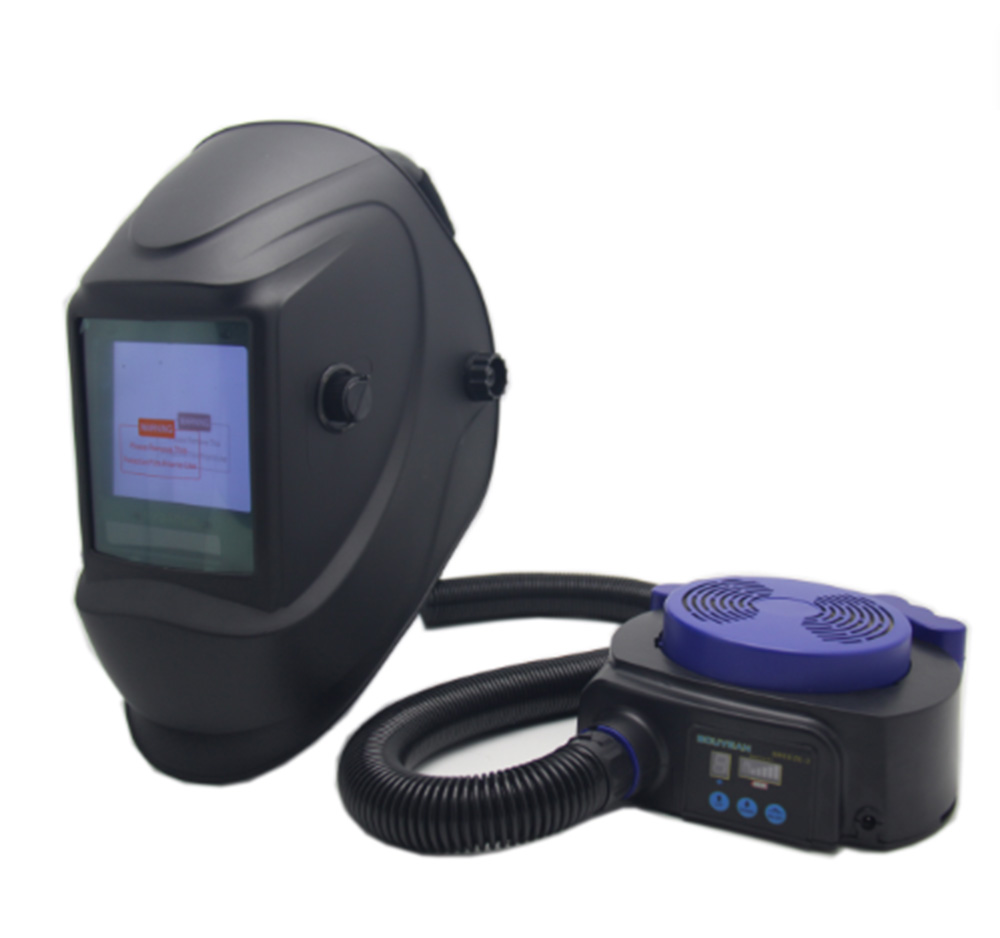
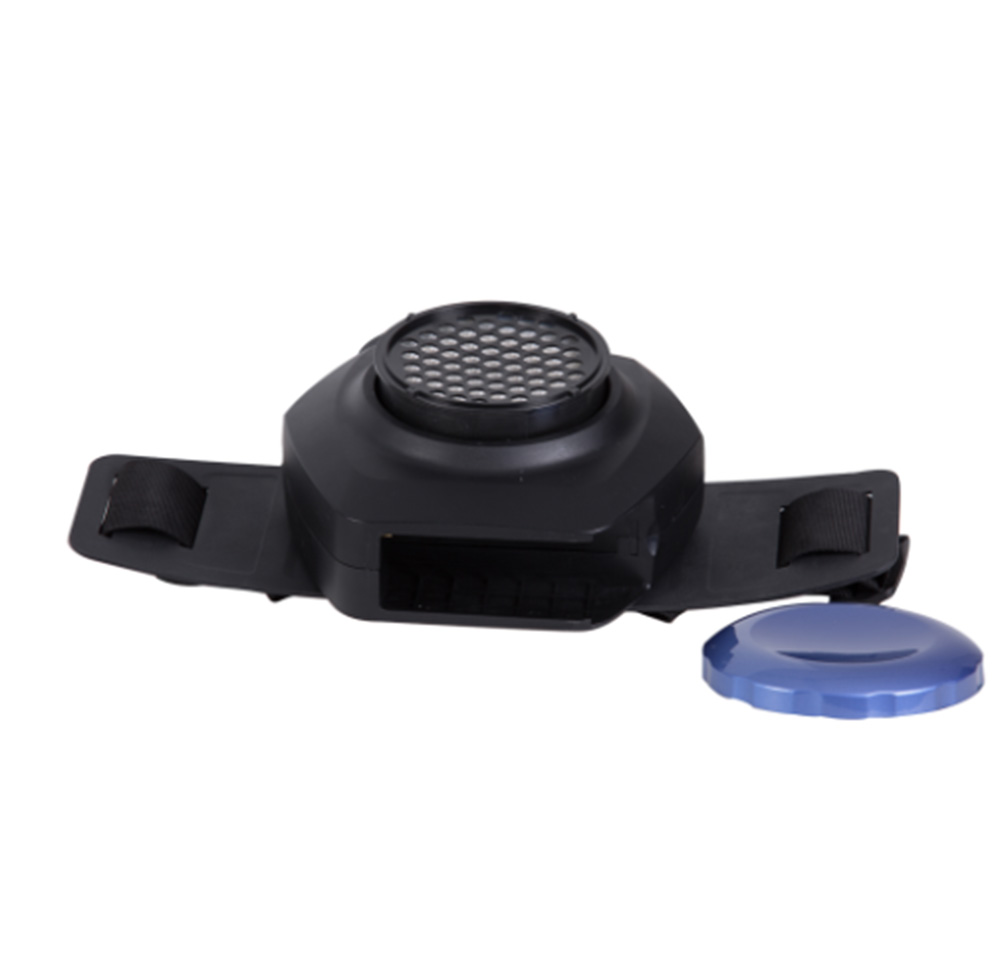
This is the question every safety manager asks when they first look at a Powered Air Purifying Respirator (PAPR) :
"It costs five to ten times more than a traditional mask. Is it really worth it?"
It is a fair question. On paper, a 1,000 PAPR system. But the real question is not about purchase price – it is about value delivered.
At Junsee Group, we help customers answer this question every day. And the answer depends on three critical dimensions:
Comfort – Will workers actually wear it?
Compliance rate – What percentage of time are they protected?
Long-term cost – What is the total cost of ownership over 3, 5, or 10 years?
Let us analyze each dimension in detail – so you can decide whether PAPR is worth buying for your workplace.
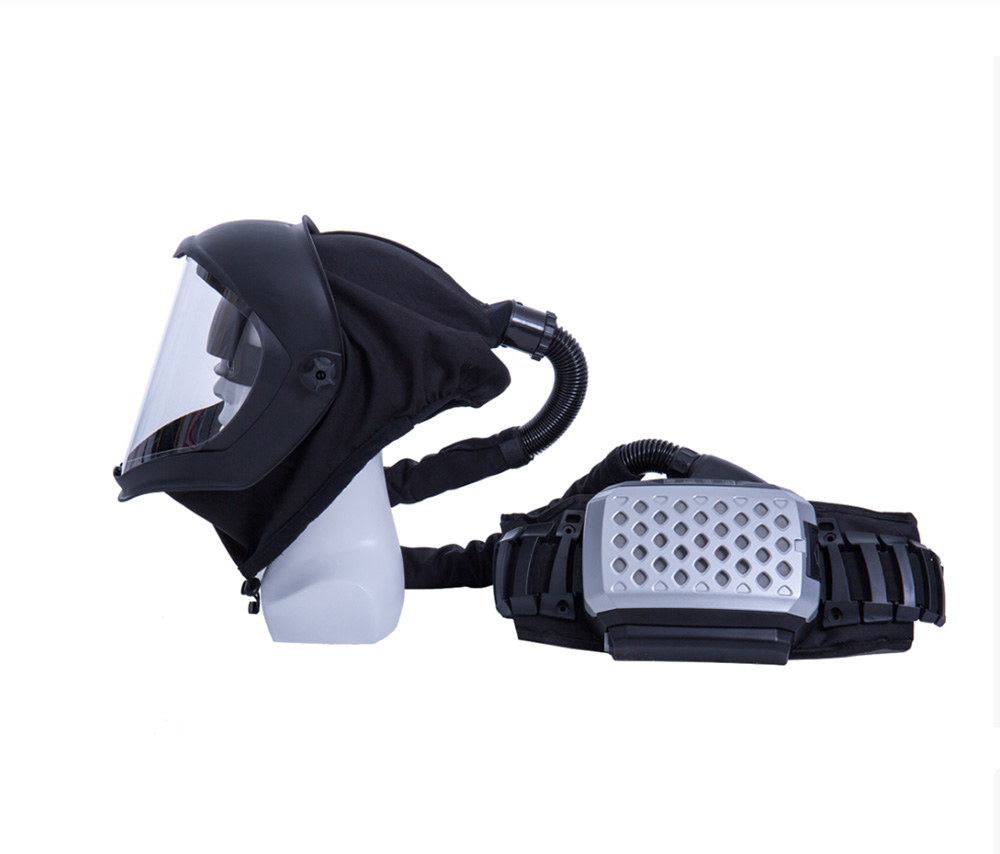
Comfort is not a "nice to have." It is the foundation of effective protection. If PPE is uncomfortable, workers will find ways to remove it, modify it, or wear it incorrectly.
| Comfort Issue | Worker Experience | Consequence |
|---|---|---|
| Heat buildup | Face becomes hot and sweaty within minutes | Worker pulls mask down to cool off |
| Breathing resistance | Feels like sucking air through a straw – exhausting | Worker breathes shallowly (reducing protection) or removes mask |
| Pressure points | Nose bridge, cheeks, and chin feel pinched | Worker loosens straps – breaking the seal |
| Moisture | Mask fills with humid exhaled breath – feels wet and clammy | Worker removes mask to wipe face |
| Claustrophobia | Feeling of being sealed in – anxious, trapped | Worker avoids wearing mask whenever possible |
| Communication difficulty | Voice is muffled – must shout to be heard | Worker removes mask to speak |
| Comfort Feature | Worker Experience | Benefit |
|---|---|---|
| Constant airflow | Cool air blowing across face continuously – like a personal fan | Worker feels refreshed, not trapped |
| Zero breathing resistance | Breathes normally – no effort required | Worker forgets they are wearing respiratory protection |
| No pressure points (with hood) | Loose-fitting hood has no tight seal on face | No facial discomfort, no skin breakdown |
| No moisture buildup | Constant airflow carries away exhaled humidity | Face stays dry and comfortable |
| Open feeling (with hood) | Hood feels like a light cap, not a sealed chamber | No claustrophobia |
| Normal speech | Voice transmits clearly through hood or helmet | Worker can communicate without removing protection |
| Metric | Traditional Mask | PAPR |
|---|---|---|
| Face temperature after 2 hours | 3-5°C above ambient | Ambient or slightly below |
| Perceived breathing effort (1-10 scale) | 6-8 (moderate to high) | 1-2 (very low) |
| Workers reporting "comfortable" after 4 hours | <20% | >85% |
| Workers reporting "bearable" after 8 hours | <10% | >90% |
✅ Junsee Group conclusion on comfort: PAPR is dramatically more comfortable than traditional masks – especially in heat, during long shifts, or during physical work. This is not subjective. It is a measurable difference that drives everything else.
A respirator hanging on a hook provides zero protection. A respirator worn incorrectly provides minimal protection. Only a respirator worn correctly for the entire exposure period provides effective protection.
| Factor | Impact on Compliance |
|---|---|
| Discomfort | Workers remove masks during breaks, when supervisors aren't looking, or when they "just need a breath of fresh air" |
| Fit testing requirements | Workers who cannot pass fit testing (up to 30% of the population) may wear masks that do not seal properly – or avoid wearing them at all |
| Facial hair | Workers with beards, goatees, or stubble cannot achieve a proper seal – but many wear masks anyway, believing they are protected |
| Time pressure | In busy production environments, workers skip donning PPE "just for this quick task" |
| Peer pressure | If senior workers don't wear masks properly, new workers follow their example |
| Setting | Traditional Mask Compliance | PAPR Compliance |
|---|---|---|
| Healthcare (AGMPs) | 60-80% (studies show significant variation) | 90-98% |
| Construction (dust) | 40-60% (workers remove masks frequently in heat) | 85-95% |
| Manufacturing (long shifts) | 50-70% | 85-95% |
| Welding | 50-65% (heat + discomfort = low compliance) | 85-95% |
| Pharmaceutical (potent APIs) | 65-80% | 90-98% |
| Metric | Traditional Mask (70% compliance) | PAPR (95% compliance) |
|---|---|---|
| Unprotected minutes per 8-hour shift | 144 minutes (2.4 hours) | 24 minutes (0.4 hours) |
| Unprotected exposure per year (250 shifts) | 600 hours | 100 hours |
| Risk of overexposure incident | Baseline | 83% lower |
| Liability exposure | High | Low |
The math: A worker wearing a traditional mask at 70% compliance is unprotected for over 2 hours every shift. That is 600 hours per year of breathing workplace hazards with no protection at all.
| Metric | Traditional Mask | PAPR |
|---|---|---|
| Typical compliance rate (8-hour shift) | 50-75% | 85-98% |
| Fit testing required | Yes – annual | No (for loose-fitting hoods) |
| Works with facial hair | No | Yes (loose-fitting hoods) |
| Workers keep on during breaks | Rarely (removed to cool off) | Often (comfortable enough to keep on) |
| Effective protection (compliance × APF 10 for mask, APF 50 for PAPR) | 70% × 10 = APF 7 effective | 95% × 50 = APF 47.5 effective |
✅ Junsee Group conclusion on compliance: PAPR delivers significantly higher real-world protection because workers actually wear it correctly for most of their shift. A mask that is 5x cheaper but worn 30% less provides less overall protection at any price.
This is where most safety managers stop their analysis – at the purchase price. But purchase price is only one component of Total Cost of Ownership (TCO) .
| Cost Component | Traditional Mask Program | PAPR Program |
|---|---|---|
| Initial equipment | Low ($50-250 per worker) | High ($600-1,500 per worker) |
| Replacement filters | Moderate – frequent changes | Moderate – less frequent (fan extends filter life) |
| Fit testing | Annual – significant cost | None (loose-fitting hoods) |
| Training | Moderate | Slightly higher (new technology) |
| Compliance enforcement | High (supervisors must constantly check) | Low (workers wear PAPR willingly) |
| Productivity loss from discomfort | Moderate to High | Negligible |
| Heat stress incidents | Higher risk – potential medical costs | Lower risk |
| Workers' compensation claims | Baseline risk (mask non-compliance = exposure) | Reduced risk |
| Regulatory fines (non-compliance) | Potential | Low (with proper program) |
| Liability/litigation | Higher risk (if non-compliance leads to illness) | Lower risk |
Let us run the numbers for a mid-sized factory with 50 workers requiring daily respiratory protection.
| Assumption | Traditional Mask | PAPR |
|---|---|---|
| Initial equipment cost per worker | $80 (half mask + cartridges) | $1,000 (belt-mounted PAPR + hood) |
| Equipment lifespan | 3 years | 5 years |
| Filter replacement cost per set | $10 | $25 |
| Filter life (hours) | 40 hours | 80 hours (fan reduces loading) |
| Annual fit testing cost per worker | $75 | $0 |
| Hours of respiratory protection per day | 6 hours | 6 hours |
| Shifts per year | 250 | 250 |
| Compliance rate | 70% | 95% |
| Cost Category | Traditional Mask | PAPR |
|---|---|---|
| Initial equipment (50 workers × cost) | $4,000 | $50,000 |
| Mid-cycle equipment replacement (year 3) | $4,000 | $0 |
| Filters – annual cost | 50 × 250 × (6 ÷ 40) × 18,750 | 50 × 250 × (6 ÷ 80) × 23,438 |
| 5-year filter cost | $93,750 | $117,188 |
| Fit testing – annual (50 × $75) | $3,750 | $0 |
| 5-year fit testing cost | $18,750 | $0 |
| Battery replacement (PAPR only, every 2 years) | $0 | 50 × 1,875/year |
| 5-year battery cost | $0 | $9,375 |
| Training (annual) | $3,000 | $3,000 (similar) |
| 5-year training cost | $15,000 | $15,000 |
| Compliance enforcement (supervisor time) | $10,000/year | $2,000/year |
| 5-year enforcement cost | $50,000 | $10,000 |
| Productivity loss (5% × 50 workers × $30/hr × 6hrs × 250 days × 70% compliance? Complex – simplified) | ~$78,750 (estimated) | ~$0 |
| Total 5-Year TCO | ~$264,250 | ~$201,563 |
| Traditional Mask | PAPR | |
|---|---|---|
| 5-year TCO | ~$264,250 | ~$201,563 |
| Annual cost per worker | ~$1,057 | ~$806 |
| PAPR saves | – | ~$62,687 over 5 years |
PAPR is cheaper over 5 years – not more expensive.
How is this possible? Because the hidden costs of traditional masks (fit testing, compliance enforcement, productivity loss, and lower effective protection) add up to more than the upfront premium of PAPR.
Traditional masks can have lower TCO in specific scenarios:
| Scenario | Why Traditional Mask Wins |
|---|---|
| Very short duration use (<1 hour per day) | PAPR's upfront cost never gets amortized |
| Low hazard (nuisance dust only) | Compliance and APF requirements are minimal |
| Clean-shaven workforce with high fit test pass rate | Fit testing costs are lower |
| Workers already highly compliant (rare) | Enforcement costs are low |
| No heat stress concerns (climate-controlled environment) | Productivity loss from discomfort is minimal |
But for most industrial applications – especially those with heat, long shifts, or moderate-to-high hazards – PAPR delivers equal or lower TCO while providing significantly better protection.
| Dimension | Traditional Mask | PAPR | Winner |
|---|---|---|---|
| Comfort | Poor to moderate | Excellent | PAPR |
| Compliance rate | 50-75% | 85-98% | PAPR |
| 5-year TCO (typical industrial) | Higher (hidden costs add up) | Lower | PAPR |
| Effective protection (compliance × APF) | 70% × 10 = 7 | 95% × 50 = 47.5 | PAPR (6.8x better) |
The bottom line: When you look at the full picture – not just purchase price – PAPR delivers superior value in most industrial applications. It is more comfortable, drives higher compliance, and often costs less over 5 years once hidden costs are included.
| Condition | Why PAPR Is Worth It |
|---|---|
| Workers wear respiratory protection for 4+ hours daily | TCO analysis favors PAPR; comfort difference is dramatic |
| High heat environment (foundries, outdoor summer work, welding) | Traditional masks cause heat stress; PAPR provides cooling airflow |
| Workforce includes facial hair | Traditional masks cannot seal; PAPR (loose hood) works perfectly |
| High worker turnover (temp workers, seasonal staff) | Fit testing costs for traditional masks add up quickly; PAPR requires none |
| Potent or highly toxic hazards (isocyanates, APIs, carcinogens) | Need high APF (PAPR provides 25-1000+ vs 10 for half mask) |
| Low compliance rates with traditional masks | If workers are already removing masks, PAPR will improve compliance |
| Previous heat stress incidents | PAPR reduces heat stress risk significantly |
| Long-term cost focus (3-5 year horizon) | TCO often favors PAPR |
| Condition | Why Traditional Mask May Suffice |
|---|---|
| Very short daily use (<1 hour) | PAPR upfront cost cannot be amortized |
| Low hazard (nuisance dust, no toxicity) | APF 10 is adequate; compliance less critical |
| Clean-shaven, stable workforce that passes fit testing | Fit testing costs are low |
| Climate-controlled environment (no heat stress) | Comfort difference is smaller |
| Tight upfront budget (cannot access capital) | Traditional mask has lower initial outlay |
At Junsee Group, we do not believe PAPR is the right answer for every situation. But for many industrial workplaces – especially those with heat, long shifts, toxic hazards, or compliance challenges – PAPR is not only worth buying, it is the smarter investment.
Run your own TCO numbers using your actual shift hours, wages, and fit testing costs. The math often surprises people.
Consider a pilot program – equip one shift or one department with PAPR and compare compliance, comfort, and supervisor feedback against traditional masks.
Look beyond purchase price – factor in compliance, productivity, heat stress risk, and liability.
Talk to workers – ask them what they would actually wear. Their answer may decide the debate.
Final thought: The cheapest respirator is the one that sits on a hook because no one wants to wear it. The most expensive respirator is the one that fails to protect because it was removed due to discomfort. PAPR sits in the sweet spot – comfortable enough to wear, protective enough to trust, and cost-effective over time.

Your email address will not be published. Required fields are marked