
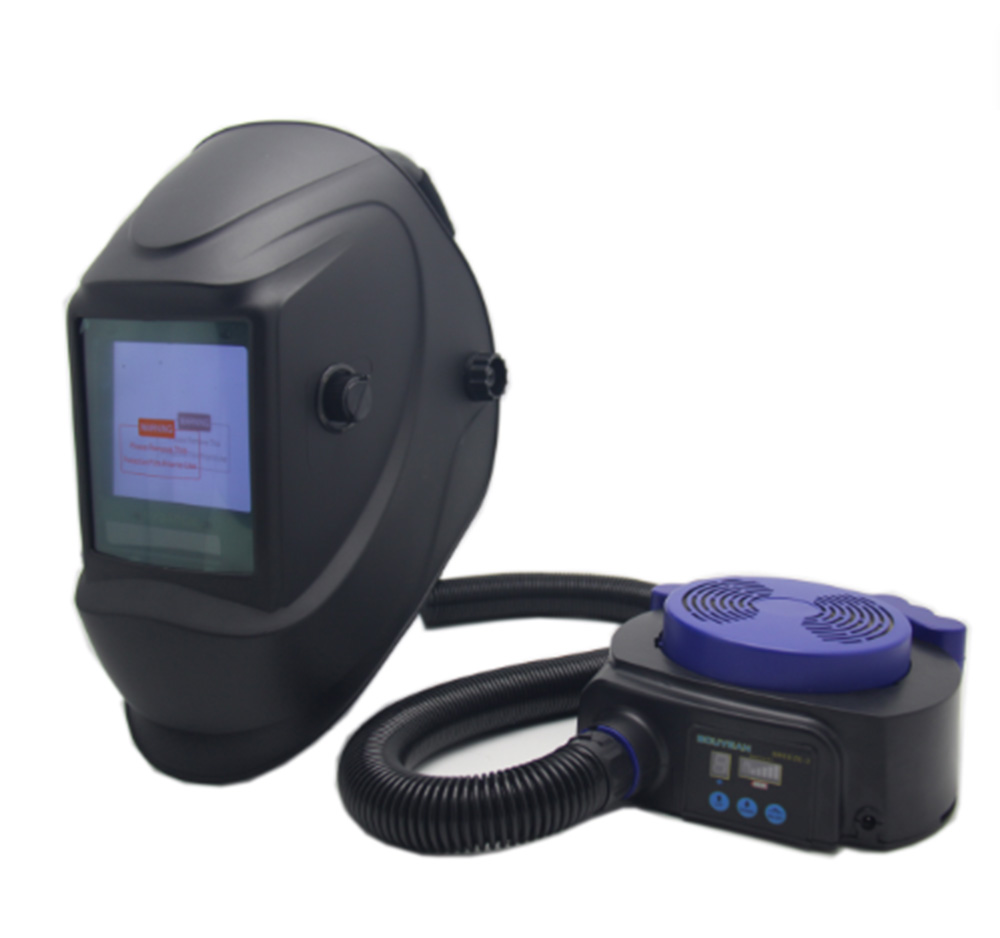
You have invested in a Powered Air Purifying Respirator (PAPR) system. The blower runs. The battery charges. The hood fits comfortably.
But none of that matters if you choose the wrong filter.
At Junsee Group, we see this mistake often. A factory buys an excellent PAPR system but uses particulate-only filters for a job that requires gas protection. Or they use combination filters for a dust-only application — paying for capability they do not need.
Choosing the correct PAPR filter is not complicated. You simply need to answer two questions:
What is the hazard? (Particulates? Gases? Both?)
What protection level do I need? (TH1, TH2, or TH3?)
This guide walks you through every filter type, color code, and application — so you can match the right filter to your specific workplace contaminants.
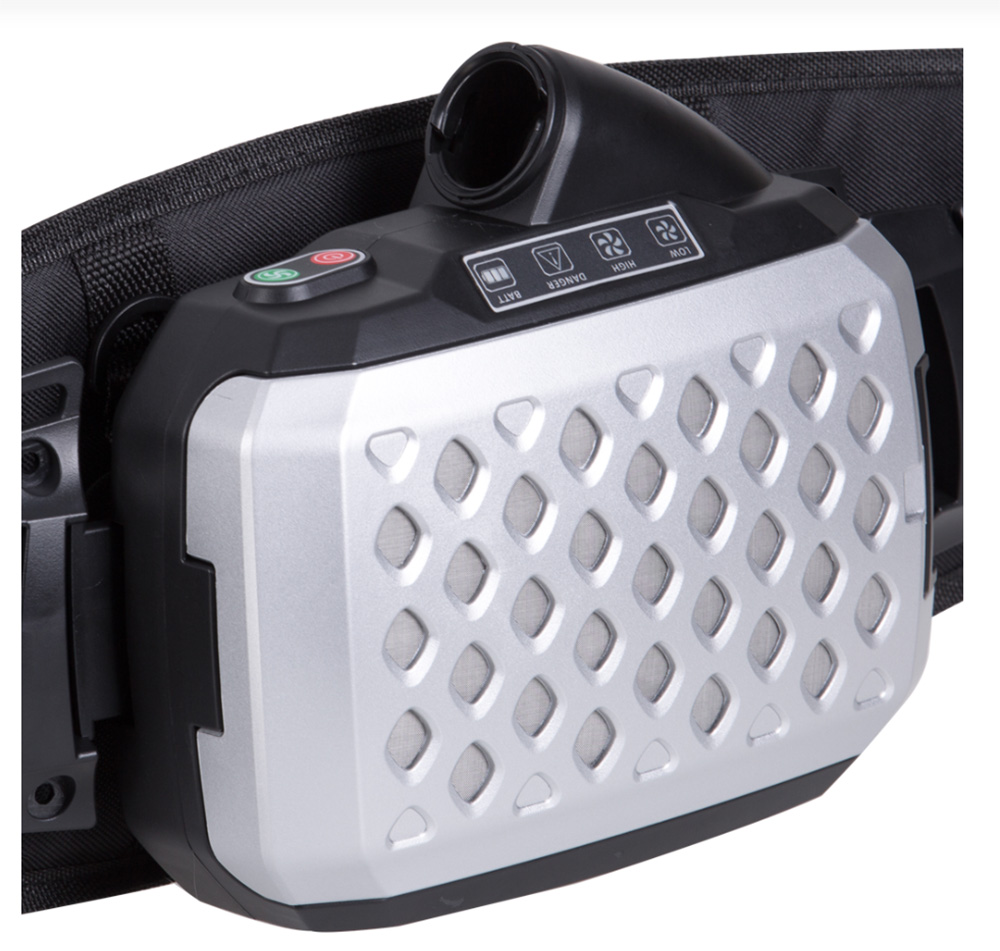
Before you select any filter, you must know what is in the air your workers breathe.
Particulates are solid or liquid particles suspended in the air. They include:
| Particulate Type | Examples | Industries |
|---|---|---|
| Dust | Wood dust, concrete dust, grain dust, coal dust | Construction, woodworking, agriculture, mining |
| Fumes | Welding fume, metal fume, soldering fume | Welding, metal fabrication, electronics |
| Mists | Paint mist, oil mist, pesticide mist | Spray painting, machining, agriculture |
| Fibers | Asbestos, fiberglass, carbon fiber | Demolition, insulation, composites |
| Bioaerosols | Mold spores, bacteria, viruses, pollen | Healthcare, remediation, food processing |
Key question: Is the contaminant a solid particle or liquid droplet that you can see (at high concentration) or feel on surfaces? If yes, you need a particulate filter .
Gases and vapors are molecular contaminants — too small to be captured by a particulate filter alone. They include:
Key question: Does the air smell like chemicals? Are workers reporting eye irritation, dizziness, or headache? If yes, you likely need a gas cartridge — not just a particulate filter.
Many workplaces have both particulates and gases. Examples include:
| Workplace | Particulate Hazard | Gas Hazard |
|---|---|---|
| Spray painting booth | Paint mist (particulate) | Organic solvent vapors |
| Welding galvanized steel | Metal fume (particulate) | Zinc oxide fumes + ozone |
| Wastewater treatment plant | Bioaerosols | Hydrogen sulfide, ammonia |
| Chemical manufacturing | Powdered chemicals | Solvent vapors |
Solution: Use a combination filter — typically a HEPA particulate filter layered with an activated carbon gas cartridge .
Once you confirm you need particulate protection, you must choose the correct efficiency level.
| Standard | Rating | Efficiency | Typical Color |
|---|---|---|---|
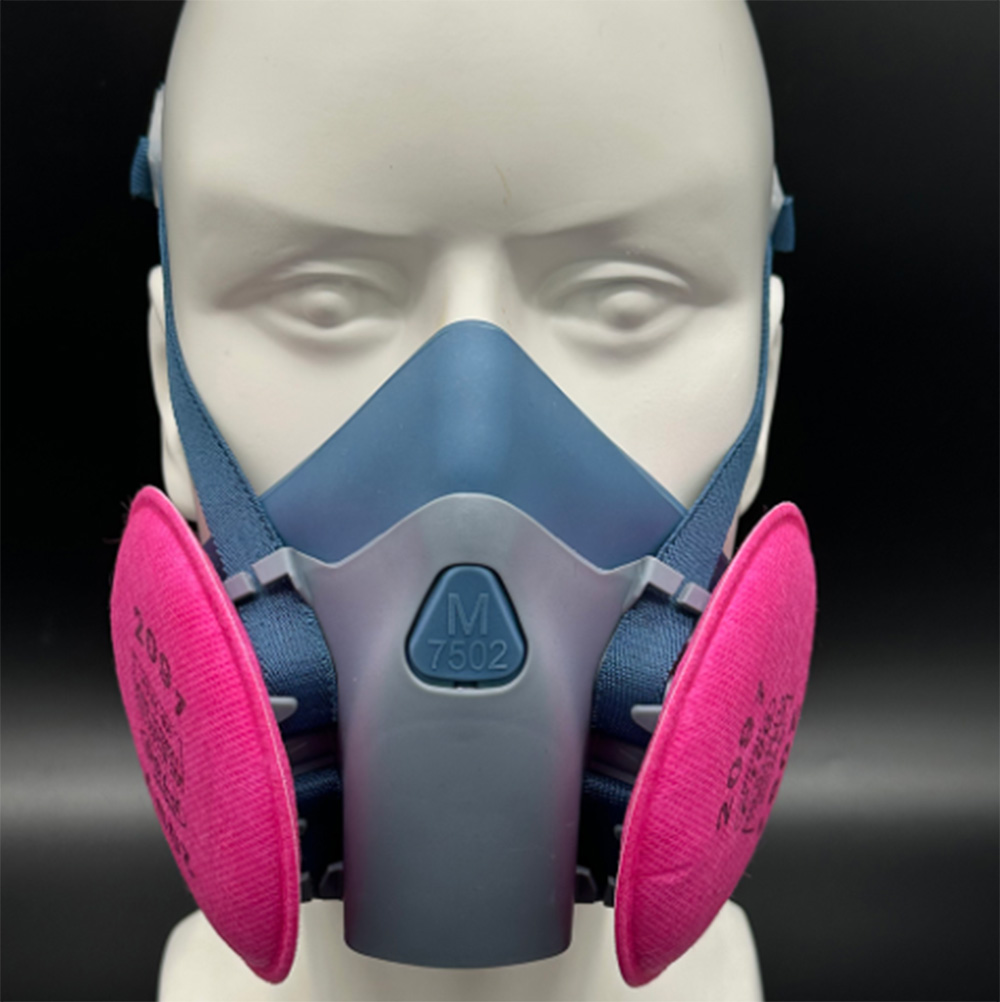
| NIOSH (US) | HEPA (High Efficiency Particulate Air) | 99.97% at 0.3 microns | Magenta / Purple |
| EN 12941 (Europe) | TH1 (Low) | 90% minimum | Varies by brand |
| EN 12941 (Europe) | TH2 (Medium) | 98% minimum | Varies by brand |
| EN 12941 (Europe) | TH3 (High) | 99.8% minimum | Varies by brand |
Key fact: For PAPR systems, NIOSH requires HEPA filters for particulate protection . These filters remove 99.97% of particles down to 0.3 microns — and are even more efficient for larger and smaller particles.
The European standard EN 12941 defines three protection classes for PAPR systems with hoods or helmets :
| Class | Minimum Efficiency | Best For |
|---|---|---|
| TH1 | 90% | Low-concentration dust, nuisance particulates |
| TH2 | 98% | General industrial dust, moderate particulate hazards |
| TH3 | 99.8% | High-concentration dust, toxic particulates, pharmaceutical powders |
Example: The Sealey PAPR system meets TH2 class according to EN 12941 — suitable for most general industrial dust applications .
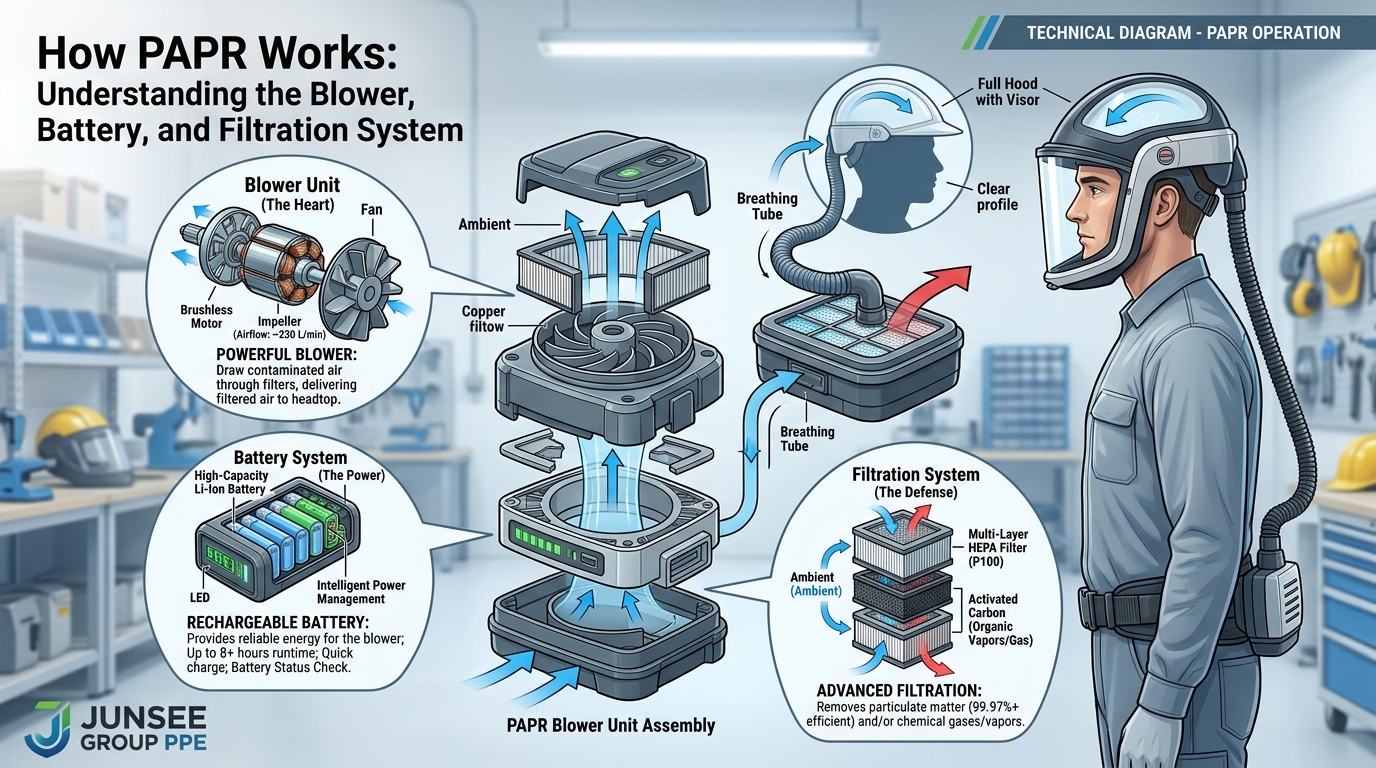
Many PAPR systems use a two-stage filtration approach:
| Filter Layer | Function | Replacement Frequency |
|---|---|---|
| Pre-filter (foam or coarse fiber) | Captures large particles (dust, lint, debris) | Daily or weekly — depends on loading |
| Main filter (HEPA or combination) | Captures fine particles and/or gases | Monthly or quarterly |
Junsee Group tip: Using a pre-filter extends the life of your expensive HEPA filter by 3-5x. Never run a PAPR without a pre-filter in dusty environments .
If your workplace contains gases or vapors, you need a gas cartridge — not just a particulate filter.
Some PAPR systems — particularly those designed for general dust or healthcare applications — ship with particulate-only filters.
✅ Example: The Sealey PAPR system includes a foam pre-filter and HEPA filter designed for dust and particles only — not vapors and gases .
✅ Example: The 3M Versaflo TR-600-HK Healthcare PAPR Kit includes a TR-6710N HE Particulate Filter. Gas and vapor protection can be provided with cartridges not part of this kit .
Junsee Group recommendation: If your workplace contains any gases or vapors, verify that your PAPR system accepts gas cartridges. Not all systems do.
For workplaces with both particulates and gases, you need a combination filter. These are typically labeled with both a particulate rating and a gas color code.
| Combination Filter | Particulate Rating | Gas Protection | Best For |
|---|---|---|---|
| HEPA + Organic Vapor | HEPA (99.97%) | Brown (A) — solvents, paints | Spray painting, solvent mixing |
| HEPA + Acid Gas | HEPA (99.97%) | Grey (B) — chlorine, SO₂ | Chemical plants, water treatment |
| HEPA + Multi-Gas (Olive) | HEPA (99.97%) | Olive — broad spectrum | Unknown or mixed hazards |
| TH2 P + A1 (EN) | TH2 particulate (98%) | Class 1 organic vapor | General industrial with solvents |
Beyond filter type, PAPR systems themselves are classified by protection level under EN 12941 .
| Condition | Minimum Class Required |
|---|---|
| Nuisance dust only (no toxicity) | TH1 |
| General industrial dust (moderate toxicity) | TH2 |
| High concentration dust | TH2 or TH3 |
| Toxic particulates (pharmaceuticals, lead, cadmium) | TH3 |
| Healthcare (infectious aerosols) | TH2 or TH3 |
| Unknown or variable hazards | TH3 (maximum protection) |
Example: The 3M Versaflo S-433L-5 hood system provides an APF of 1000 (TH3 equivalent) — reducing contaminant concentration inside the hood to 1/1000th of outside air .
Some industries require specialized PAPR filters designed for cleanroom or healthcare environments.
In pharmaceutical manufacturing and sterile processing, PAPR filters must :
Not shed fibers (low-linting construction)
Withstand harsh decontamination (IP67-rated blowers for submersion cleaning)
Trap sub-micron particles (HEPA or ULPA efficiency)
Example: The 3M Versaflo TR-600 for cleanrooms uses:
TR-6710N HE Filter (high efficiency particulate)
IP67-rated blower for full submersion decontamination
For healthcare workers performing aerosol-generating medical procedures (AGMPs) , PAPR filters must :
Meet NIOSH HEPA standards
Optionally include gas cartridges for chemical disinfection vapors (USP 800 compliance)
Be compatible with disposable hoods for single-use protocols
Example: The 3M Versaflo TR-600-HK Healthcare PAPR Kit includes a TR-6710N HE Particulate Filter — and can accept gas cartridges for USP 800 compliance when handling hazardous drugs .
Choosing the right filter is only half the battle. You must also know when to replace it.
| Indicator | Action |
|---|---|
| Increased breathing resistance (harder to pull air) | Replace immediately |
| Audible alarm on PAPR for low airflow | Replace filter |
| Visible dust loading on pre-filter | Change pre-filter; check main filter |
| 6-12 months of use (even if clean) | Replace (filters degrade over time) |
Junsee Group tip: In heavy dust environments, pre-filters may need daily replacement. Main HEPA filters typically last 3-6 months.
Gas cartridges are more difficult to know when to replace because:
You cannot see saturation
Carbon has a finite capacity for adsorbing gas molecules
Once saturated, gases pass through unchanged
| Indicator | Action |
|---|---|
| You smell or taste the contaminant inside the mask | Replace immediately — the carbon is saturated |
| End-of-service-life indicator (ESLI) on cartridge (if equipped) | Replace when indicator changes color |
| Time-based schedule from manufacturer | Replace on schedule (e.g., every 6 months regardless of use) |
| Cartridge has been opened and stored for >6 months | Replace (carbon absorbs ambient vapors) |
⚠️ Critical warning: Unlike particulate filters (which get harder to breathe through), gas cartridges provide no physical warning of saturation. You may be breathing contaminated air without knowing it. Always follow manufacturer replacement schedules .
Follow the most conservative rule for whichever component fails first. If the gas cartridge is saturated but the particulate filter is clean — replace the entire combination filter.
At Junsee Group, we help customers select the right PAPR filter for every application. Our process:
Identify the hazard — Particulates, gases, or both?
Measure concentration — Is TH1, TH2, or TH3 required?
Select filter type — HEPA, gas cartridge, or combination
Verify compatibility — Ensure filter fits your PAPR model
Set replacement schedule — Based on usage, environment, and manufacturer guidance
The bottom line: The best PAPR in the world provides zero protection with the wrong filter. Take the time to match your filter to your hazard — your workers' lungs depend on it.
Need help selecting the right PAPR filter for your workplace?
Contact Junsee Group today. We will help you identify your hazards, calculate required protection levels, and choose the correct filter — the first time.


Your email address will not be published. Required fields are marked