
Summer is coming. The temperature is rising. And for millions of workers who need respiratory protection, a familiar problem returns:
The mask is unbearable.
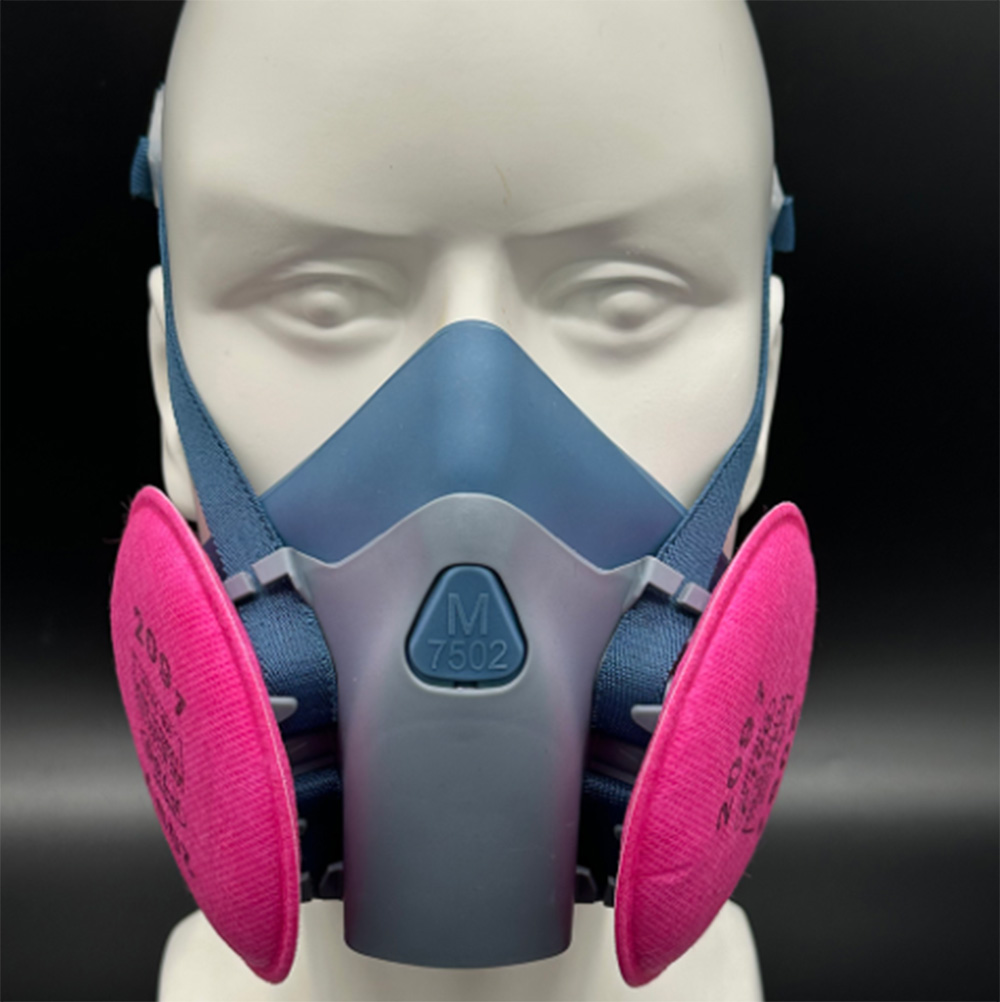
You know the feeling. Within minutes of putting on a traditional N95 or elastomeric mask, your face becomes a sauna. Sweat pools under the seal. Every breath feels like sucking hot, humid air through a wet sponge. Your goggles fog. Your patience evaporates.
And then – you do something dangerous. You pull the mask down. Just for a minute. Just to breathe.
At Junsee Group, we understand this problem because workers tell us about it every summer. The good news is there is a solution that eliminates the "hot and stuffy" problem entirely:
The Powered Air Purifying Respirator (PAPR).
Let us explain why traditional masks fail in heat – and how PAPR solves the high-temperature work breathing challenge.
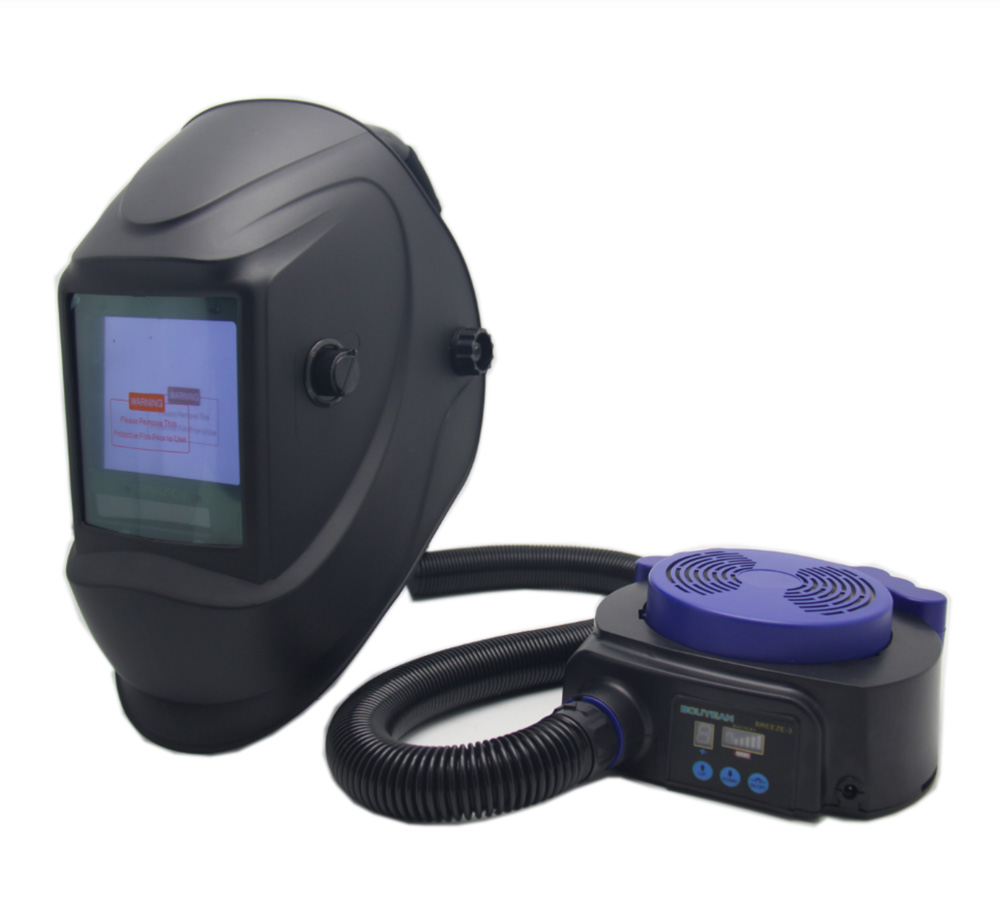
Traditional negative-pressure respirators (N95s, elastomeric half masks, full facepieces) have a fundamental design flaw when it comes to heat:
| Problem | What Happens | Why It Feels Terrible |
|---|---|---|
| Stagnant air | The mask traps exhaled air close to the face | No air movement means no evaporative cooling – your face heats up fast |
| Heat buildup | Your body radiates heat into the mask cavity | The mask becomes a heat trap, reaching temperatures several degrees above ambient |
| Moisture retention | Exhaled humidity has nowhere to go | Relative humidity inside the mask approaches 100% – like breathing in a steam room |
| Breathing resistance | You must pull air through filters | This work generates additional heat – your body works harder just to breathe |
| Poor heat transfer | Mask materials (silicone, rubber, plastic) do not dissipate heat well | Heat stays on your face, building throughout the shift |
| Time in Mask | Body Response | Worker Behavior |
|---|---|---|
| First 15 minutes | Mild discomfort, warm sensation | Mask stays on – tolerable |
| 30-60 minutes | Sweating under mask, fogging of glasses/goggles | Mask seal may be adjusted – breaking seal |
| 1-2 hours | Significant heat buildup, breathing feels labored | Worker pulls mask down "just for a minute" |
| 2-4 hours | Heat stress symptoms (fatigue, irritability, reduced concentration) | Mask is worn incorrectly or removed entirely |
| 4+ hours | High risk of heat-related illness – plus unprotected exposure to workplace hazards | Compliance drops below 50% |
The paradox: The PPE designed to protect workers from airborne hazards becomes so uncomfortable in heat that workers remove it – creating more risk, not less.
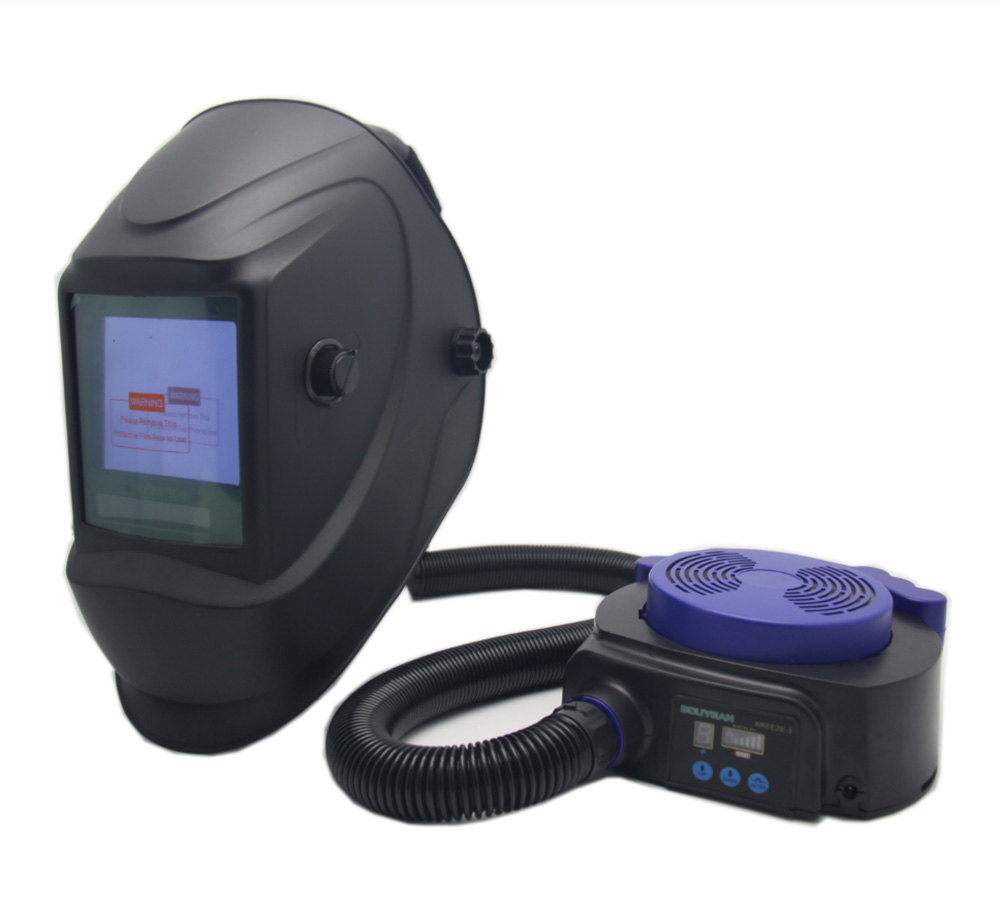
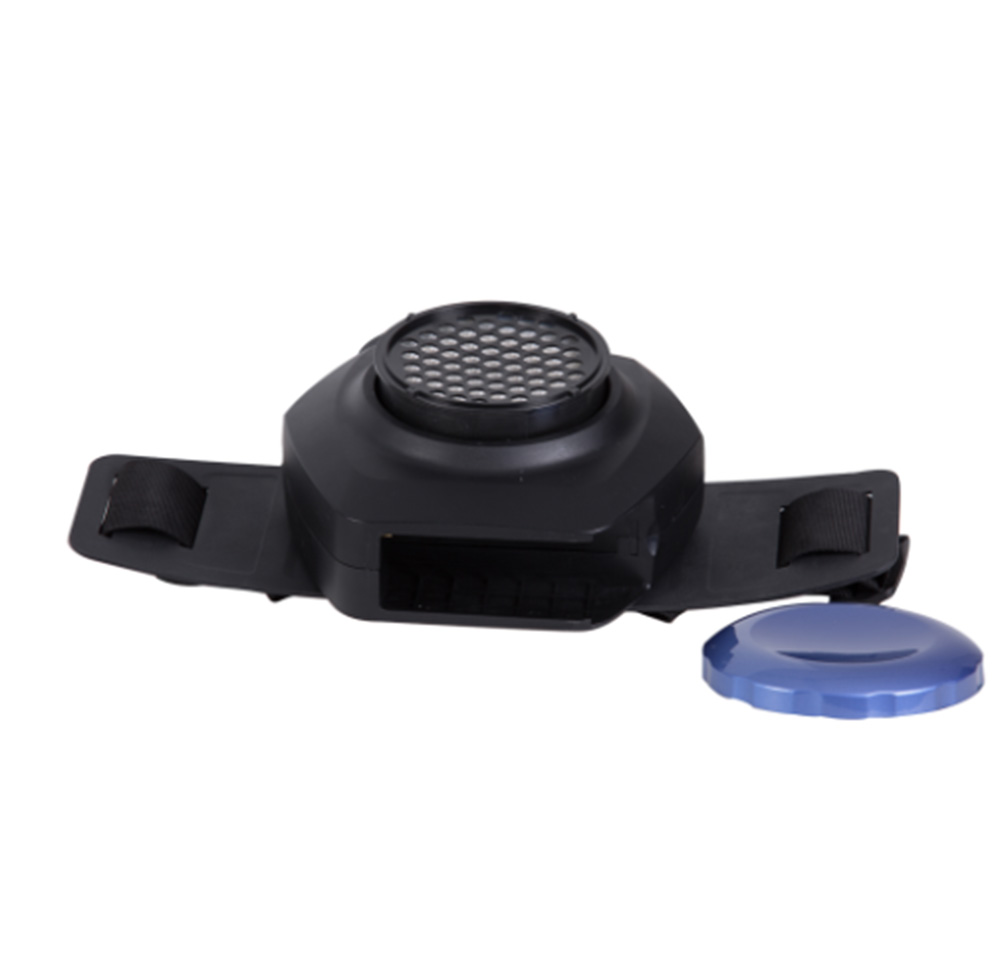
A Powered Air Purifying Respirator (PAPR) uses a battery-powered blower to pull air through filters and push a continuous stream of filtered air to the wearer's facepiece, hood, or helmet.
Unlike traditional masks where your lungs do all the work, a PAPR does the breathing for you – and delivers a constant flow of air across your face.
| Feature | Traditional Mask | PAPR |
|---|---|---|
| Airflow | Stop-and-go (you pull air only when inhaling) | Continuous (fan pushes air constantly) |
| Air movement across face | None – air is stagnant inside mask | Constant – air flows across face and exits |
| Heat buildup inside mask | High – trapped heat and moisture | Low – fresh air constantly enters and pushes out warm air |
| Breathing effort | High – you pull air through filters | Zero – fan does all the work |
| Comfort in heat | Poor to very poor | Excellent |
This is the most important benefit. A PAPR delivers 6-8 cubic feet per minute (170-220 liters per minute) of filtered air continuously – not just when you inhale.
| Effect | How It Works |
|---|---|
| Air moves across your face | The constant flow carries away heat and moisture |
| Evaporative cooling | Sweat on your face evaporates – cooling you like a built-in fan |
| No stagnant hot air | Warm, humid exhaled air is pushed out, replaced by fresh, cooler air |
| Face temperature reduction | Users report feeling 5-10°C (10-18°F) cooler than with traditional masks |
✅ User quote (welder, summer shift): "With a regular mask, I felt like I was suffocating in 10 minutes. With PAPR, I forget I'm wearing respiratory protection – it's like having a fan on my face all day."
Traditional masks create negative pressure – your lungs must work against the filter. In hot conditions, with higher breathing rates from heat stress, this resistance becomes exhausting.
| Work Intensity | Traditional Mask Breathing Effort | PAPR Breathing Effort |
|---|---|---|
| Resting | Low | None |
| Light work | Moderate | None |
| Moderate work | High | None |
| Heavy work | Very high (can limit work capacity) | None |
The physiological fact: The energy your body spends fighting to breathe through a traditional mask is energy not available for work and for cooling. PAPR eliminates this energy drain entirely.
PAPR systems offer headpiece designs that are far more comfortable in heat than traditional masks.
| Headpiece Type | Heat Comfort Level | Best For |
|---|---|---|
| Loose-fitting hood | Excellent – lightweight fabric, air flows freely around entire head and neck | General hot work, pharma, healthcare |
| Full facepiece (tight-fitting) | Good – less airflow than hood, but still positive pressure reduces heat buildup | Chemical splash risk, higher protection factor needed |
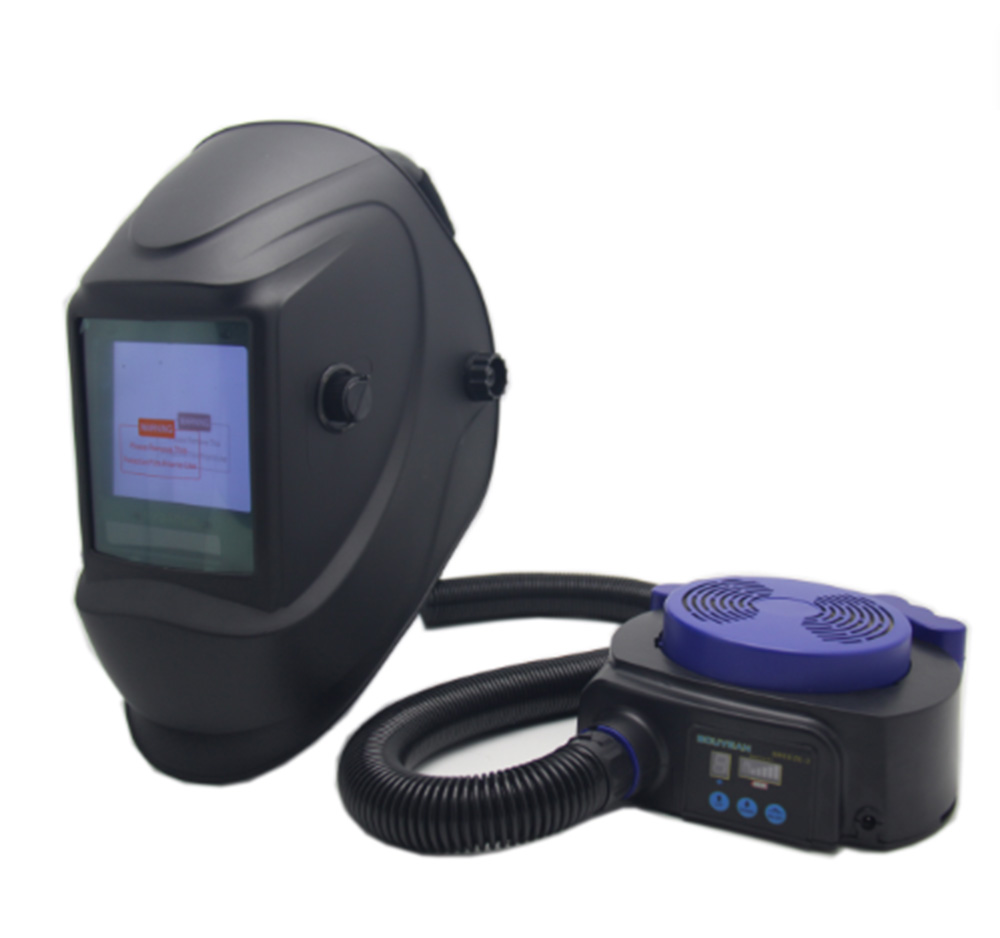
| Welding helmet (integrated PAPR) | Very good – better than traditional mask alone, though helmet adds some heat | Welders in hot environments |
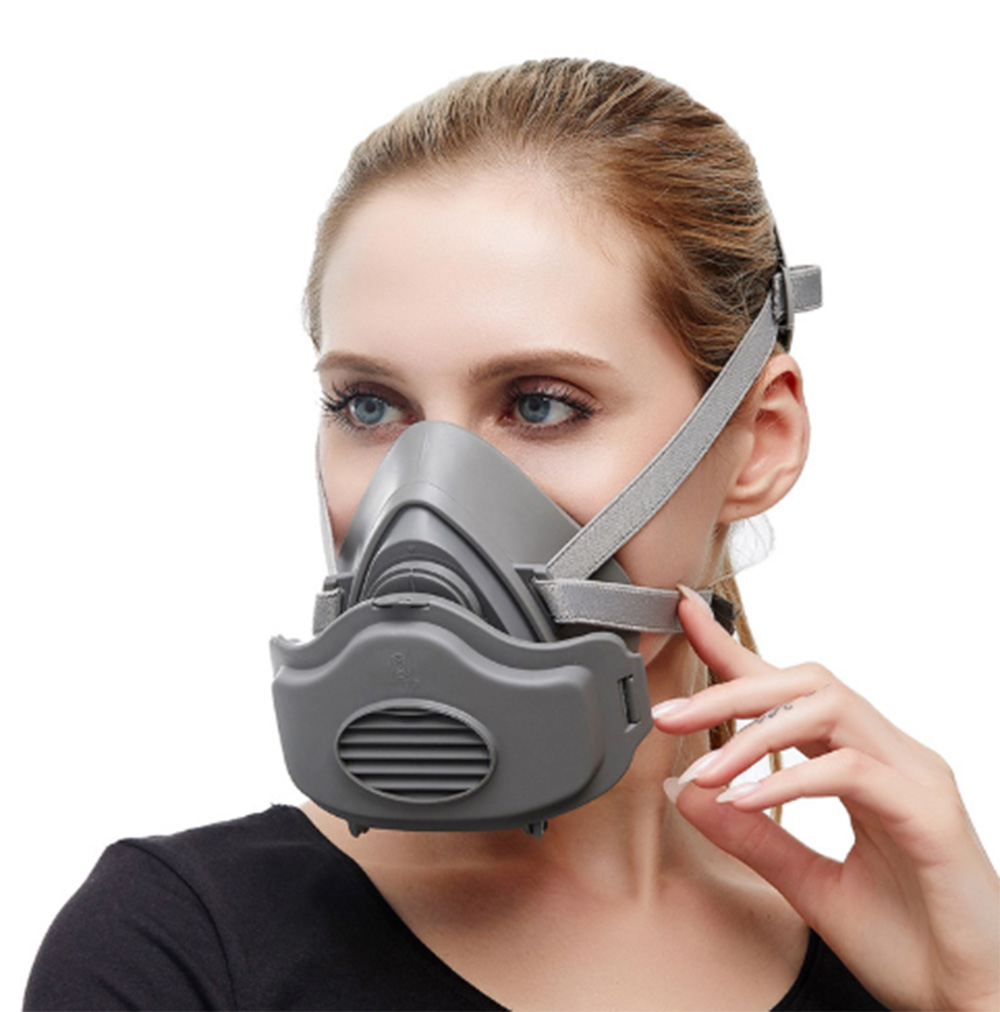
| Half mask (tight-fitting) | Good – lighter than full face, but less cooling airflow than hood | When a hood is impractical |
✅ Junsee Group recommendation: For maximum heat relief in summer, choose a loose-fitting PAPR hood. The continuous airflow around your entire head, neck, and face provides the best cooling effect.
Many workers describe the feeling of a tight-fitting mask in summer as claustrophobic – hot, confined, suffocating. This psychological stress adds to physical heat stress.
PAPR eliminates this feeling because:
No tight seal pressing on your face (with loose-fitting hoods)
Constant airflow creates a sense of openness
You can breathe normally without resistance
The hood feels more like a light cap than a sealed chamber
| Traditional N95 Mask | PAPR with Loose-Fitting Hood | |
|---|---|---|
| After 15 minutes | Face sweating, mask feels warm, breathing slightly labored | Cool air blowing across face – comfortable |
| After 1 hour | Mask is wet with sweat, seal compromised, worker adjusts constantly | Still comfortable – air continues to flow |
| After 2 hours | Worker pulls mask down "for a few minutes" | Worker forgets they are wearing respiratory protection |
| After 4 hours | Worker has removed mask 3-4 times – cumulative unprotected exposure time: 30-60 minutes | Worker has kept hood on entire shift – zero unprotected exposure |
| End of shift | Worker is fatigued, irritable, heat-stressed | Worker is tired from work – not from fighting to breathe |
The outcome: The worker with the traditional mask received significantly less protection and experienced higher heat stress. The PAPR worker was protected 100% of the time and completed the shift with less fatigue.
| Question | Answer |
|---|---|
| Does the blower generate heat? | Yes – the motor produces some waste heat. |
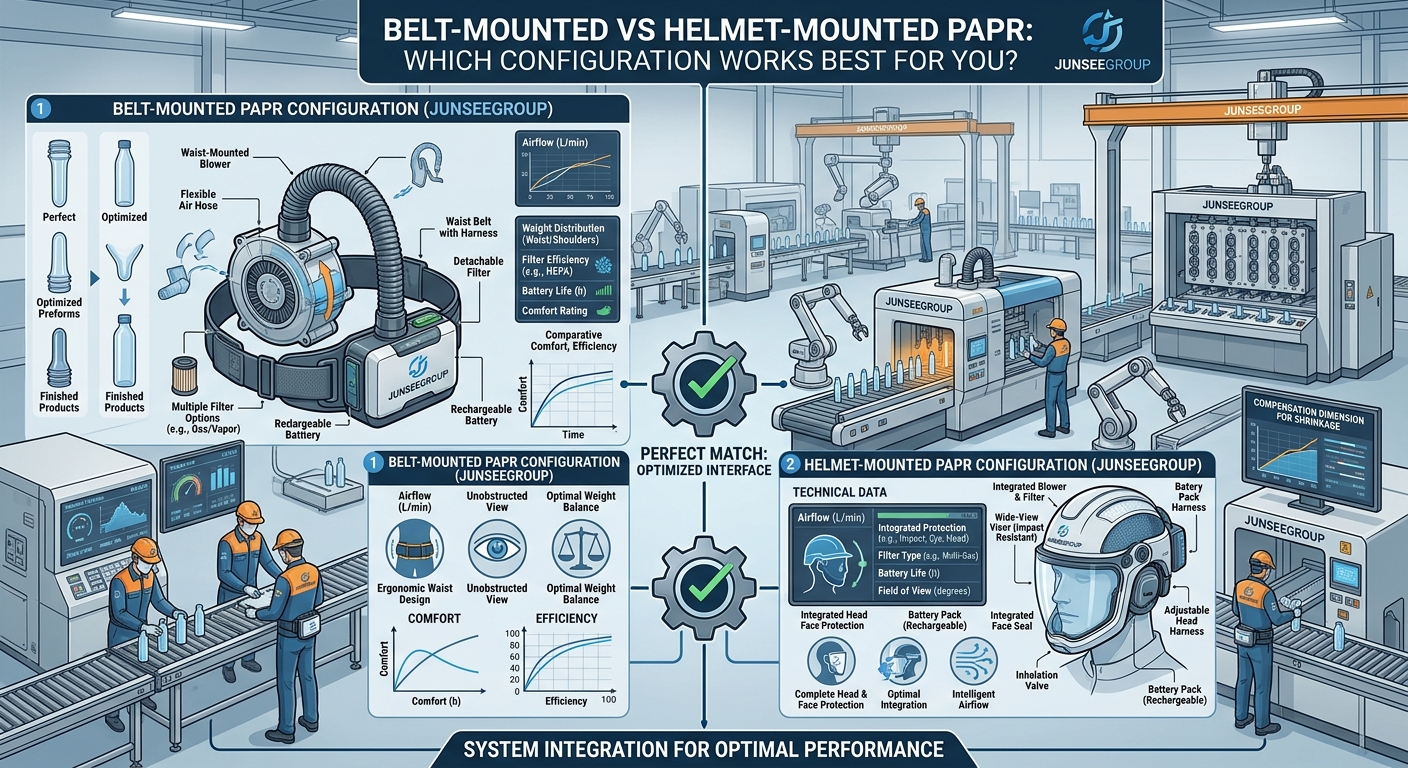
| Where is that heat? | In belt-mounted PAPRs, the blower is on your waist – not on your head. The heat stays at your hip, not your face. |
| Does it affect comfort? | Belt-mounted: minimal impact. Helmet-mounted: some heat is transferred to the head, but still far less than the heat trapped inside a traditional mask. |
| Net effect vs traditional mask | PAPR is still dramatically cooler – the constant airflow and elimination of trapped heat outweigh any blower-generated warmth. |
| Question | Answer |
|---|---|
| Does heat affect battery performance? | High temperatures can reduce battery runtime slightly. |
| How much reduction? | Typically 10-20% reduction at 40°C (104°F) – but most PAPR batteries are designed for industrial temperature ranges. |
| Solution | Choose PAPRs with high-capacity batteries (8-12 hour rated). Swap batteries at lunch if needed. Many systems have hot-swappable batteries. |
| Junsee Group takeaway: | Battery management is a solvable logistics issue. The comfort and compliance benefits far outweigh occasional battery swaps. |
This is a common misconception. Workers imagine wearing a heavy, sealed plastic bag over their head.
Reality: PAPR hoods are made of lightweight, breathable materials (often Tyvek or similar fabrics). But the key difference is:
With a traditional mask: Stagnant air + trapped heat + no airflow = hot
With a PAPR hood: Constant 6-8 CFM of moving air across your entire face and head = cool
✅ User quote (pharmaceutical worker, 35°C cleanroom): "I thought the hood would be hotter. It's actually cooler than wearing nothing at all – the air moving across my face feels like a personal fan."
| Factor | Traditional Mask | PAPR |
|---|---|---|
| Summer compliance rate | 50-70% (workers frequently remove masks) | 85-95% (comfortable enough to keep on) |
| Effective protection (compliance × APF) | Low – frequent removal means zero protection during "mask breaks" | High – continuous protection |
| Heat stress risk | Elevated – trapped heat, breathing resistance | Reduced – constant airflow, no breathing resistance |
| Productivity impact | Negative – fatigued workers work slower, make more errors | Neutral to positive – comfortable workers work at full capacity |
| Summer worker morale | Low – workers dread the mask | High – workers appreciate the comfort |
| Heat-related incident risk | Higher – dehydration, heat exhaustion more likely | Lower – better thermoregulation |
| Cost Factor | Traditional Mask | PAPR |
|---|---|---|
| Mask compliance loss (productivity + risk) | Moderate to High | None |
| Heat-related productivity loss (5% × 90 days) | Significant | Minimal |
| Risk of citation/incident from non-compliance | Higher | Lower |
| Summer premium for PAPR | – | Easily justified by compliance alone |
| PAPR Style | Summer Comfort Rating | Notes |
|---|---|---|
| Belt-mounted + loose hood | ⭐⭐⭐⭐⭐ (Excellent) | Best for summer. Lightweight hood, constant airflow, blower off the head. |
| Belt-mounted + full facepiece | ⭐⭐⭐ (Good) | Less airflow than hood, but still better than traditional mask. |
| Helmet-mounted + loose hood | ⭐⭐⭐⭐ (Very Good) | Heavier on head, but no hose. Good for climbing/mobile work. |
| Helmet-mounted + welding helmet | ⭐⭐⭐ (Good) | Adds helmet weight, but still far cooler than traditional mask + welding helmet. |
✅ Junsee Group recommendation for summer: Belt-mounted PAPR with a loose-fitting hood provides the maximum heat relief. The hood is lightweight. The airflow is constant and cooling. And the blower stays on your waist, not your head.
| Industry | Summer Challenge | PAPR Solution |
|---|---|---|
| Foundries and metal casting | Extreme heat + metal fumes + required respiratory protection | PAPR hood with cool airflow – dramatically reduces heat stress |
| Construction (outdoor) | Direct sun + high temperatures + dust | Lightweight PAPR hood – workers can keep it on all day |
| Wastewater treatment | Hot, humid environment + biological hazards + gases | PAPR with full facepiece or hood – eliminates mask fogging and discomfort |
| Chemical plants (outdoor operations) | Summer heat + chemical vapors + required full facepiece | PAPR full facepiece – positive pressure reduces heat inside mask |
| Pharmaceutical manufacturing | Cleanrooms can be warm + potent API exposure + long shifts | PAPR hood – cool, comfortable for 8+ hour shifts |
| Healthcare (COVID/flu response) | PPE layers in warm hospitals + N95 discomfort | PAPR hood – cool, no fit testing, comfortable for long shifts |
| Welding (indoor and outdoor) | Heat from welding + summer temperatures + fume protection | PAPR welding helmet – cooler than traditional respirator under a welding hood |
At Junsee Group, we help customers prepare for summer heat with complete PAPR solutions designed for high-temperature work breathing challenges.
✅ Belt-mounted PAPR systems with lightweight, loose-fitting hoods – maximum summer comfort
✅ Extended battery packs – 8-12 hour runtime for full summer shifts
✅ Heads-up battery indicators – no unexpected shutdowns
✅ Hood options with moisture-wicking sweatbands and breathable fabrics
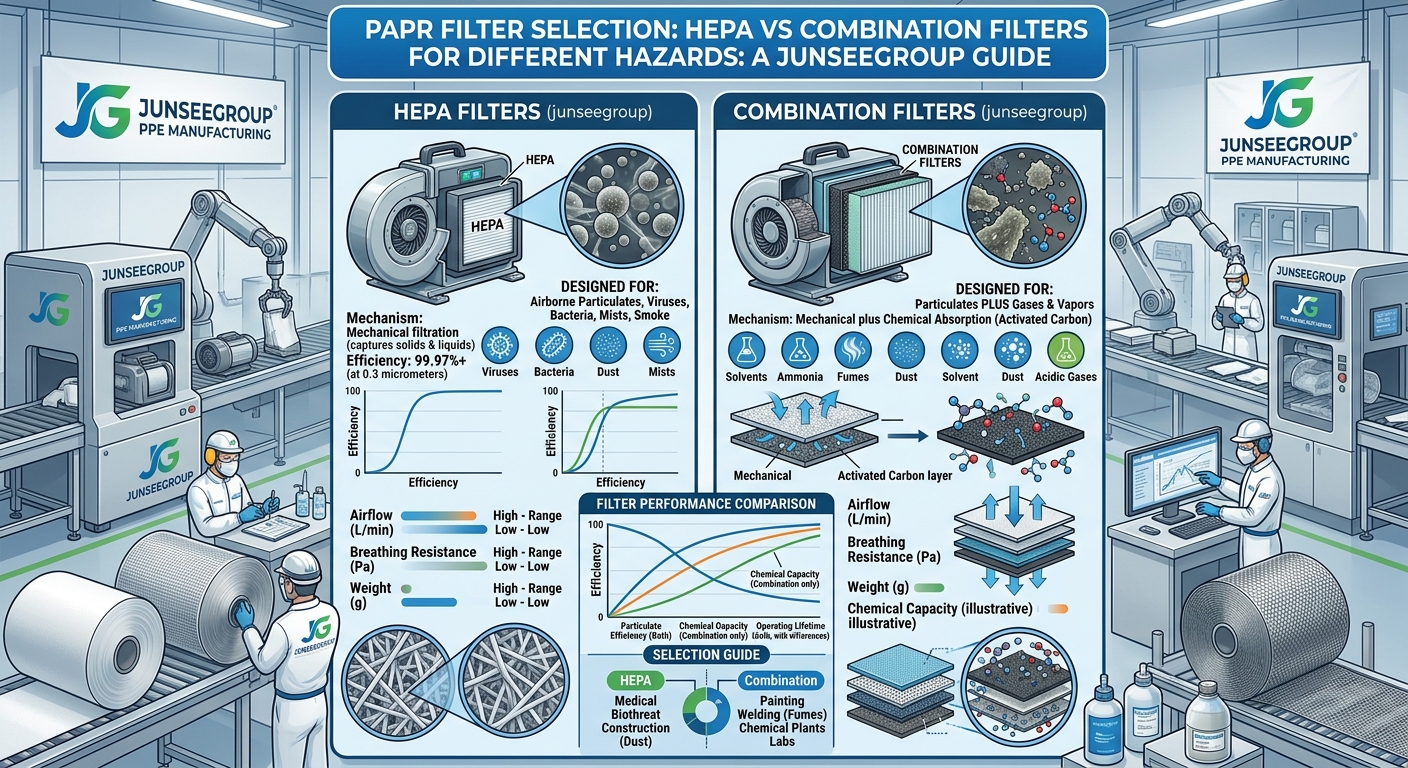
✅ Filter kits for particulate, gas/vapor, or combination hazards
✅ Training materials for proper summer use and battery management
Inspect all batteries – capacity degrades over time. Replace any battery that no longer holds a full shift charge.
Check hood condition – Look for tears, worn elastic, or damaged visors.
Clean blower intake vents – Dust buildup reduces airflow and cooling efficiency.
Order spare filters – Summer often means higher particulate levels (pollen, dust, construction activity).
Train workers on battery management – Hot-swapping batteries at lunch ensures full-day protection.
Consider spare batteries – Rotate batteries so workers always have a fully charged spare.
The question is not whether workers will remove hot, uncomfortable masks in summer. They will.
The question is whether you have provided an alternative that keeps them protected while keeping them comfortable.
PAPR is that alternative.
✅ No more hot, stagnant air trapped against the face
✅ Constant cooling airflow – like a personal fan
✅ Zero breathing resistance – no extra effort in the heat
✅ High compliance – workers keep it on because it feels good
✅ Continuous protection – no "mask breaks" = no unprotected exposure
Junsee Group's message to safety managers: The money you spend on PAPR for summer heat is not an expense – it is an investment in compliance, productivity, and worker health. The cost of workers removing hot masks all summer is far higher.

Your email address will not be published. Required fields are marked