
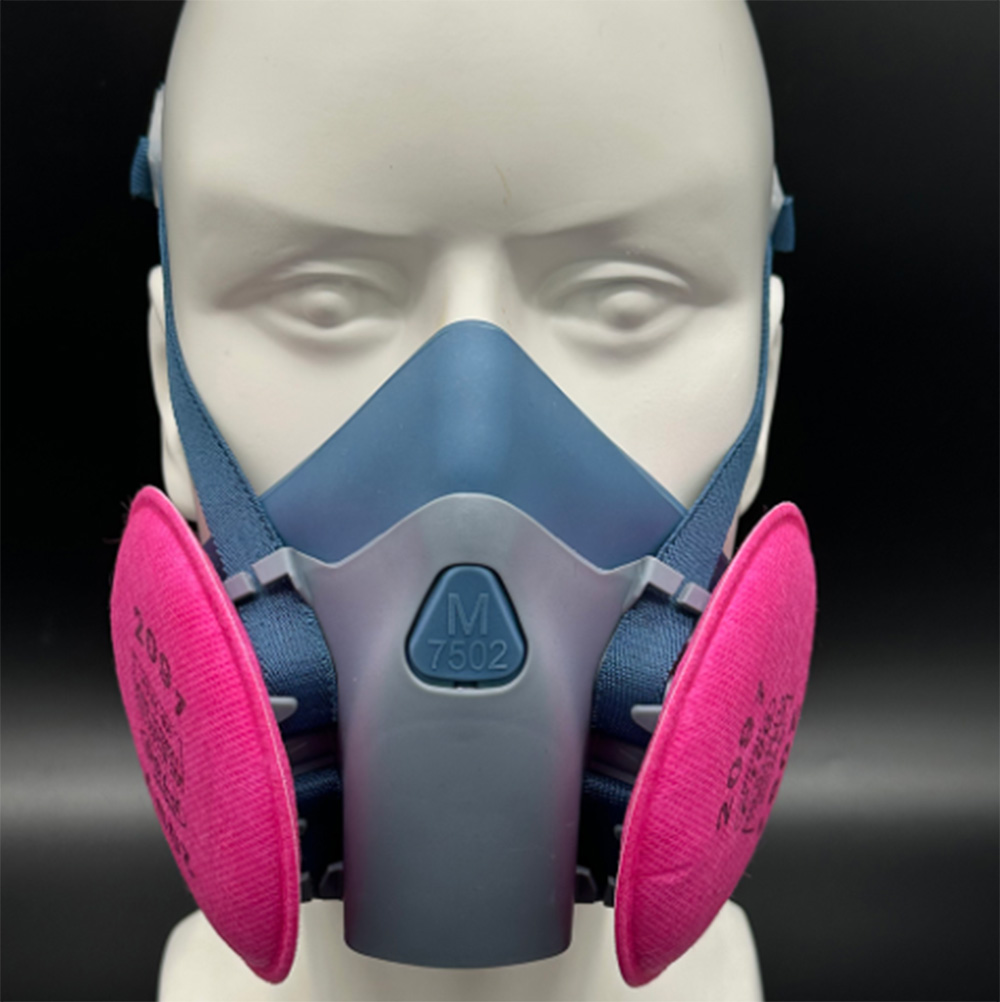
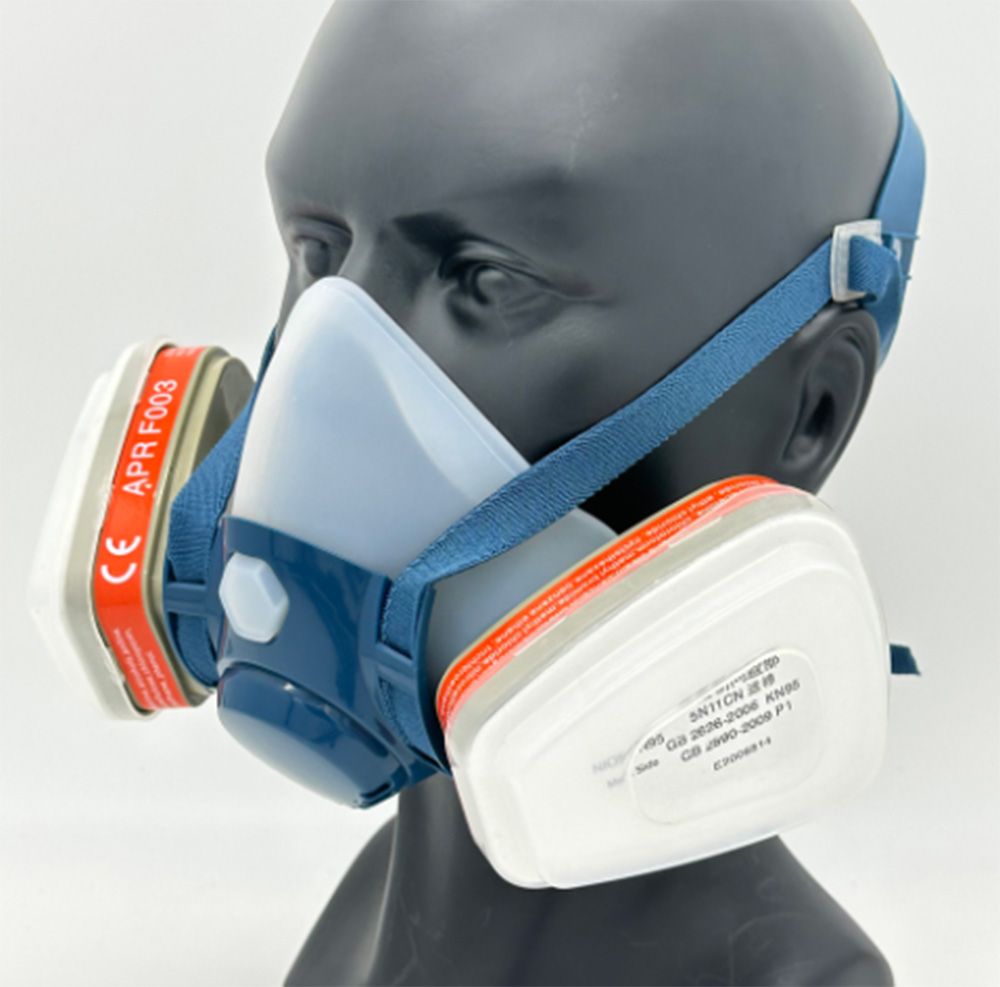
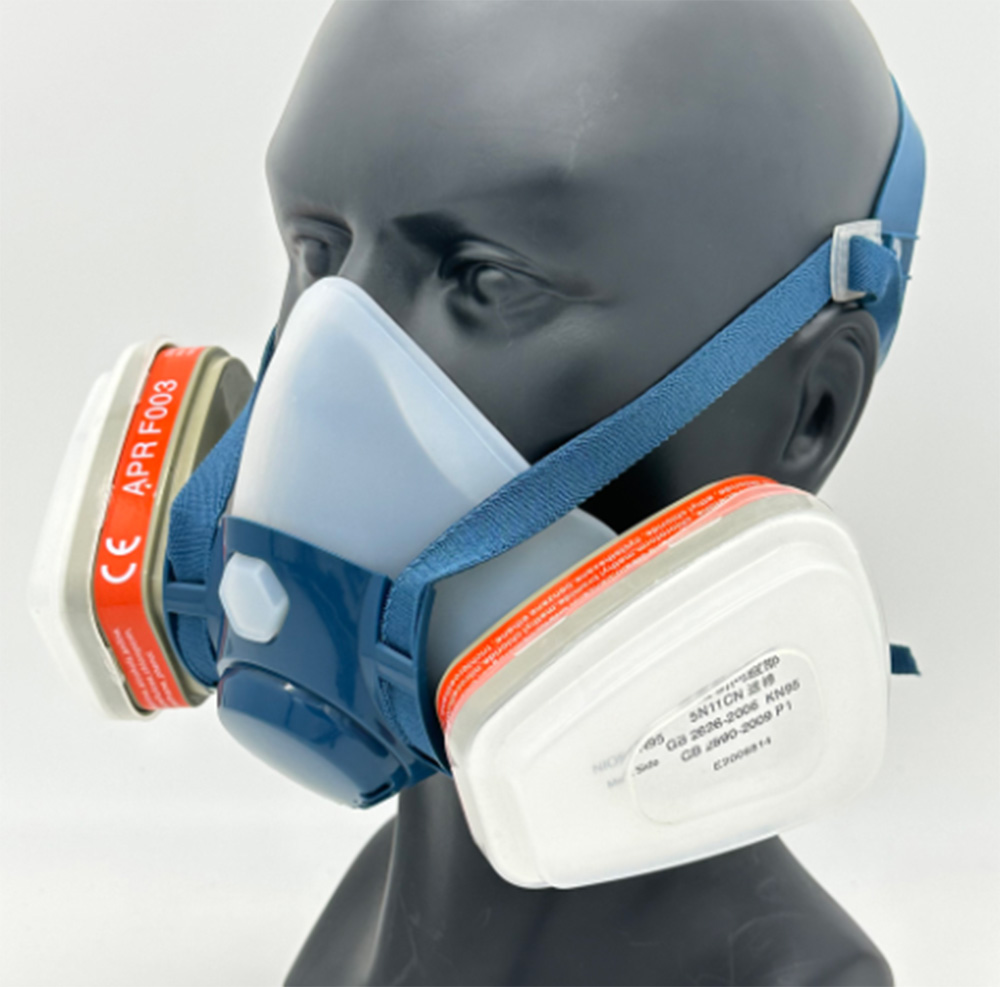
A half mask respirator is one of the most common pieces of industrial safety equipment—but choosing the right one is not as simple as picking the cheapest option or the most popular brand.
At Junsee Group, we help safety managers and workers select half masks that actually protect. The wrong choice can mean poor fit, uncomfortable wear, inadequate filtration, or—worst of all—workers leaving the respirator in their locker because it is unbearable to wear.
To make the right choice, you need to check 6 key parameters. Here is what to look for.
The Assigned Protection Factor (APF) is the level of protection a properly fitted respirator provides. OSHA assigns an APF of 10 to elastomeric half mask respirators (including both reusable and filtering facepiece types) . This means a half mask reduces contaminant concentration by 10x.
| Outside Concentration | Inside Mask (APF 10) |
|---|---|
| 100 ppm | 10 ppm |
| 500 ppm | 50 ppm |
| 1,000 ppm | 100 ppm |
| Condition | Is Half Mask Adequate? |
|---|---|
| Concentration <10x PEL (Permissible Exposure Limit) | ✅ Yes – APF 10 sufficient |
| Concentration 10x–50x PEL | ❌ No – need full facepiece (APF 50) or PAPR |
| Gases/vapors that irritate eyes | ❌ No – half mask does not protect eyes |
✅ Junsee Group tip: Before choosing a half mask, review your industrial hygiene sampling. If any results exceed 10x the exposure limit, half masks are not enough—you need full facepiece or PAPR.
A half mask’s protection also depends on the filter chosen:
✅ Junsee Group recommendation: For most industrial dust and fume applications, choose P100 filters for the highest efficiency (99.97%) . For gas hazards, match the cartridge color code to the contaminant.
The material of the facepiece determines comfort during long shifts, durability, chemical resistance, and how it feels against the skin. The three main options are silicone, TPE (thermoplastic elastomer), and standard elastomeric (rubber blend) .
✅ Junsee Group recommendation: For daily use on 8-hour shifts, choose silicone. The comfort difference is significant, and workers will be more likely to keep the respirator on. For occasional use or when outfitting a large team on a budget, TPE or elastomeric may be adequate.
A respirator that does not seal properly provides zero protection. Fit is not optional . Half masks are not "one size fits all"—most reputable manufacturers offer at least Small, Medium, and Large.
| Face Characteristic | Starting Size |
|---|---|
| Small female, narrow face, low nose bridge | Small |
| Average female, average male | Medium |
| Large male, wide face, high nose bridge | Large |
Fit Testing Requirements:
| Requirement | Detail |
|---|---|
| Initial fit test | Required before first use |
| Annual fit test | Required at least every 12 months |
| Re-test triggers | Weight change, dental changes, facial surgery, new respirator model/size |
✅ Junsee Group tip: Conduct fit testing with all other PPE (hard hats, safety glasses, hearing protection) that workers will wear simultaneously. Other PPE can interfere with the respirator seal .
| Facial Hair Type | Allowed? | Why |
|---|---|---|
| Full beard | ❌ No | Hair under the seal prevents sealing |
| Goatee | ❌ No | Hair on chin/jawline breaks lower seal |
| Stubble (even 1 day growth) | ❌ No | Stubble creates leak paths |
| Mustache (trimmed above seal line) | ⚠️ Possibly | Must not cross the seal area |
⚠️ Critical: OSHA prohibits using tight-fitting respirators if any facial hair interferes with the sealing surface . Workers must be clean-shaven where the mask contacts the skin.
You are buying a facepiece—but the facepiece is useless if it does not accept the filter cartridges you need for your specific hazards.
| Mount Type | Description | Common In |
|---|---|---|
| Bayonet (push-and-twist) | Two or three prongs that lock into facepiece | North America – 3M, MSA, Honeywell |
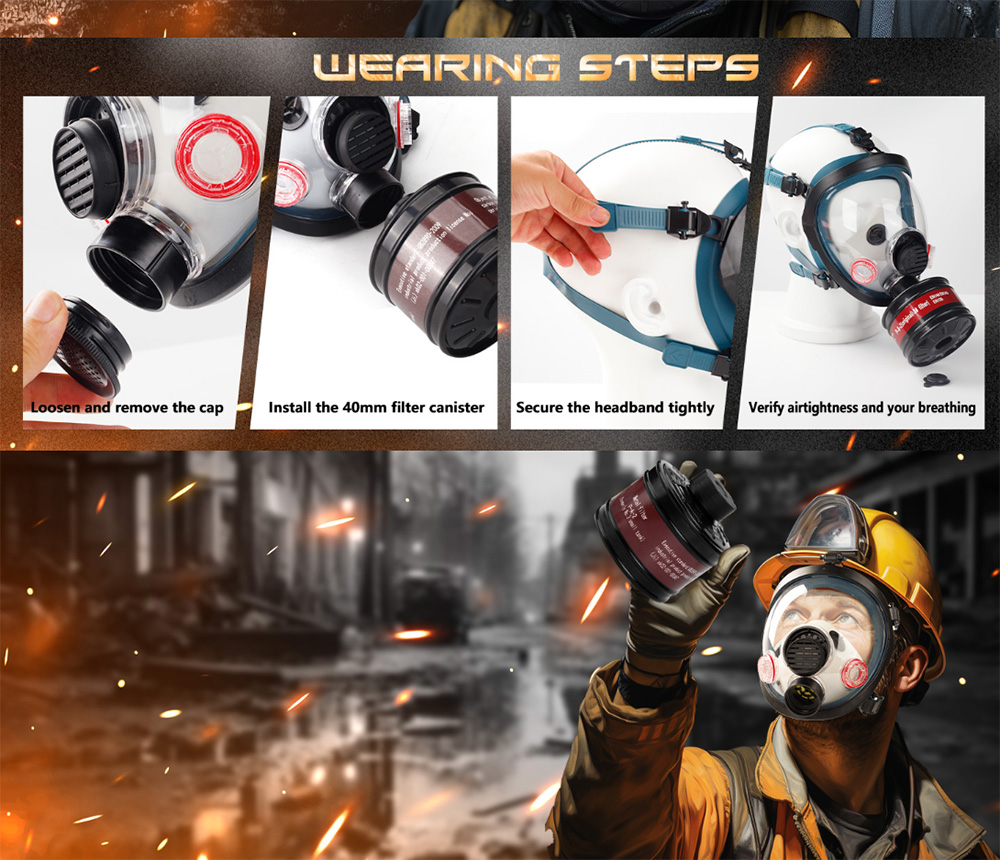
| Threaded (40mm) | Screw-on connection | Europe (EN 148-1) |
| Question | Why It Matters |
|---|---|
| Does the facepiece accept particulate filters (P100, P3)? | Needed for dust, fumes, mists |
| Does it accept gas cartridges? | Needed for solvents, acids, ammonia |
| Does it accept combination filters (gas + particulate)? | Needed for mixed hazards |
| Are filters widely available? | Proprietary filters may be expensive and hard to source |
| Color | Gas Type | Common Application |
|---|---|---|
| Brown (A) | Organic vapors | Solvents, paints, degreasers |
| Grey (B) | Acid gases | Chlorine, SO₂, hydrogen chloride |
| Green (K) | Ammonia | Refrigeration, fertilizer |
| Olive (ABEK) | Multi-gas | Unknown or mixed hazards |
✅ Junsee Group recommendation: Choose a facepiece with standard bayonet or 40mm threaded mounts rather than proprietary connections. This gives you flexibility in filter sourcing and avoids vendor lock-in. For gas hazards, use the correct color-coded cartridge . For combined dust + gas hazards, use combination filters.
The head harness holds the respirator against the face. Without a comfortable, adjustable harness, workers will loosen straps (creating leaks) or remove the respirator entirely.
| Feature | Why It Matters |
|---|---|
| Adjustable straps (upper and lower) | Allows different head sizes and shapes |
| Even tension distribution | Prevents pressure points and distortion of the facepiece |
| Durable materials | Straps should not stretch out or fray within months |
| Quick-release or ratchet (on some models) | Easier donning/doffing for multiple users |
✅ Junsee Group tip: Over-tightening is a common mistake. The facepiece should not distort or leave deep pressure marks. If it does, loosen slightly.
Half masks are typically more compatible with other PPE (hard hats, earmuffs, faceshields, safety glasses) than full facepieces because they cover less of the face . However:
Earmuffs should not press against respirator straps (can break the seal)
Safety glasses must not cross the respirator seal area
Hard hats should not push the respirator down
✅ Junsee Group tip: When workers wear multiple PPE items, fit test them together—never separately. OSHA requires that respirator fit testing accounts for all PPE that could interfere with the seal .
The initial price of a half mask ($20–$60) is only part of the cost equation. You must consider ongoing costs over the equipment's lifespan (typically 3–5 years) .
| Cost Item | Typical Cost | Frequency |
|---|---|---|
| Initial facepiece | $20 – $60 | One-time (every 3-5 years) |
| Filter cartridges (particulate) | $10 – $20 per set | Every 40 hours of use (or when clogged) |
| Filter cartridges (gas) | $15 – $30 per set | When saturated—follow manufacturer schedule |
| Valve flap replacement | $5 – $10 | Every 6–12 months |
| Head harness replacement | $5 – $15 | Every 1–2 years |
| Fit testing | $50 – $150 | Annual, per worker |
| Training | Varies | Initial and periodic |
| Cost Factor | Disposable N95 | Half Mask Respirator |
|---|---|---|
| Initial | N/A | $40 |
| Annual mask/filter cost | $125 (250 shifts ÷ 2 reuses × $1) | $100 |
| 5-year total | $625 | $540 |
✅ Junsee Group takeaway: A reusable half mask can be cost-competitive or lower cost than disposable N95 masks over 5 years—and provides better seal, adjustable fit, and protection against gases (with proper cartridges).
| Component | Replacement Frequency |
|---|---|
| Facepiece body | 3–5 years, or immediately if cracked, stiff, or deformed |
| Filter cartridges (particulate) | When breathing resistance increases; or at 40 hours of use |
| Filter cartridges (gas) | When contaminant is smelled/tasted; or per manufacturer schedule |
| Valve flap | Every 6–12 months, or when curled/cracked |
| Head harness | Every 1–2 years, or when elastic loses tension |
| Parameter | What to Check | Red Flag | Green Flag |
|---|---|---|---|
| 1. APF & Filter Efficiency | Is APF 10 adequate for your hazard? Does filter match contaminant? | Concentration >10x PEL; wrong filter type | Concentration <10x PEL; correct filter for hazard |
| 2. Facepiece Material | Silicone, TPE, or elastomeric? | Worker complains of discomfort; stiff material | Silicone for long shifts; TPE for balanced cost/comfort |
| 3. Size & Fit | Multiple sizes available; fit testing passed | No fit testing; single size only | S, M, L sizes; annual fit testing completed |
| 4. Filter Compatibility | Accepts required filter types | Proprietary-only; no gas cartridges | Standard bayonet/threaded; wide filter range |
| 5. Head Harness/Comfort | Adjustable; works with other PPE | Straps slip; pressure points; incompatible with hard hat | Easy adjustment; tested with all PPE |
| 6. Total Cost of Ownership | Ongoing costs vs disposable alternatives | Underestimating filter and fit testing costs | Planned replacement schedule; lower 5-year cost than disposables |
| Key Principle | Why It Matters |
|---|---|
| APF 10 is the limit | If concentration exceeds 10x PEL, half mask is not enough |
| Choose the right material | Silicone for daily use; TPE/elastomeric for occasional use |
| Fit is everything | Annual fit testing required—no exceptions |
| Match filter to hazard | Particulate filters do not stop gases; use correct color code |
| Check compatibility with other PPE | Hard hats, ear muffs, and glasses can break the seal |
| Calculate TCO | Half masks can be cheaper than disposables over 5 years |
The bottom line: Choosing a half mask respirator is not about picking the cheapest option. It is about matching 6 key parameters to your specific hazards, workforce, and budget. Get these right, and your respirator program protects workers effectively. Get any wrong, and you waste money—or worse, expose workers to hazards because they cannot or will not wear the respirator correctly.
At Junsee Group, we supply half masks in silicone, TPE, and elastomeric materials, with a full range of filter cartridges for particulates, gases, vapors, and combinations. We also provide sizing guidance and fit testing support.
Need help selecting half masks for your workforce?
Contact Junsee Group today. We will help you evaluate these 6 key parameters against your specific hazards, workforce, and budget.


Your email address will not be published. Required fields are marked