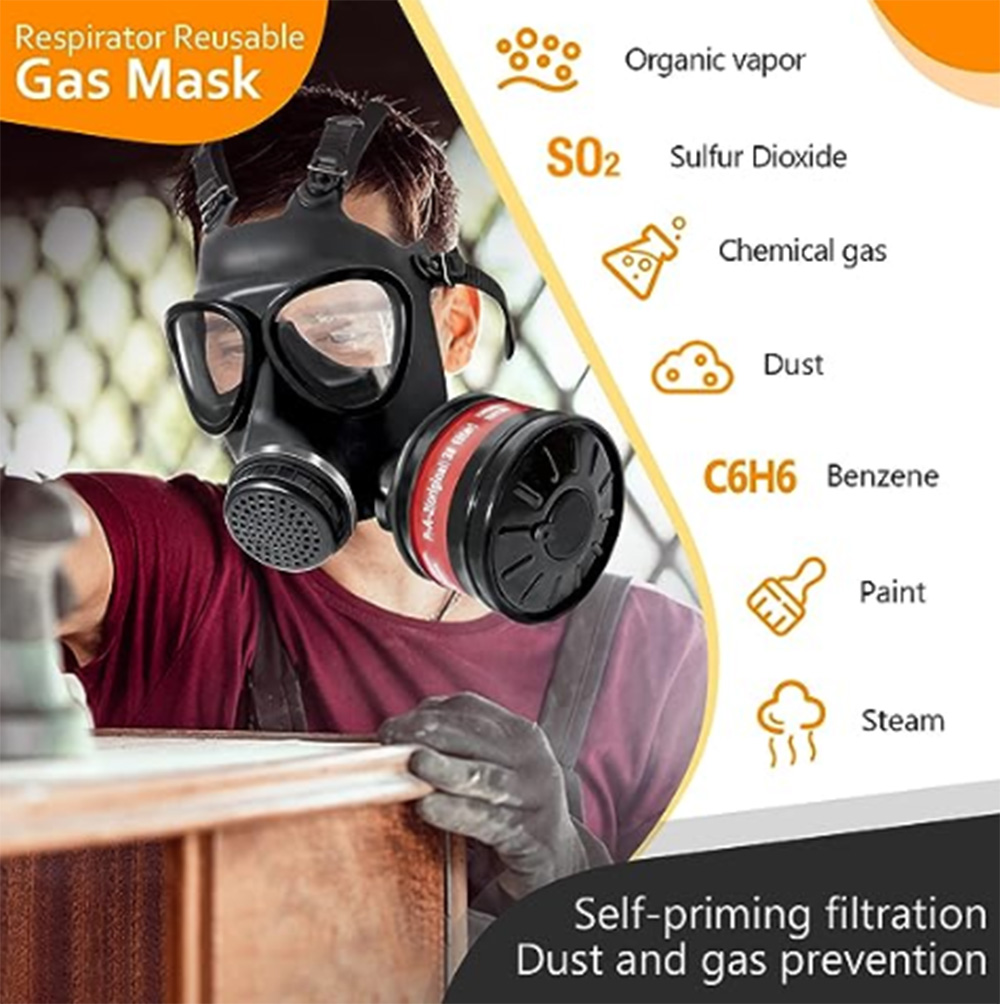
One of the most common questions we hear at Junsee Group is: "Can I wear my prescription glasses with a full facepiece respirator?"
The short answer is no—not directly. Standard eyeglasses cannot be worn under a full facepiece because the temple bars (the side pieces) break the critical seal between the respirator and your face . This creates a gap where contaminants can enter, rendering the respirator ineffective.
However, there is a proper solution: spectacle kits.
Spectacle kits (also called prescription lens inserts) are specially designed frames that mount inside the full facepiece, allowing workers with prescription eyewear to see clearly without compromising the respirator seal .
At Junsee Group, we help customers find the right spectacle kit for their full facepiece respirator model. This guide explains everything you need to know—from why glasses don't work, to available solutions, to how to get a kit fitted for your workers.
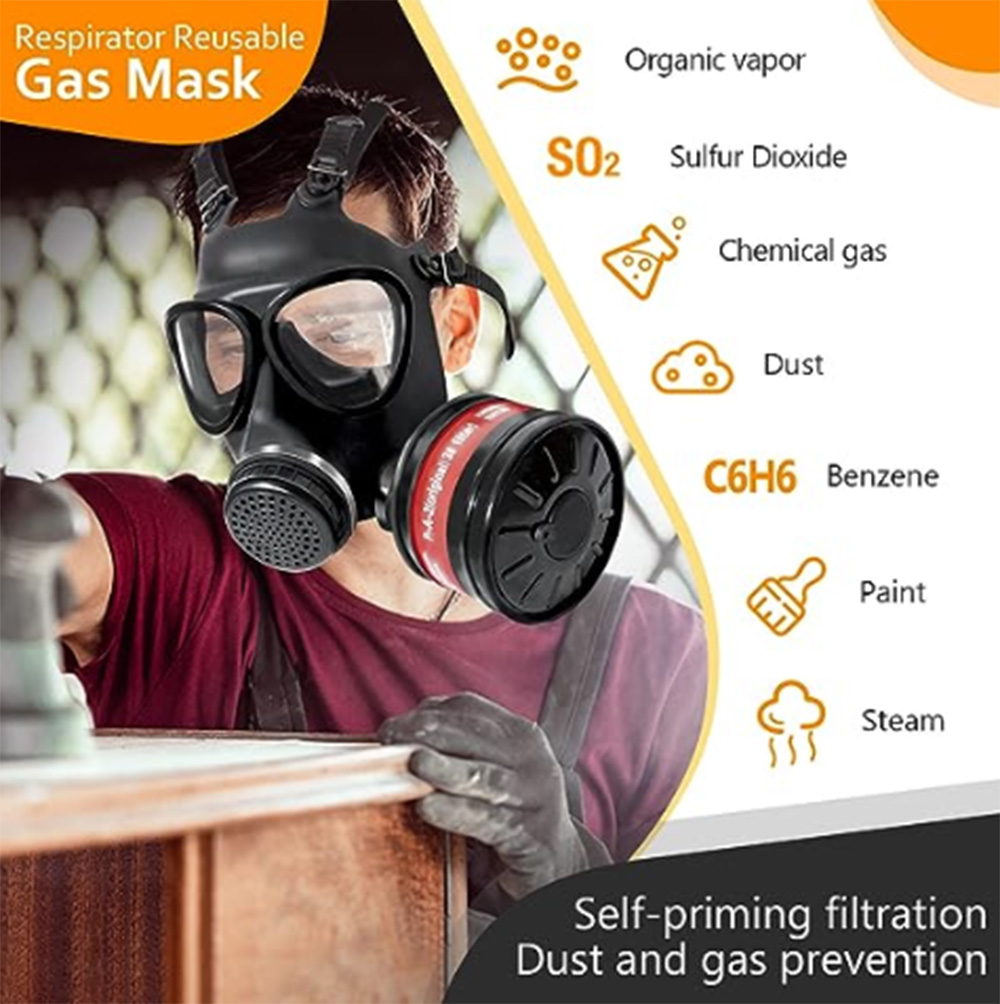
Many workers try to wear their regular prescription glasses under a full facepiece. This is unsafe and non-compliant for several reasons.
NIOSH (National Institute for Occupational Safety and Health) requires that every manufacturer of approved full facepiece respirators provide spectacle kits for vision correction . This is because standard glasses are explicitly not allowed.
⚠️ Critical: Wearing regular glasses under a full facepiece is not just uncomfortable—it is a safety violation that can result in exposure to hazardous contaminants.
A spectacle kit (also called a lens insert or spectacle frame) is a specialized frame that mounts inside the full facepiece respirator . Prescription lenses are installed into this frame, positioning them correctly in front of the user's eyes.
| Mount Type | Description | Common In |
|---|---|---|
| Wire spring | Flexible metal wires that clip into place inside the facepiece | Scott, 3M |
| Suction-cup | Cups adhere to the inside of the visor | Some MSA models |
| Rail assembly | Slides into dedicated tracks inside the facepiece | North, Honeywell |
Spectacle kits are model-specific. A kit designed for a 3M respirator will not fit a North or Scott model. You must match the kit to the exact make and model of the full facepiece .
✅ Junsee Group tip: Before ordering a spectacle kit, locate the brand and model number on your full facepiece respirator. The model number is typically molded into the facepiece body near the chin or forehead area.
| Action | Details |
|---|---|
| Find the brand and model number on your full facepiece | Look for markings such as "3M 6000", "Scott AV-2000", "North 7600", etc. |
| Note any size information (Small, Medium, Large) | May affect fit of the spectacle kit |
Important: The spectacle kit comes with the frame only—prescription lenses are not included .
The optometrist will:
Measure the pupillary distance (distance between pupils)
Determine the optical center for the lenses
Cut and install lenses into the spectacle kit frame
Help adjust the frame position for optimal vision (if respirator is available)
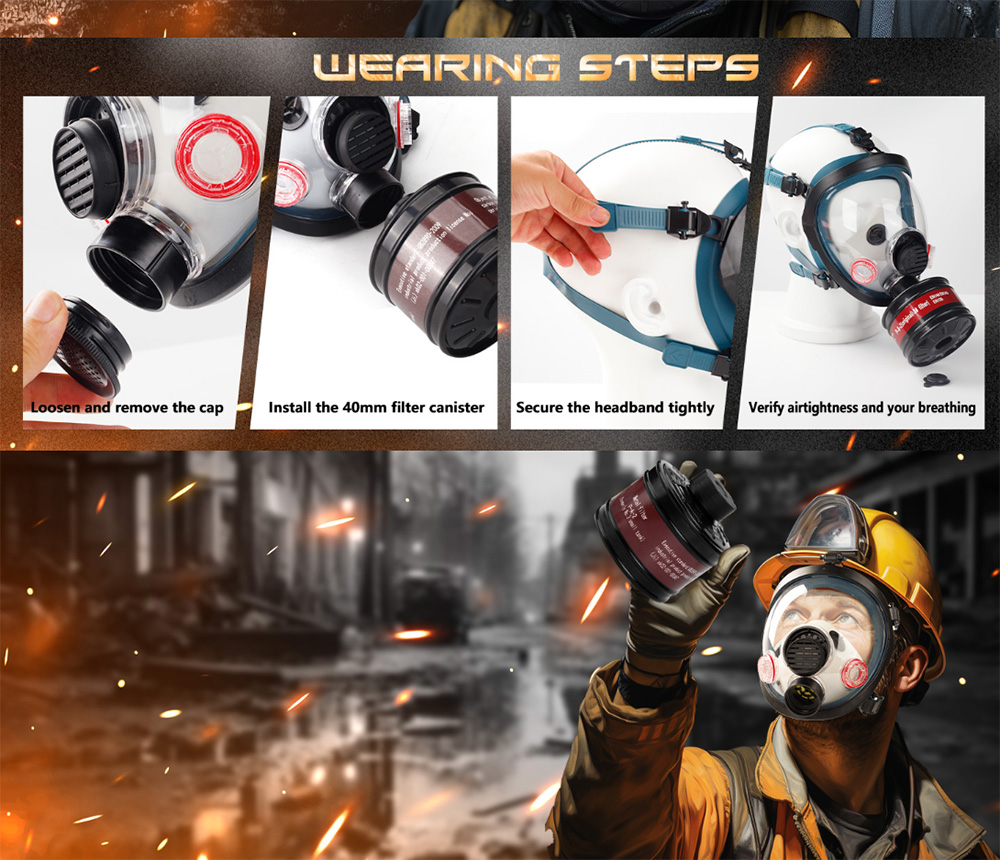
Each manufacturer provides specific installation instructions. Here is a general overview:
⚠️ Warning: Do not force or distort the support wires. If the spectacle kit does not fit securely, do not use the respirator—contact the manufacturer for an alternative kit .
After installing the spectacle kit, the worker must:
| Requirement | Why |
|---|---|
| Don the respirator with the kit installed | — |
| Perform user seal checks (positive and negative pressure) | Verify the kit does not interfere with the seal |
| Check vision clarity and adjust as needed | Ensure lenses are positioned correctly |
| Complete formal fit testing (if not already done) | OSHA requirement for all tight-fitting respirators |
✅ Junsee Group tip: If a worker cannot achieve a proper seal with the spectacle kit installed, remove the kit and retest without it. If the seal works without the kit but fails with it, the kit may be incompatible or incorrectly installed .
If a spectacle kit is not available for your respirator model or if workers prefer other options, consider these alternatives.
| Pros | Cons |
|---|---|
| No seal interference | Some workers cannot tolerate contacts |
| Compatible with any full facepiece | Requires proper hygiene (risk of eye infection in dusty environments) |
| Lower upfront cost than spectacle kits | Not suitable for all workplace conditions (e.g., chemical splash risk may wash out lenses) |
Note: Some safety programs do not allow contact lenses in certain environments (e.g., chemical plants with splash risk). Check your site-specific safety policies.
| Pros | Cons |
|---|---|
| No face seal required—glasses fit easily under the hood | Higher cost ($600-$1,500) |
| Works with facial hair | Requires battery charging and maintenance |
| No fit testing required | — |
| Cooler and more comfortable in hot environments | — |
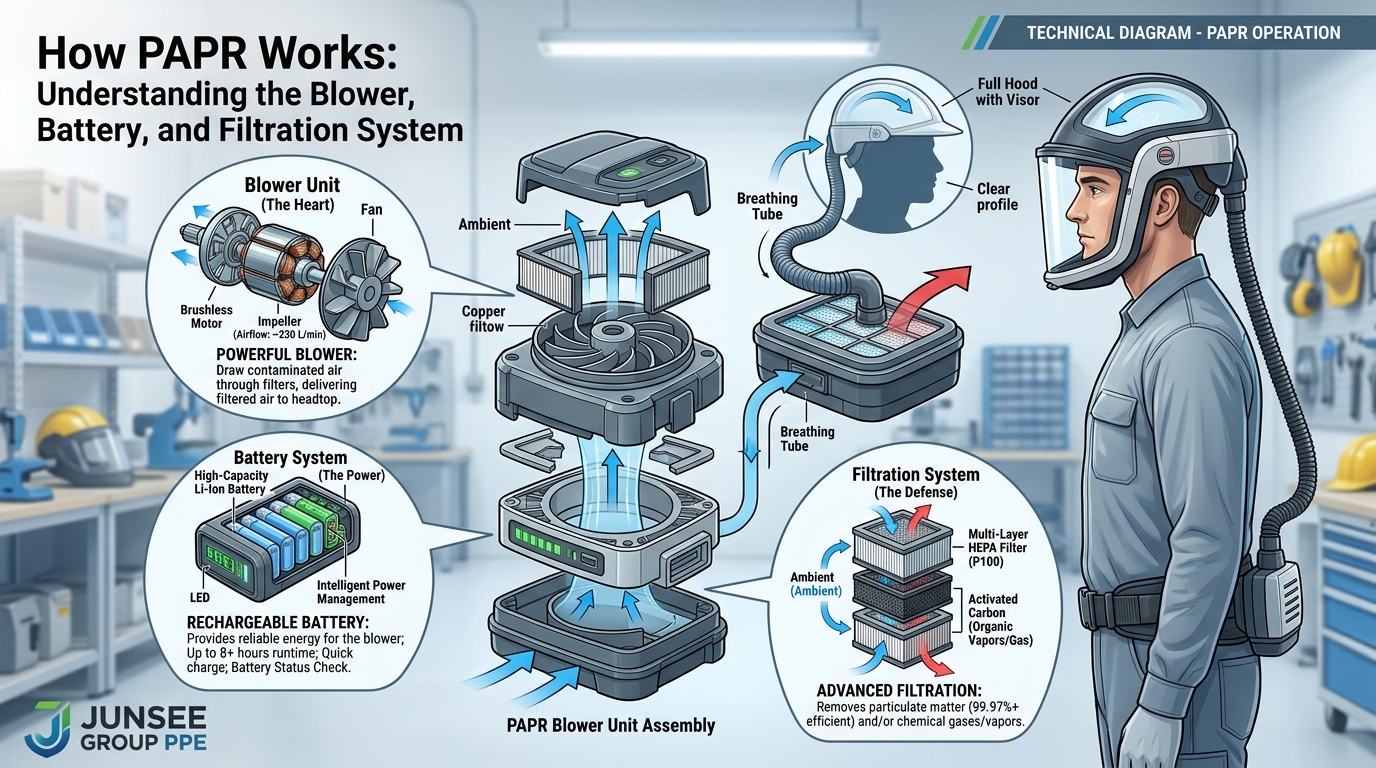
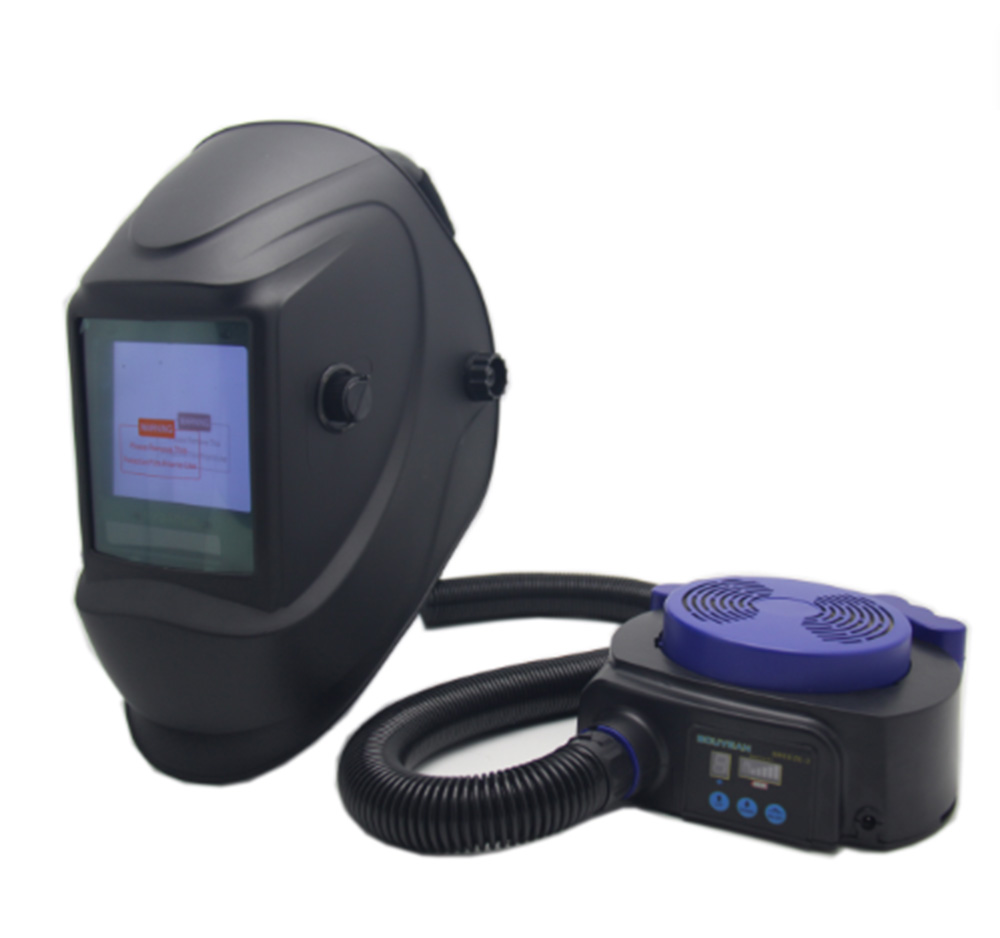
For workers who cannot or do not want to use a spectacle kit, a PAPR with a loose-fitting hood is an excellent alternative. Standard prescription glasses fit comfortably under the hood without affecting protection.
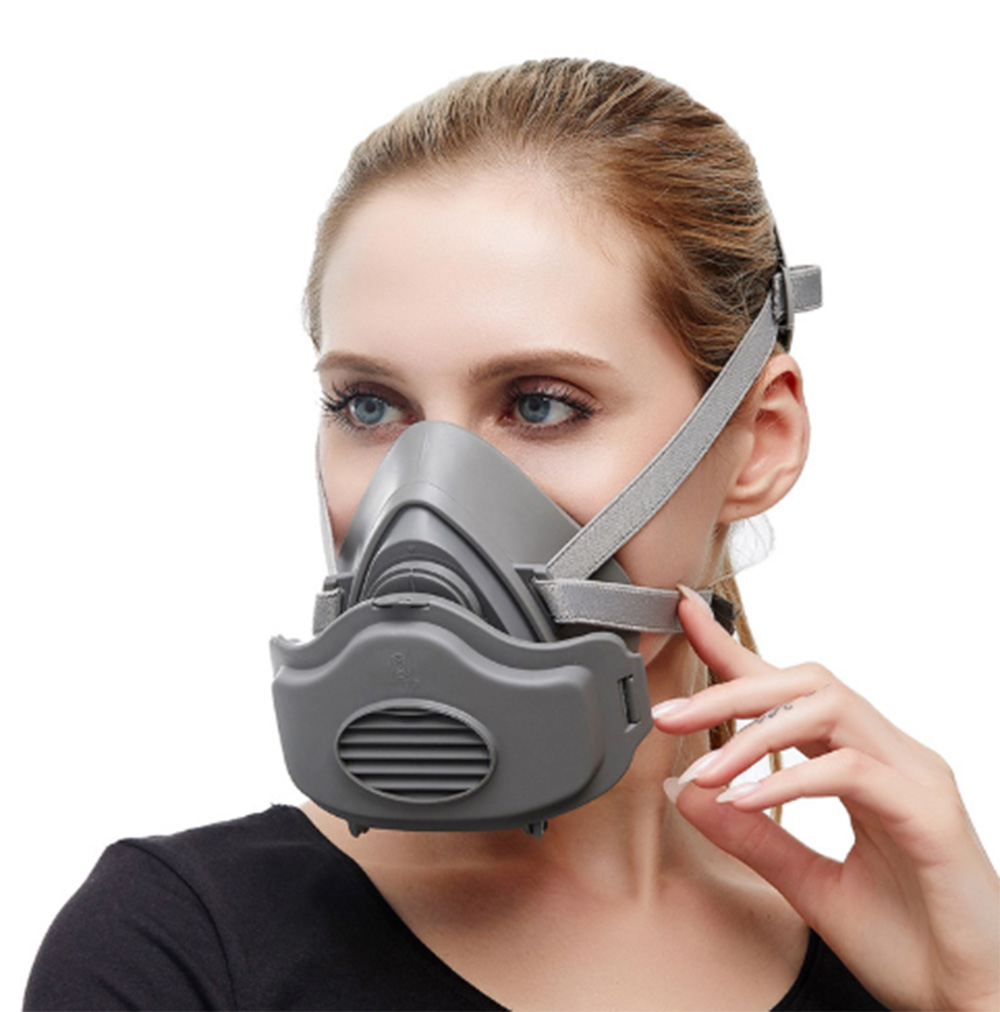
| Pros | Cons |
|---|---|
| Works with standard prescription safety glasses | Lower protection factor (APF 10 vs 50 for full facepiece) |
| Lower cost | No eye protection from gases/vapors |
| Familiar equipment | Gap between half mask and face shield |
Note: This is not a substitute for a full facepiece when gases or high-concentration hazards are present. Only use this alternative when the hazard assessment allows.
| Scenario | Annual Cost |
|---|---|
| New kit + lenses for each worker | $77 - $250/year |
| Replacement lenses only (if prescription changes) | $33 - $100/year |
| Solution | Upfront Cost | Annual Cost | Fit Testing Required? |
|---|---|---|---|
| Full facepiece + spectacle kit | $400 - $1,000 | Low (only if prescription changes) | Yes |
| PAPR with hood (glasses worn under) | $600 - $1,500 | Moderate (batteries, filters) | No |
✅ Junsee Group takeaway: For workplaces where full facepieces are the standard and workers have stable prescriptions, spectacle kits are the most cost-effective solution. For workplaces with high worker turnover or where fit testing is challenging, PAPR may be a better investment.
A: No. Any modification to standard glasses or to the respirator voids certification and is unsafe. Use only NIOSH-approved spectacle kits designed for your specific respirator model.
A: Most spectacle kits are designed to sit within the airflow path of the respirator, which helps reduce fogging. However, in high-humidity or extreme temperature conditions, some fogging may still occur. Anti-fog coatings on the prescription lenses can help.
A: This is not recommended. Spectacle kits are positioned for a specific user's pupillary distance and prescription. Sharing would result in incorrect lens positioning and blurry vision. Each worker should have their own spectacle kit installed in their assigned respirator.
A: Most spectacle kits are removable. Follow the manufacturer's instructions to remove the kit before cleaning the respirator. Clean the facepiece with mild soap and warm water (never solvents). The spectacle kit frame can be cleaned separately with mild soap and a soft cloth. Do not immerse the kit in water if it contains lenses.
A: Spectacle kits can accommodate progressive lenses. However, the available frame sizes may limit the height of the progressive corridor. Consult with your optometrist and the spectacle kit manufacturer to determine compatibility.
A: Spectacle kits are designed to fit within the respirator facepiece, not to the worker's face shape. As long as the respirator itself fits the worker, the spectacle kit should position the lenses correctly. However, some kits offer limited adjustability for vertical and horizontal positioning .
| Document | Retention Period |
|---|---|
| Spectacle kit purchase records | Length of equipment life |
| Prescription and lens fitting records | As long as worker uses that prescription |
| Fit testing records (with spectacle kit) | Annual, as long as worker is assigned |
| Training records | Annual |
| Key Principle | Why It Matters |
|---|---|
| Regular glasses are not allowed | They break the respirator seal and violate NIOSH requirements |
| Spectacle kits are the approved solution | Maintain seal while providing clear vision |
| Match kit to respirator model | Kits are not universal—use only compatible models |
| Use a licensed optometrist | Proper lens fabrication and positioning are essential |
| Fit test with the kit installed | Verify the kit does not interfere with the seal |
| Consider PAPR as an alternative | For workers who cannot use spectacle kits or when budget allows |
The bottom line: Workers who need prescription eyewear should not have to choose between seeing clearly and breathing safely. Spectacle kits provide a compliant, effective solution that allows full facepiece respirator use without compromising the seal—or safety.
At Junsee Group, we help customers identify the right spectacle kit for their full facepiece respirator model. We also offer alternative solutions like PAPR for workers who prefer to wear their glasses unmodified.


Your email address will not be published. Required fields are marked