


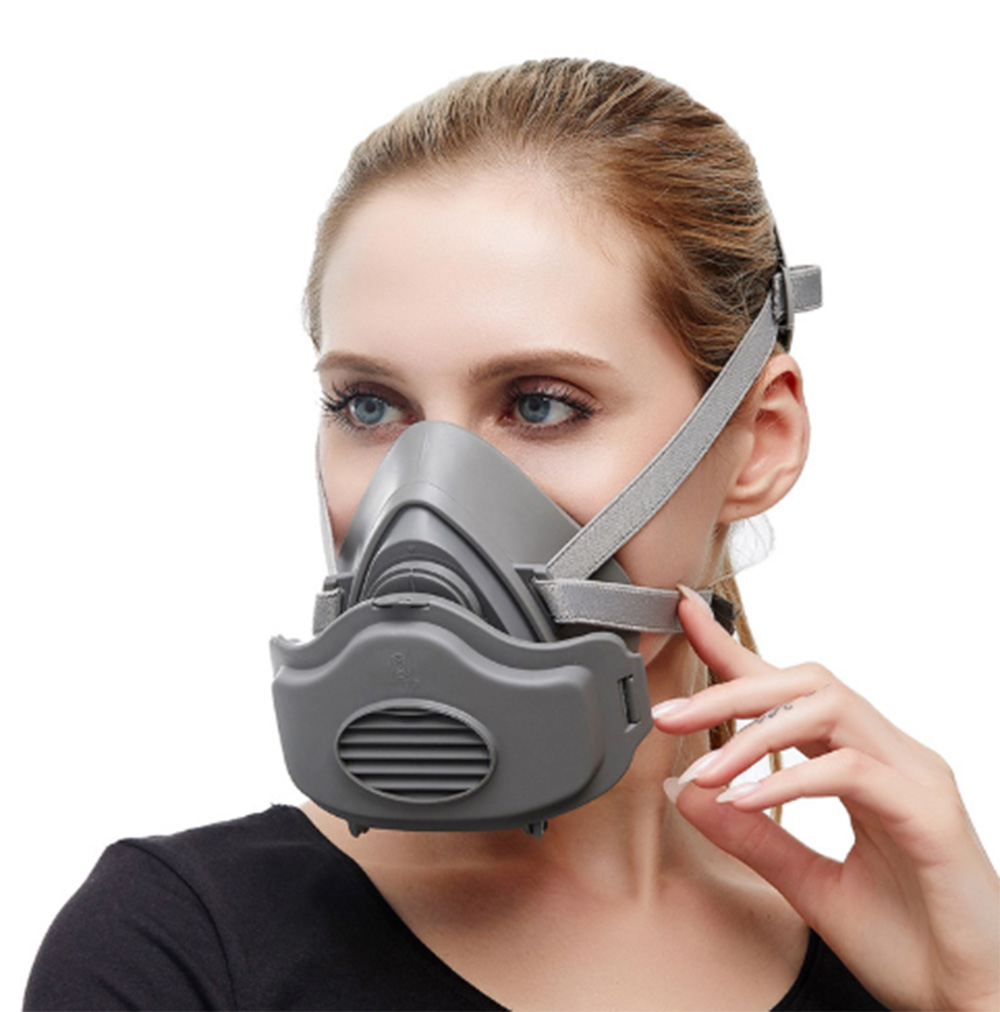
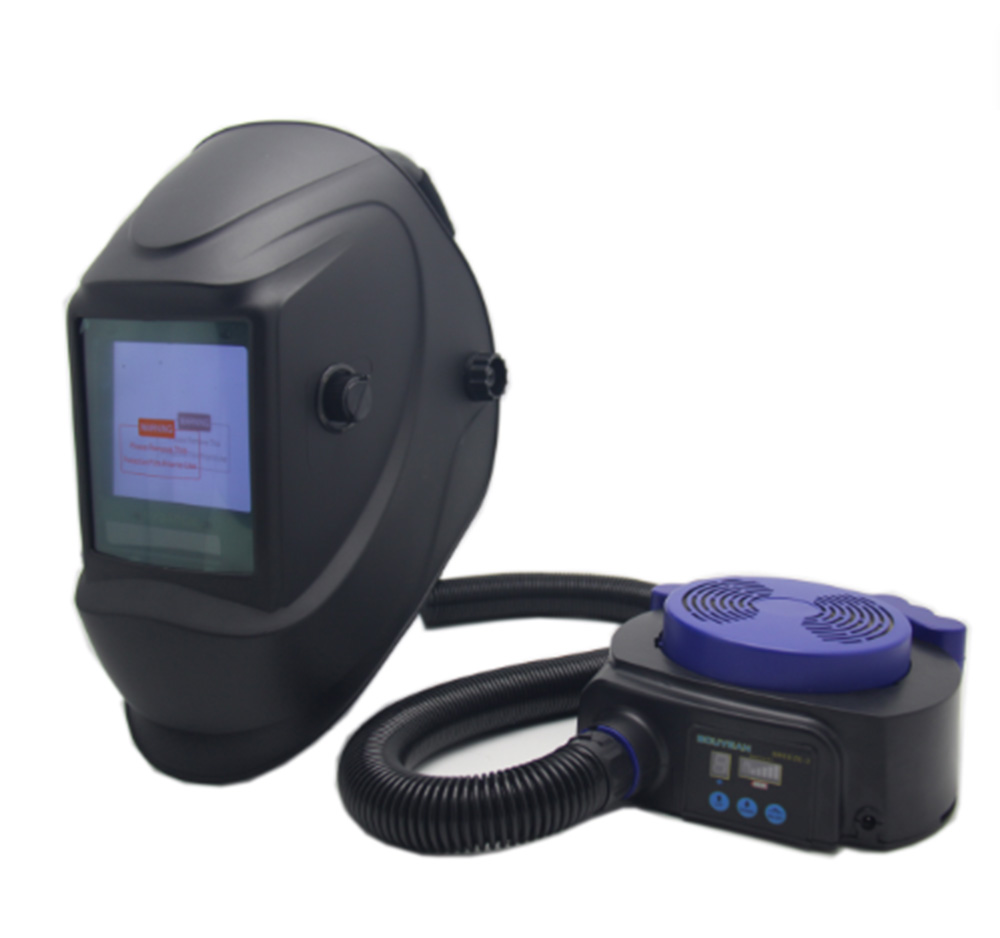
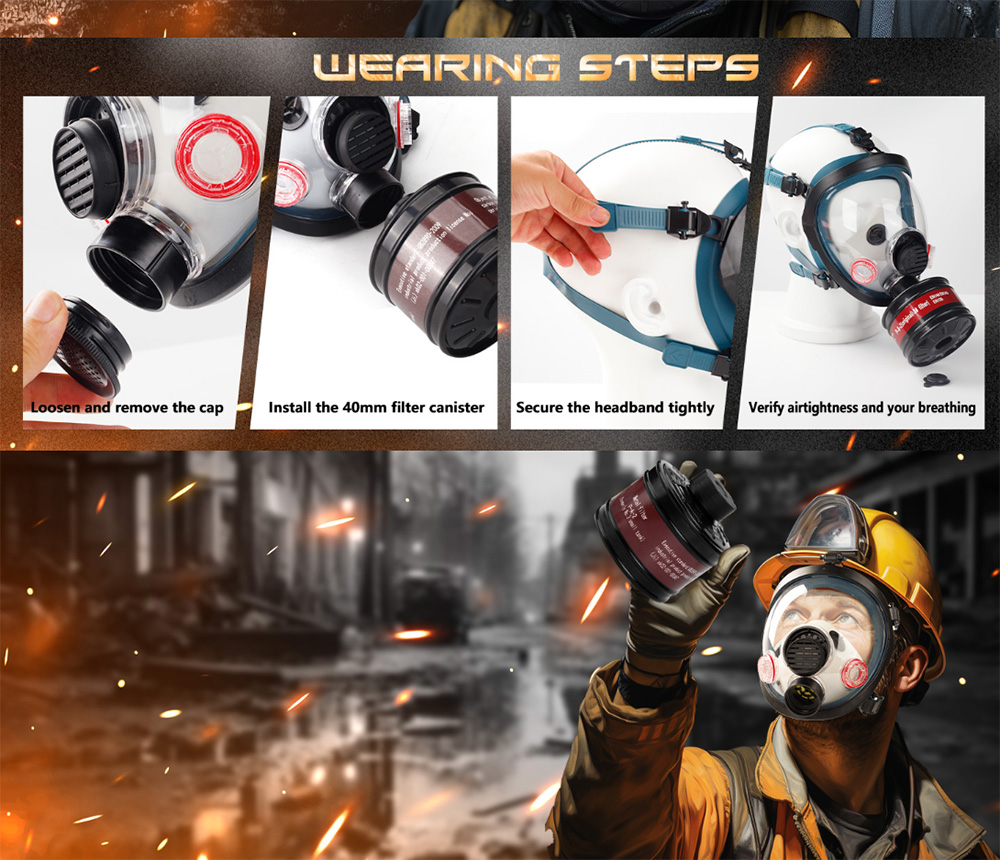
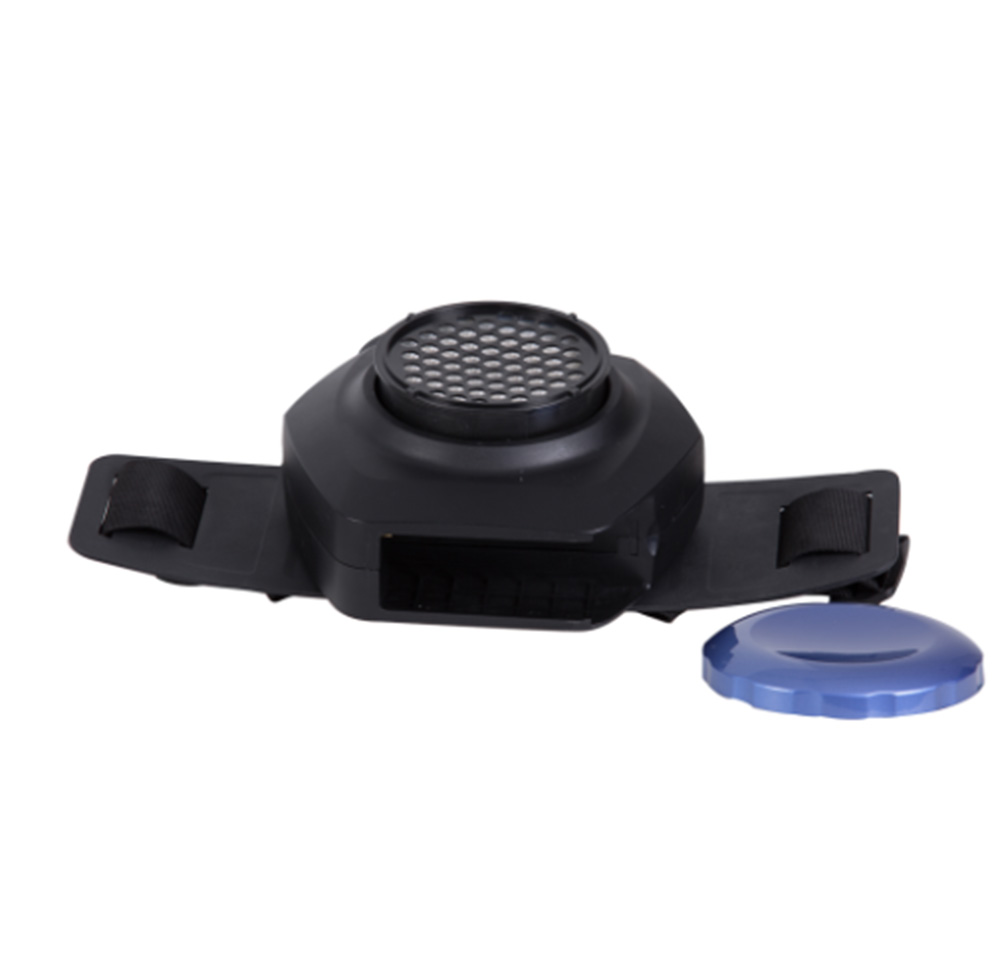
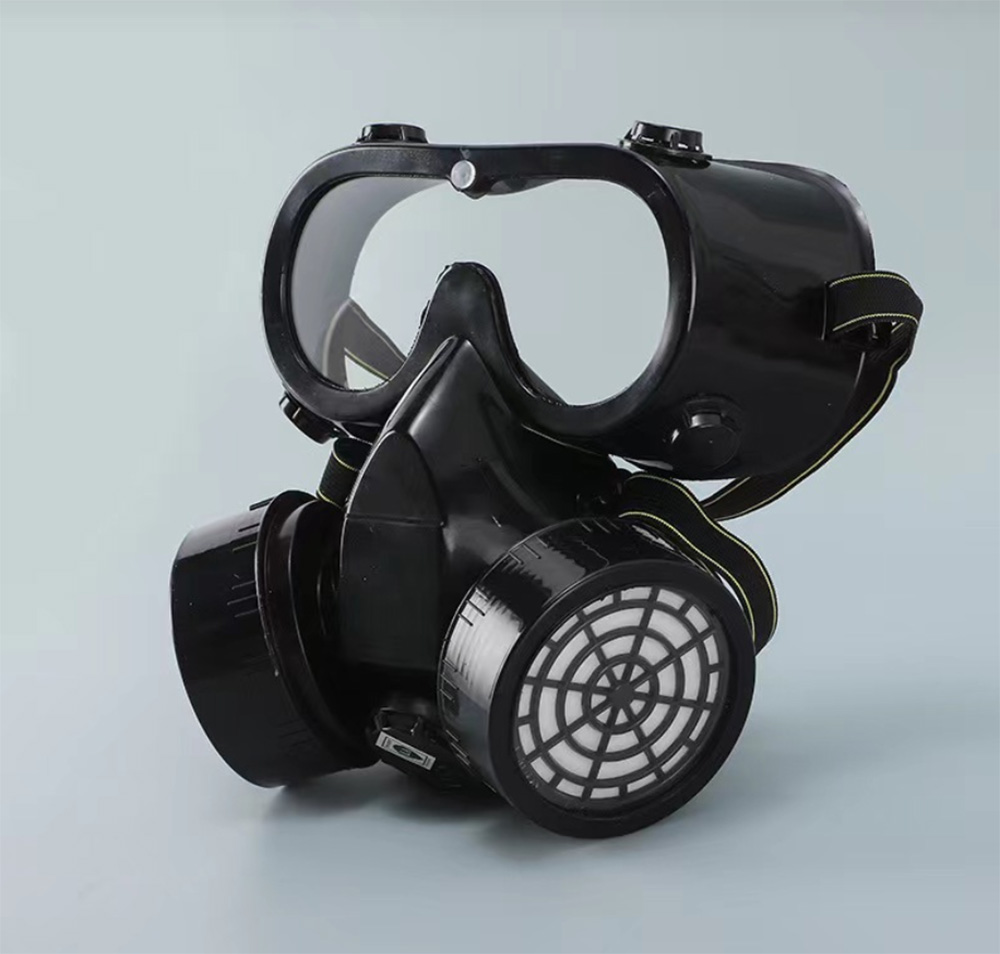
When a half mask respirator is adequate but not ideal — or when a full facepiece is insufficient — safety managers face a tougher question:
Should we invest in PAPR (Powered Air Purifying Respirator), or stick with half masks?
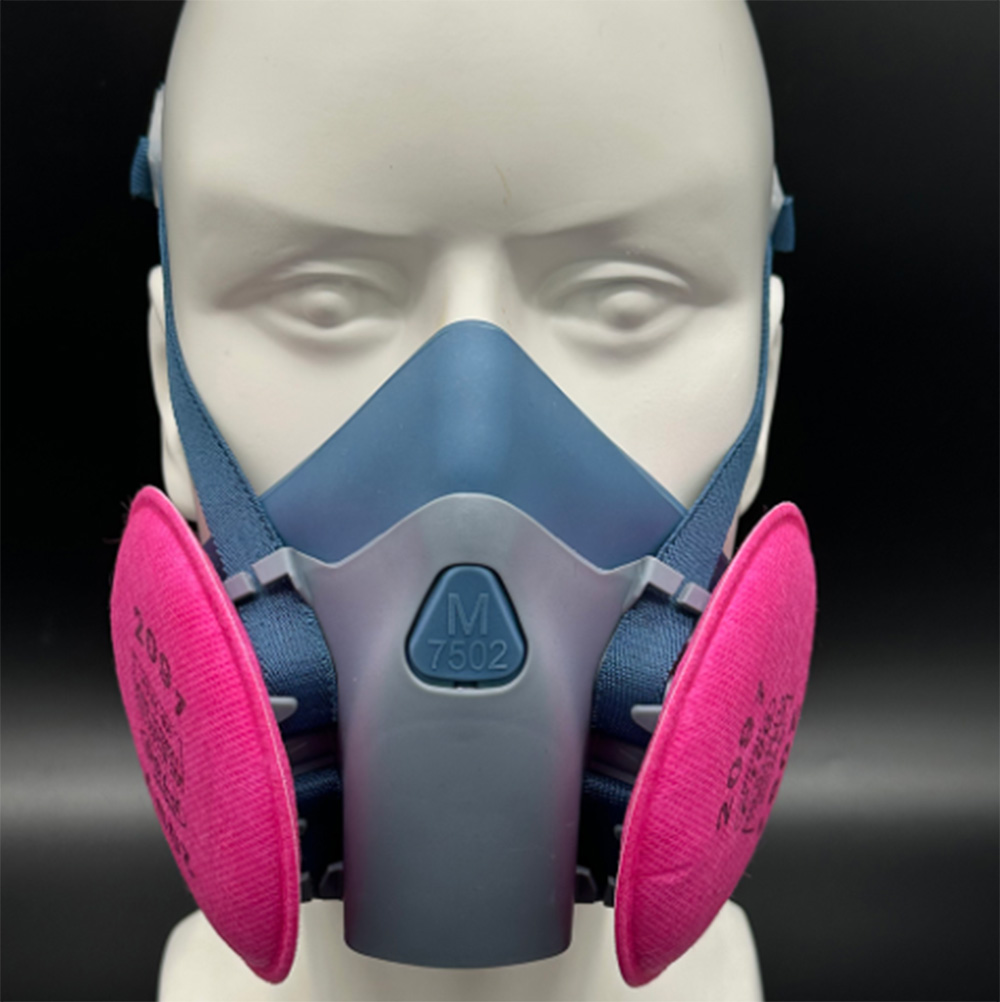
At Junsee Group, we see this decision play out daily. The choice is rarely obvious. Half masks are cheap and simple. PAPRs are expensive and complex. But the trade-off is not just about upfront dollars — it is about protection level, compliance, comfort, and long-term cost.
This article compares half mask vs PAPR across every dimension that matters — helping you decide where your workplace should invest.
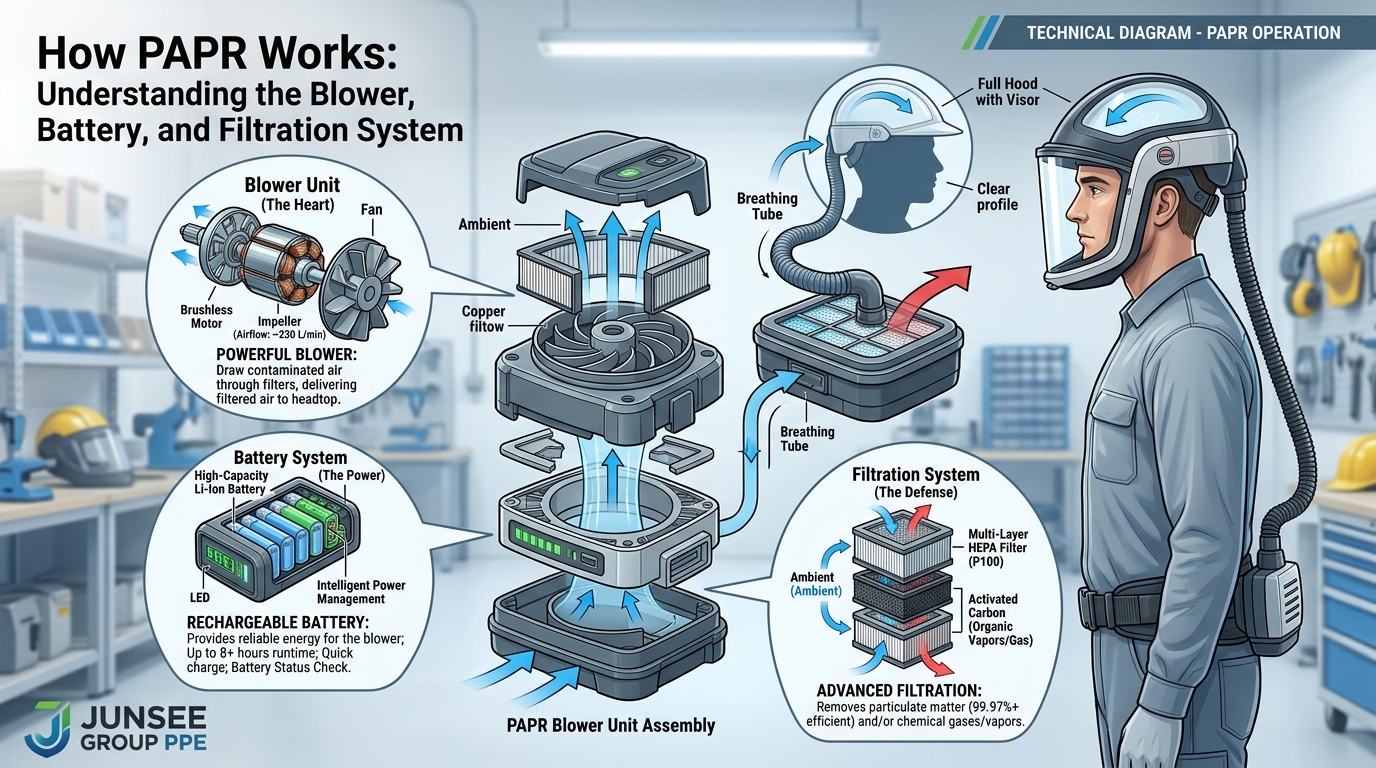
Part 1: The Fundamental Difference — How They Work
Before comparing costs and protection, understand the basic operational difference between these two solutions.
✅ Junsee Group takeaway: The core trade-off is simple — half masks cost less but provide APF 10 protection and require annual fit testing. PAPRs cost more but provide higher APF, eliminate fit testing, and accommodate facial hair.
Part 2: Protection Level — The APF Gap
The Assigned Protection Factor (APF) tells you how much a respirator reduces contaminant concentration .
What This Means in Practice
| Outside Concentration | Half Mask (APF 10) Inside | PAPR (APF 50) Inside | PAPR (APF 1,000) Inside |
|---|---|---|---|
| 100 ppm | 10 ppm | 2 ppm | 0.1 ppm |
| 500 ppm | 50 ppm | 10 ppm | 0.5 ppm |
| 1,000 ppm | 100 ppm | 20 ppm | 1 ppm |
✅ Junsee Group takeaway: A half mask is only adequate when the airborne contaminant concentration is no more than 10x the permissible exposure limit (PEL). If your hazard concentration exceeds 10x PEL, a half mask is not sufficient — you need PAPR or a full facepiece (APF 50) at minimum .
Part 3: Cost Comparison — Upfront and Recurring
Let us compare costs using data from EPA respiratory protection cost analyses, which provide a realistic view of workplace PPE economics.
EPA Estimated Unit Costs (2024 TSCA Analysis)
Annualized Cost (Per Worker)
| Cost Type | Half Mask | PAPR (Full Face) | PAPR (Hood) |
|---|---|---|---|
| Equipment amortization | ~$7/year | ~$459/year | ~$425/year |
| Recurring (filters/maintenance) | ~$7/year | ~$1,125/year | ~$1,091/year |
| Total annual cost (equipment + filters) | ~$14/year | ~$1,584/year | ~$1,516/year |
✅ Junsee Group takeaway: PAPR costs roughly 100x more per year than a half mask in equipment and filter costs alone. This does not include the fit testing savings for PAPR (which are significant).
The Hidden Cost: Fit Testing Program
| Cost Factor | Half Mask | PAPR |
|---|---|---|
| Annual fit testing (per worker) | $50–$150 | $0 (for loose-fitting hoods) |
| Administrative burden | Moderate to high | Low |
For a workplace with 50 workers, annual fit testing costs can reach $2,500–$7,500 — costs that PAPR eliminates entirely.
Baseline Industry Usage (Manufacturing Sector)
EPA data shows that in the manufacturing sector :
38.6% of establishments using respirators use APR half masks (APF 10)
3.2% use PAPR half masks (APF 50)
7.7% use PAPR helmet/hood (APF 1,000)
4.6% use PAPR full facepiece (APF 1,000)
Half masks remain the dominant choice — primarily due to cost.
Part 4: Comfort and User Experience
✅ Junsee Group takeaway: For workers doing heavy physical work in hot environments, PAPR provides dramatically better comfort — no breathing resistance and cooling airflow. For light work in climate-controlled environments, half masks are adequate and much simpler.
Part 5: Key Decision Factors
When to Choose Half Mask
When to Choose PAPR
Part 6: The Compliance Factor
✅ Junsee Group takeaway: The most overlooked advantage of PAPR is eliminating fit testing. For high-turnover workplaces, this administrative saving can be substantial.
Part 7: The Side-by-Side Comparison
Part 8: Real-World Examples
Example 1: Manufacturing Plant — Nuisance Dust
| Factor | Assessment |
|---|---|
| Hazard | Wood dust, concentration <10x PEL |
| Workers | Clean-shaven, stable workforce |
| Budget | Tight |
| Recommendation | Half mask |
| Rationale | APF 10 adequate. Lower cost. Simple program. |
Example 2: Pharmaceutical Manufacturing — Potent APIs
| Factor | Assessment |
|---|---|
| Hazard | Potent drug powder, OEL <1 µg/m³, concentration >50x PEL |
| Workers | Mixed, some with facial hair |
| Budget | Moderate |
| Recommendation | PAPR with full facepiece or hood |
| Rationale | APF 1,000 required. Half mask insufficient. Fit testing not needed with hood. |
Example 3: Healthcare — Tuberculosis Isolation
The Junsee Group Takeaway
The bottom line: Half masks and PAPRs serve different purposes. Half masks are the cost-effective workhorse for low-to-moderate hazards. PAPRs are the high-performance upgrade for high-hazard, high-heat, or hard-to-fit workers. The trade-off is real — but when your hazard concentration demands APF >10, the cost comparison becomes irrelevant .
At Junsee Group, we supply both half masks and PAPRs because we understand that different workplaces have different needs. We help customers choose based on their hazard assessment, workforce characteristics, and budget — not just the equipment spec sheet.
Need help deciding between half masks and PAPRs for your workforce?
Contact Junsee Group today. We will review your hazard assessment, calculate required APF, and help you make the right trade-off decision for your specific workplace.
Your email address will not be published. Required fields are marked