
This is one of the most dangerous misunderstandings in workplace safety.
A worker picks up a dust mask – the comfortable, lightweight kind used for sawdust or pollen. Then they walk into an area with paint fumes, solvent vapors, or chemical gases. They believe the mask on their face is protecting them.
It is not.
At Junsee Group, we have seen this respiratory protection misconception lead to hospital visits, permanent lung damage, and near-misses that should never have happened.
Let us state this clearly: A dust mask cannot stop toxic gases or chemical vapors.
Here is why – and how to choose the right protection instead.
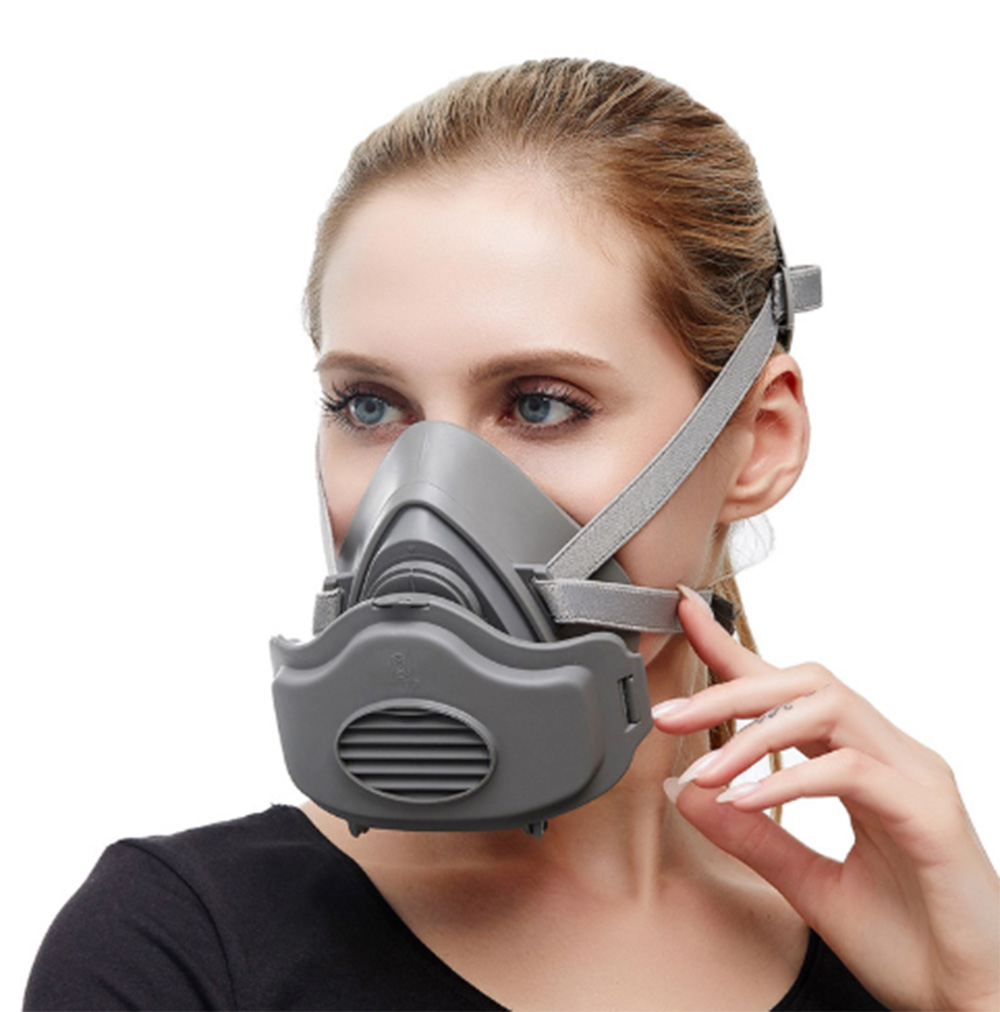
The confusion is understandable. Both cover the nose and mouth. Both look similar. But inside, they are completely different.
| Feature | Dust Mask (Filtering Facepiece) | Gas/Vapor Respirator |
|---|---|---|
| What it stops | Solid particles only (dust, pollen, dry powder, some mist) | Gases, vapors, chemicals |
| Filter type | Mechanical/electrostatic (particulate filter) | Chemical adsorption (activated carbon) |
| Protection mechanism | Physically traps solid particles | Chemically absorbs gas molecules |
| Example uses | Wood dust, grain dust, drywall sanding | Paint fumes, solvent vapors, chlorine gas |
| Does it stop toxic gases? | NO | YES |
The question can dust mask stop toxic gases has one answer: Absolutely not.
To understand this, think of the difference between a sieve and a sponge.
| Sieve (Dust Mask) | Sponge (Gas Mask) | |
|---|---|---|
| Works like | Physical mesh | Chemical absorber |
| Catches | Solid particles larger than mesh holes | Gas molecules that stick to carbon |
| Gas molecules pass through? | Yes – they are too small | No – they get trapped |
Gas molecules are thousands of times smaller than dust particles. A P3 filter (the highest rating for particulates) stops 99.95% of solid particles down to 0.1 microns. But gas molecules are 0.0001 microns or smaller. They pass right through a particulate filter as if it were not there.
Junsee Group emphasizes: A dust mask vs respirator is not a matter of quality – it is a matter of different technology for different hazards.
Here are real situations where workers mistakenly used dust masks for gas hazards – with dangerous consequences.
| Scenario | Worker Used | Actual Hazard | Result |
|---|---|---|---|
| Painting with solvent-based paint | N95 dust mask | Xylene and toluene vapors | Dizziness, nausea, collapse |
| Cleaning with bleach and ammonia | Disposable dust mask | Chloramine gas | Severe respiratory burns |
| Applying pesticide in a greenhouse | Dust mask (for pollen) | Organophosphate vapors | Hospitalization |
| Welding galvanized metal | Dust mask (for dust) | Zinc oxide fumes + gases | Metal fume fever |
In every case, the worker believed they were protected. They were not.
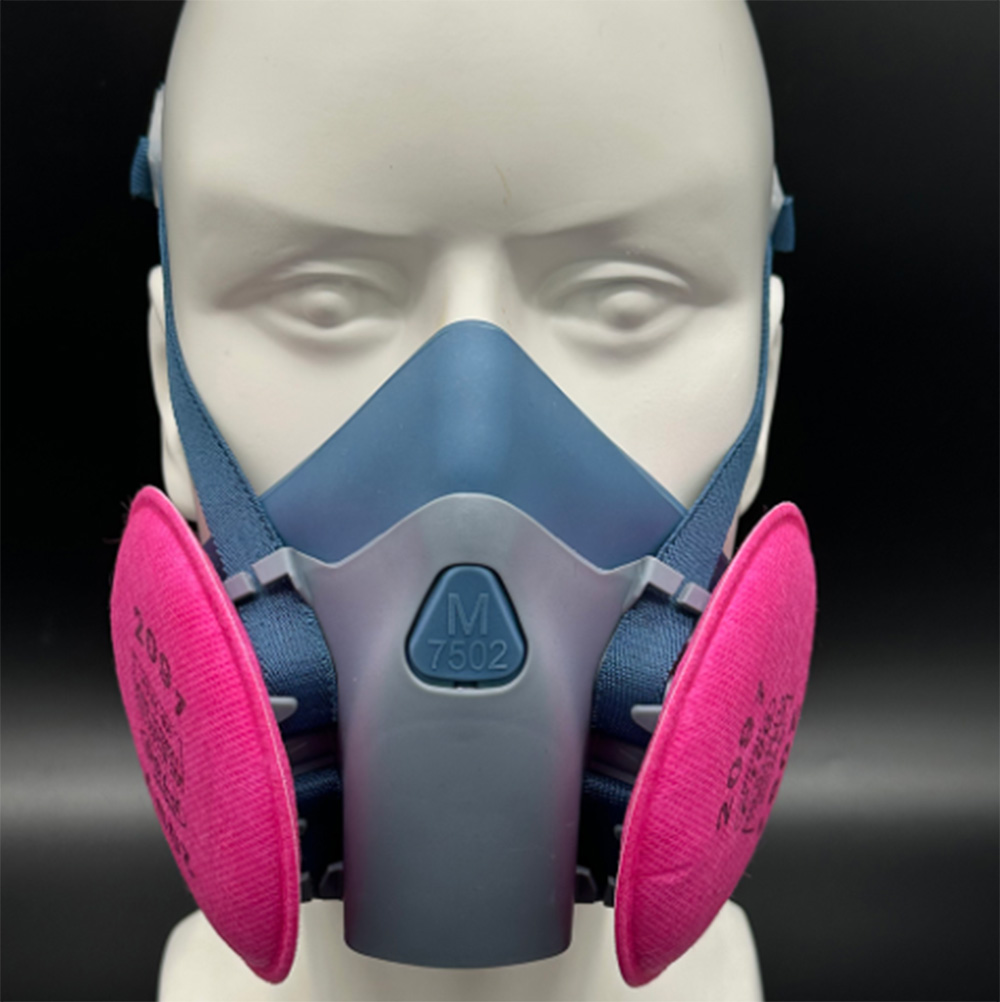
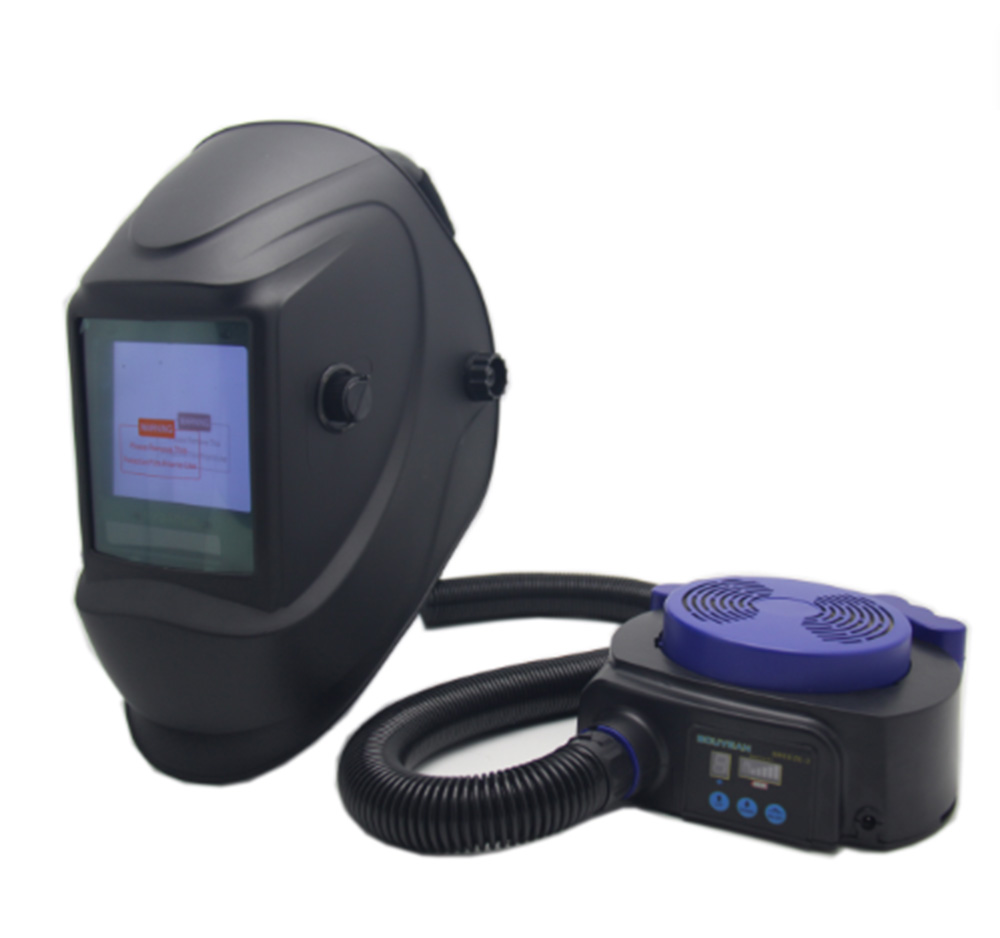
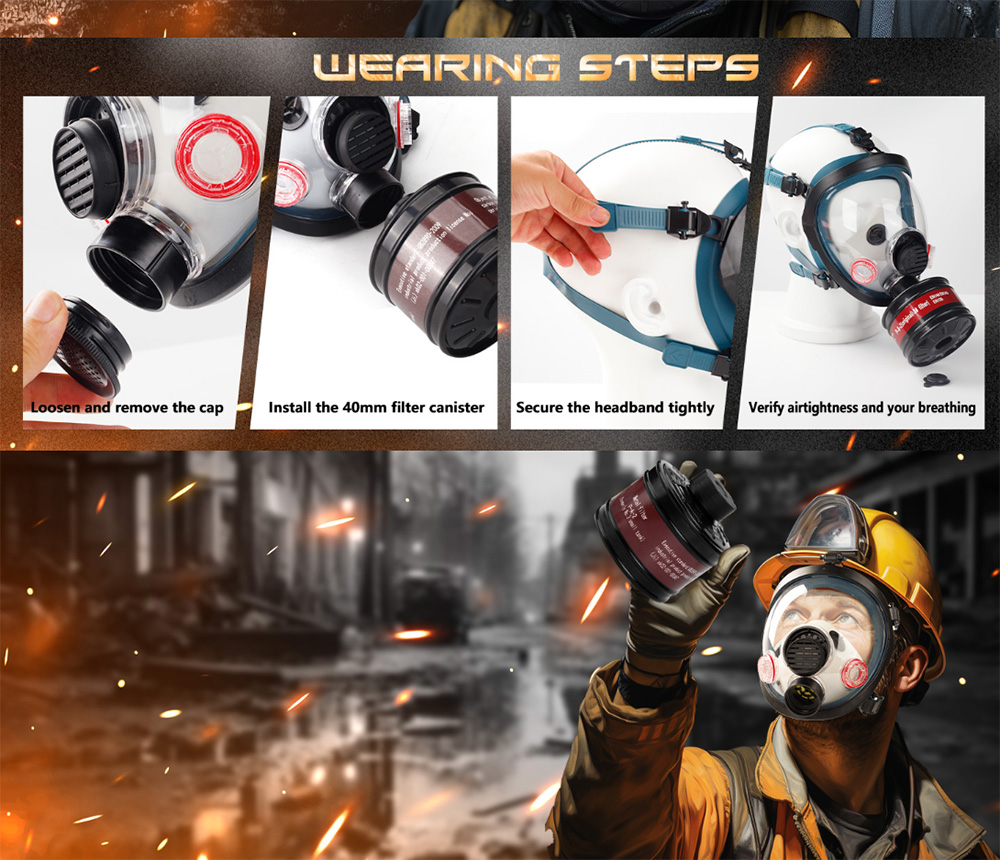
To protect against toxic gases, chemical vapors, and organic solvents, you need a gas mask or a combination respirator that includes activated carbon.
| Feature | Description |
|---|---|
| Filter type | Activated carbon cartridge (may also include chemical absorbents) |
| How it works | Gas molecules stick (adsorb) to the surface of carbon granules |
| Color coding (EN) | Brown = organic gases/vapors, Grey = acid gases, Yellow = organic + acid |
| Lifespan | Limited – carbon becomes saturated. Replace when you smell/taste the gas. |
For workplaces with both dust and gas hazards (common in many industries), you need a combination filter:
A2P3 = Organic vapors + high-efficiency particulate filter
ABEK1P3 = Multi-gas + particulate
✅ Junsee Group recommendation: If your workplace contains any chemical vapors, do not guess. Choose a combination respirator with activated carbon.
When selecting industrial respirator selection for your team, ask three questions:
| Hazard Type | Required Protection |
|---|---|
| Dust only (wood, grain, dry powder) | P1, P2, or P3 dust mask |
| Gas/vapor only (paint, solvent, chemical) | Gas cartridge respirator |
| Both dust + gas | Combination filter (e.g., A2P3) |
| Unknown or mixed | Combination filter (safest choice) |
P-series (P1/P2/P3) = Particulate ONLY. Does NOT stop gases.
A-series (A1/A2/A3) = Organic gases/vapors.
Combination (e.g., A2P3) = Gases + particulates.
Junsee Group warning: A mask labeled "P2" offers zero gas protection – no matter how expensive or comfortable it is.
The best respirator in the world fails if the worker does not understand its limitations. Training is not optional.
| Myth | Truth |
|---|---|
| "A good dust mask stops everything." | No. It only stops solid particles. |
| "If it fits tight, it blocks gases." | Fit affects seal, but gases still pass through the filter media itself. |
| "The charcoal layer in some dust masks works for gases." | Some dust masks have a thin carbon layer for nuisance odors (e.g., smoke). This is NOT rated for toxic gas protection. |
| "I can smell the gas, so the mask is working." | If you can smell it, the mask is NOT working. You should smell nothing. |
At Junsee Group, we manufacture and supply respiratory protection for real-world industrial hazards. Our approach:
✅ Clear labeling – Every product states exactly what it stops (and what it does not)
✅ Color-coded filters – Following EN standards for easy identification
✅ Combination options – For workplaces with multiple hazards
✅ Technical support – Helping customers select the right product for their specific airborne hazards
We also provide training materials to help safety managers communicate this critical difference to every worker.
Can a dust mask stop toxic gases?
No. Never. Not at all.
A dust mask protects against dust – and only dust. For toxic gases, chemical vapors, or solvents, you need a gas cartridge respirator or a combination respirator with activated carbon.
This is not a minor detail. This is a deadly PPE mistake that has sent too many workers to the hospital.
Junsee Group urges every safety manager, every supervisor, and every worker: Read the label. Know the hazard. Choose the right respirator. Your lungs depend on it.


Your email address will not be published. Required fields are marked