

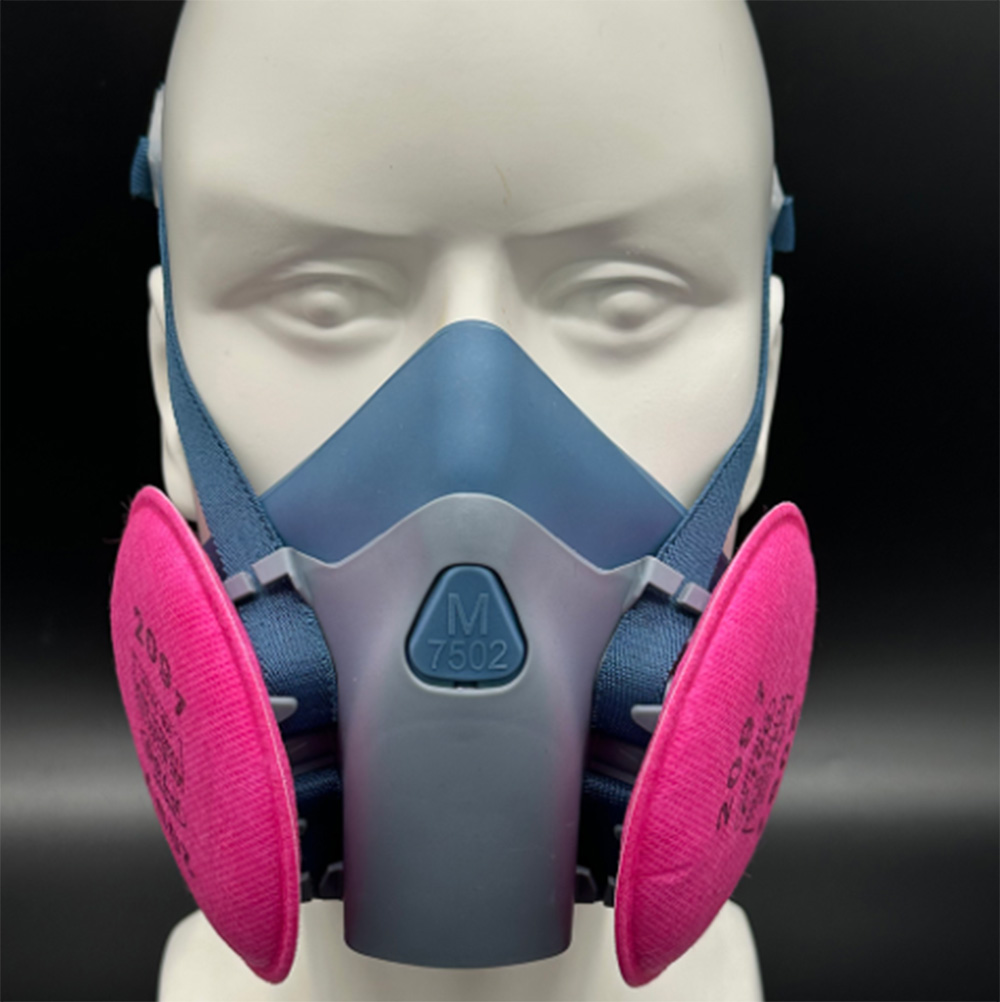

How to Use a Half Mask with Glasses? Junsee Group Recommends Wearing Tips and Precautions

blog-images

How to Use a Half Mask with Glasses? Junsee Group Recommends Wearing Tips and Precautions

  • admin
  • 2026/7/8
  • visits

One of the most common questions we hear at Junsee Group is: "Can I wear my prescription glasses with a half mask respirator?"

The short answer is yes—but with important conditions. Unlike full facepiece respirators where standard glasses are not allowed because they break the face seal , half masks leave the upper part of the face uncovered, making it possible to wear glasses as long as they do not interfere with the sealing surfaces or head straps .

This guide explains how to wear glasses with a half mask respirator safely, what to watch out for, and when you need alternative solutions.


Part 1: Can You Wear Glasses with a Half Mask?

Yes—with the right precautions.

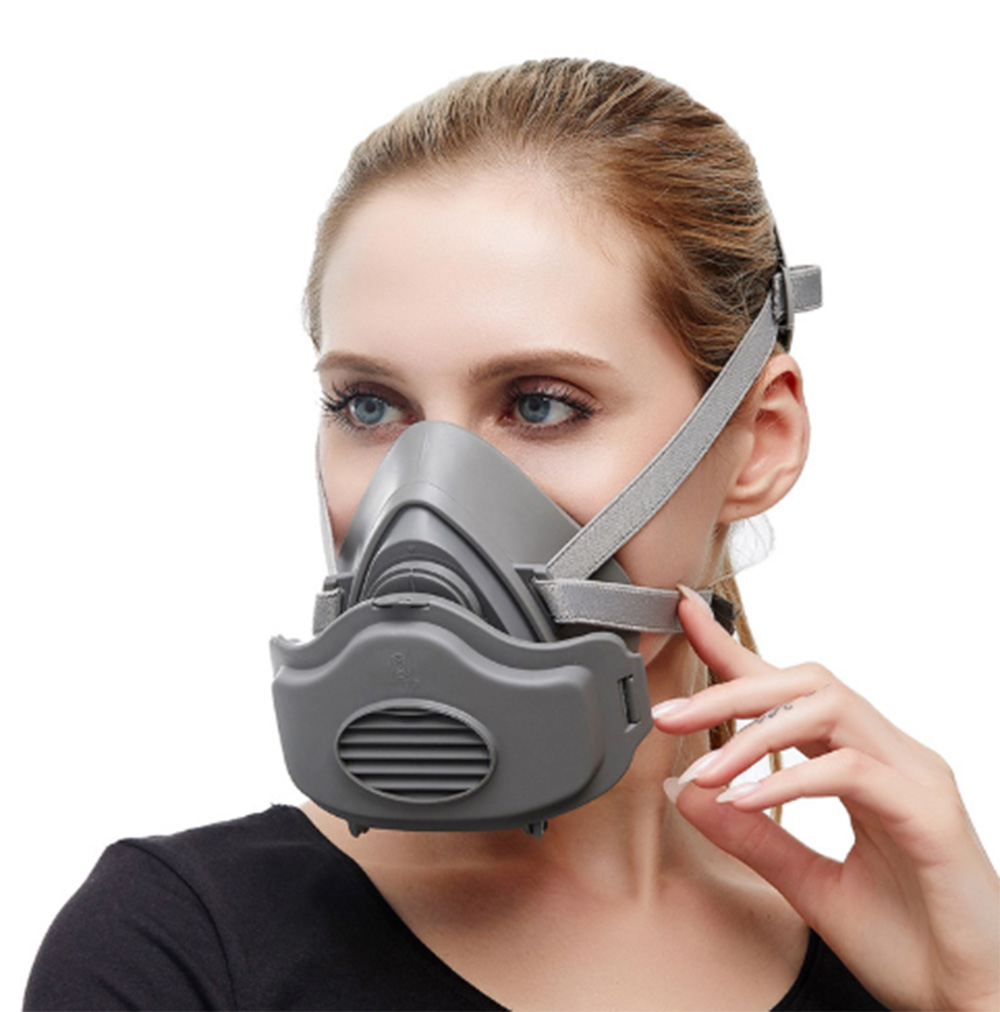
Half mask respirators cover only the nose and mouth. The sealing surface is limited to the nose bridge, cheeks, and chin. Since the eyes and upper face remain exposed, glasses temple bars generally do not cross the seal area .

However, you must ensure:

RequirementWhy It Matters
Glasses temple bars do not cross the sealThe seal area must remain unobstructed for proper fit 
Head straps are not displaced by glassesGlasses should fit outside or over the straps—not under them
Glasses do not push the respirator out of positionAny pressure on the facepiece can shift it and break the seal

Key Rule from U.S. Government Guidance

"If you will wear safety glasses in the workplace, you should wear them during the half-mask APR fit test. Always wear the temple bars of the glasses outside of the straps/headbands." 

Junsee Group takeaway: Always wear your glasses outside the head straps, not underneath them. This prevents the straps from pushing the glasses against the respirator seal.


Part 2: Tips for Wearing a Half Mask with Glasses

Tip #1: Choose the Right Half Mask Design

Some half mask models are specifically designed for compatibility with glasses. Look for these features:

FeatureBenefit
Low-profile face seal designPositions the seal lower on the nose bridge, giving glasses more room 
Wide field of viewAllows glasses to sit naturally without hitting the facepiece
Silicone materialMore flexible and forgiving when glasses are worn 

Example: The 3M HF-800 series features a "face seal design located lower on the nose bridge" to make it more convenient to wear glasses simultaneously .

Tip #2: Position Glasses Outside the Straps

DoDon't
Place glasses temple bars outside the head straps Put glasses under the straps—this pushes them against your face and can break the seal
Adjust straps after positioning glassesTighten straps first—glasses may displace the facepiece
Use glasses with straight or flexible templesUse glasses with thick temple bars that push against the seal area

Tip #3: Perform User Seal Checks with Glasses On

You must test the respirator seal with your glasses in place :

CheckHow to Perform
Positive pressureCover the exhalation valve, exhale gently—feel for pressure buildup and listen for leaks
Negative pressureCover filter cartridges, inhale gently—the facepiece should collapse and hold

If you detect leaks, reposition your glasses or adjust the straps. Never enter a contaminated area without a passing seal check.

Tip #4: Consider Safety Glasses or Goggles Instead of Prescription Glasses

In many industrial settings, workers need impact-rated eyewear. A half mask can be worn with:

  • Safety glasses (temple bars outside the straps)

  • Goggles that fit over the mask (some models integrate with half masks) 

Junsee Group tip: If you wear safety glasses in your workplace, they must be worn during the respirator fit test—never test the respirator alone and then add glasses later .


Part 3: When Glasses Become a Problem—and What to Do

Problem #1: Glasses Frames Are Too Thick

SolutionDescription
Choose thin-temple framesReduce interference with the head harness
Use a half mask with a lower nose bridge sealCreates more room for glasses
Switch to contact lensesRemoves the problem entirely

Problem #2: Glasses Fog Up

Glasses fogging can occur when warm exhaled breath escapes upward. Solutions:

SolutionHow It Works
Use anti-fog wipes or sprayTemporary fix for moisture
Ensure the respirator exhalation valve is workingImproper exhalation directs breath upward
Choose a half mask with downward-directed exhalation3M HF-800 series exhaled air is directed downward to reduce fogging 
Use a half mask with "grind mode" or lower profileSome masks allow more room for glasses

Problem #3: Glasses Displace the Respirator During Movement

Root CauseSolution
Head straps are too tightLoosen slightly—over-tightening can cause both discomfort and shifting
Straps and glasses are in conflictEnsure glasses are outside the straps; reposition if needed
Incorrect mask sizeUse the correct size (S, M, L) for your face shape 

Junsee Group tip: Perform the user seal check after any head movement (talking, turning head, bending over) to ensure the seal is maintained with glasses in place.


Part 4: What About Prescription Lens Inserts?

For some applications—especially when using a half mask that does not accommodate glasses well—a prescription lens insert may be the answer.

FeatureDescription
What it isA frame that mounts inside the mask, holding prescription lenses 
When to useWhen glasses cannot be worn outside the straps, or when the seal is compromised
CostFrame + prescription lenses, varies by manufacturer

Example: Some half masks offer an optional prescription lens insert. You bring the insert to your optician to have your prescription lenses fitted .


Part 5: Half Mask vs Full Facepiece for Glasses Wearers

SolutionGlasses CompatibilitySeal Protection
Half mask + glasses✅ Can work—temple bars outside the strapsAPF 10
Half mask + gogglesLimited—goggles may not fit over all glassesAPF 10 + eye protection
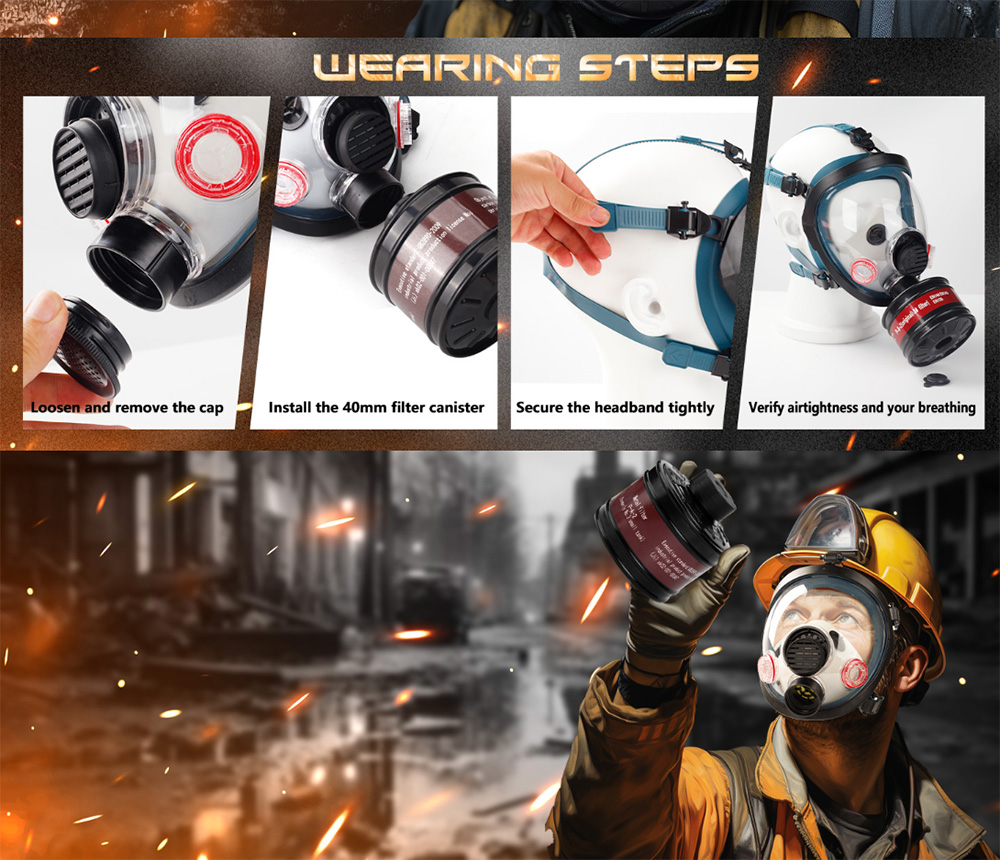
Full facepiece + glasses❌ Standard glasses not allowed—they break the seal APF 50
Full facepiece + spectacle insert✅ Prescription lenses mounted inside the maskAPF 50

Junsee Group takeaway: For glasses wearers who need high protection (APF 50), full facepiece with spectacle insert may be required. For APF 10 applications, a half mask with proper glasses positioning can be a practical solution.


Summary: Glasses + Half Mask Quick Reference

RequirementAction
Position glassesWear temple bars outside the head straps 
Perform seal checkTest seal with glasses on, before entering contaminated area
Choose compatible designSelect a half mask with low nose bridge seal for more glasses room 
Consider safety glassesAlways wear them during fit testing
Use insert if neededFor specialized applications, consider prescription lens inserts

The Junsee Group Takeaway

Key PrincipleWhy It Matters
Glasses can be worn with half masks if positioned correctlyTemple bars must be outside the straps 
Always test the seal with glasses onThe fit test must reflect actual workplace conditions
Choose a mask designed for glasses compatibilityLow-profile designs create more room
Consider inserts for full facepiecesStandard glasses are not allowed with full facepieces 

The bottom line: Wearing glasses with a half mask respirator is possible—but it requires careful positioning, seal checking, and the right mask design. Never assume the seal is good with glasses on. Test it every time.

At Junsee Group, we offer half masks designed for glasses compatibility and can help you select the right solution for your workplace.


Leave Comment

Your email address will not be published. Required fields are marked

Verification code: 验证码