
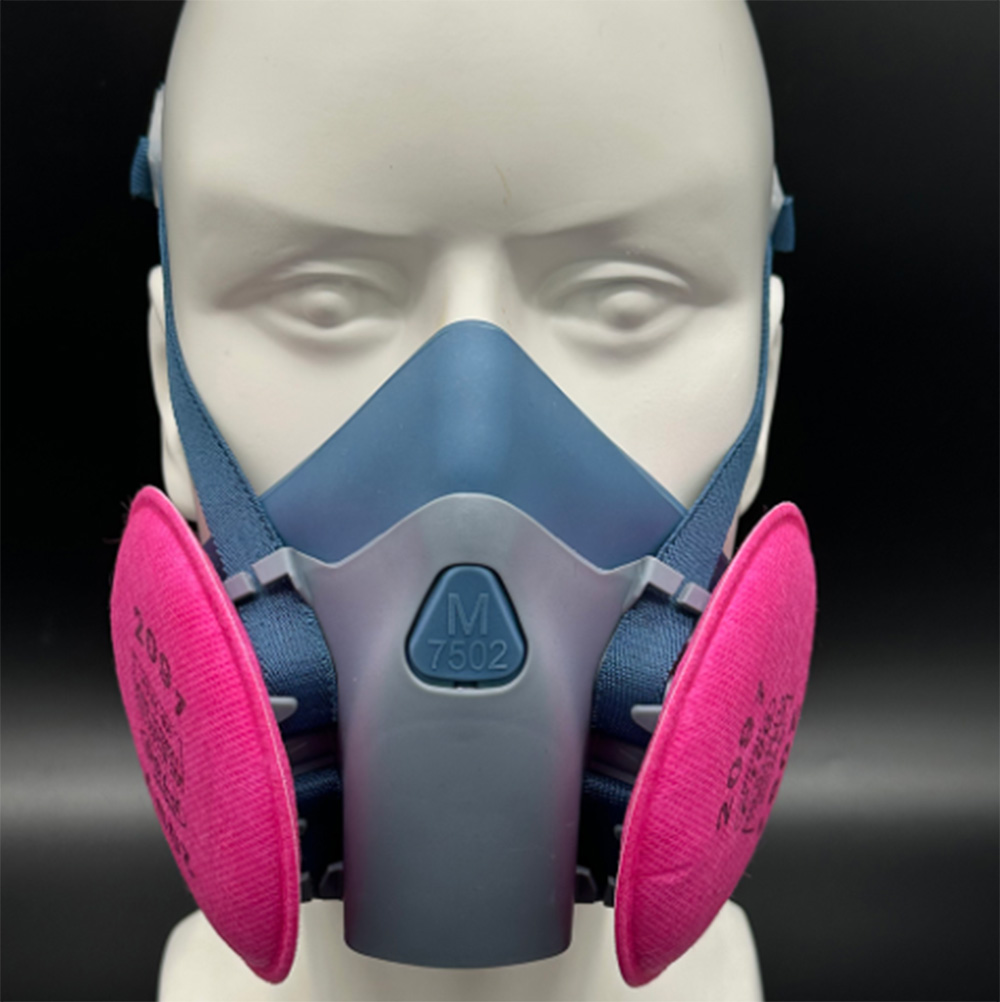
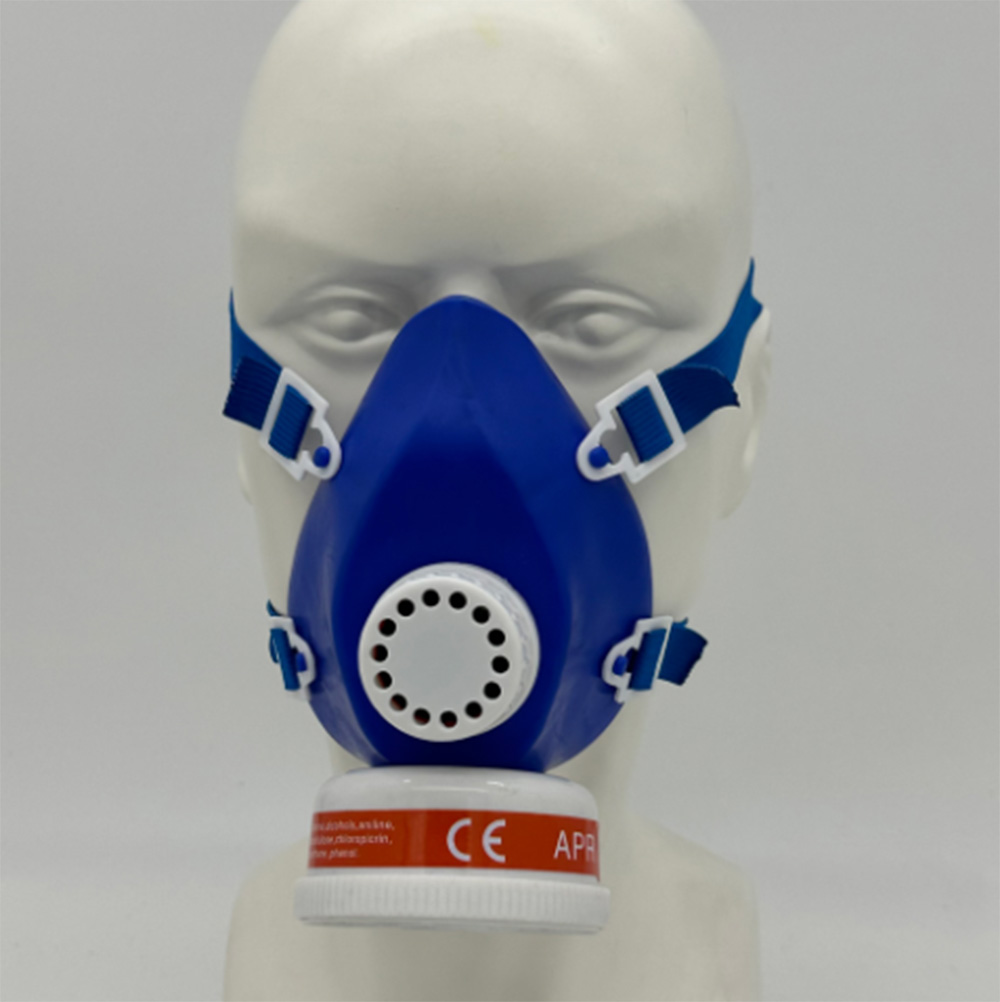
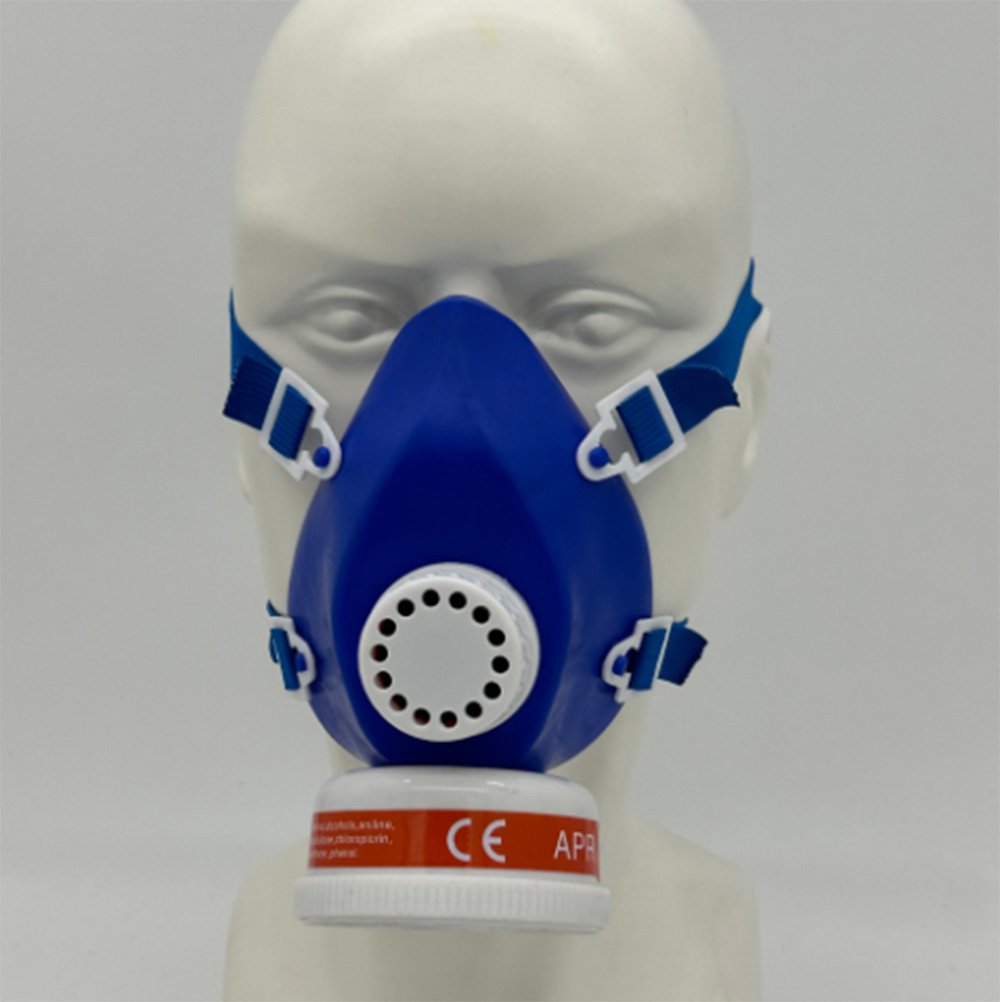
At first glance, two half mask respirators may look nearly identical. But look closer at the material, and the differences are striking.
Silicone and rubber (also called standard elastomeric or natural rubber) are the two most common materials for reusable half mask facepieces. Both meet safety standards. Both accept the same filters. But in terms of comfort, durability, and cost, they are worlds apart.
At Junsee Group, we help customers choose the right respirator material for their workforce. This guide compares silicone vs rubber half masks across every dimension that matters—so you can make the right choice for your workers and your budget.
Comfort is not a luxury—it is a safety requirement. Workers who are uncomfortable will remove their respirators, loosen straps, or find excuses to leave the work area.
Silicone is known for being extremely soft and highly elastic, conforming closely to facial contours to minimize pressure marks during prolonged wear . Many users report that silicone masks provide a superior face seal without needing to overtighten straps, reducing pressure points and slippage .
Standard elastomeric masks are less flexible and not as soft as silicone . They can feel more rigid on the face and may not be as comfortable for long shifts . The stiffer material can cause pressure marks and discomfort over time .
| Comfort Factor | Rubber Performance |
|---|---|
| Softness against skin | Moderate to poor — stiffer material |
| Flexibility | Less flexible; may not conform well to all face shapes |
| Pressure points | More likely — rigid material creates uneven pressure |
| Breathability | Similar to silicone in design, but material traps more heat |
✅ Junsee Group takeaway: For workers who wear respiratory protection for 4+ hours daily, silicone is the clear winner for comfort .
Durability matters because a facepiece that fails mid-shift is a safety failure. Also, longer lifespan means lower long-term cost.
Silicone is highly durable. It resists aging, cleaning chemicals, and extreme temperatures . You can use it day after day without losing performance . Its typical lifespan is 3-5+ years—2-3 times longer than rubber .
Rubber facepieces are prone to hardening, cracking, or degradation, especially when exposed to oils, solvents, or harsh cleaning chemicals . Typical lifespan is 1-2 years .
✅ Junsee Group takeaway: While silicone costs more upfront, its longer lifespan often makes it more cost-effective over time than rubber .
The seal between the respirator and the face determines protection. Both materials can seal well, but they perform differently across face shapes.
Silicone's high elasticity allows it to conform closely to facial contours . This can provide a superior face seal without overtightening straps . However, silicone requires precise sizing—one-size-fits-all models risk leakage .
Rubber's harder material provides strong initial sealing, especially for users with flatter facial profiles . However, the stiffer material may not adapt as well to different face shapes over time, especially as it ages and hardens .
Research note: One study comparing silicone vs natural rubber facepieces found that silicone provided significantly greater fit factors, though the variability of fit factors for silicone was also higher .
✅ Junsee Group takeaway: Both materials can achieve a good seal when properly fitted. However, silicone's flexibility makes it more forgiving across different face shapes .
For workers with sensitive skin or allergies, material choice matters.
✅ Junsee Group takeaway: For workers with skin sensitivities or those working in high-heat environments, silicone is the safer choice .
✅ Junsee Group takeaway: While silicone costs more upfront, its longer lifespan and better durability often make it more economical over 5 years than rubber .
| Key Principle | Why It Matters |
|---|---|
| Silicone is the comfort leader | Soft, flexible, hypoallergenic—ideal for daily use |
| Rubber is the budget choice | Lower upfront cost—suitable for short-term use |
| Durability drives long-term value | Silicone lasts 2-3x longer than rubber |
| Chemical exposure matters | Rubber degrades in oils/solvents; silicone resists them |
| Skin sensitivity is real | Silicone is hypoallergenic; rubber may irritate some users |
The bottom line: The choice between silicone and rubber half masks is not just about price—it is about comfort, durability, and the specific demands of your workplace. For workers who wear respirators daily, silicone is the gold standard. For short-term, low-risk, or budget-constrained applications, rubber may be adequate.
At Junsee Group, we offer both silicone and rubber half masks in multiple sizes—so you can choose the right material for your workforce and your budget.
Need help choosing between silicone and rubber half masks for your workplace?
Contact Junsee Group today. We will help you evaluate your shift length, hazard type, and budget—and recommend the right material for your workers.



Your email address will not be published. Required fields are marked