How to Clean a Half Mask After Use? Junsee Group Provides Daily Maintenance and Disinfection Steps

blog-images

How to Clean a Half Mask After Use? Junsee Group Provides Daily Maintenance and Disinfection Steps

  • admin
  • 2026/7/10
  • visits

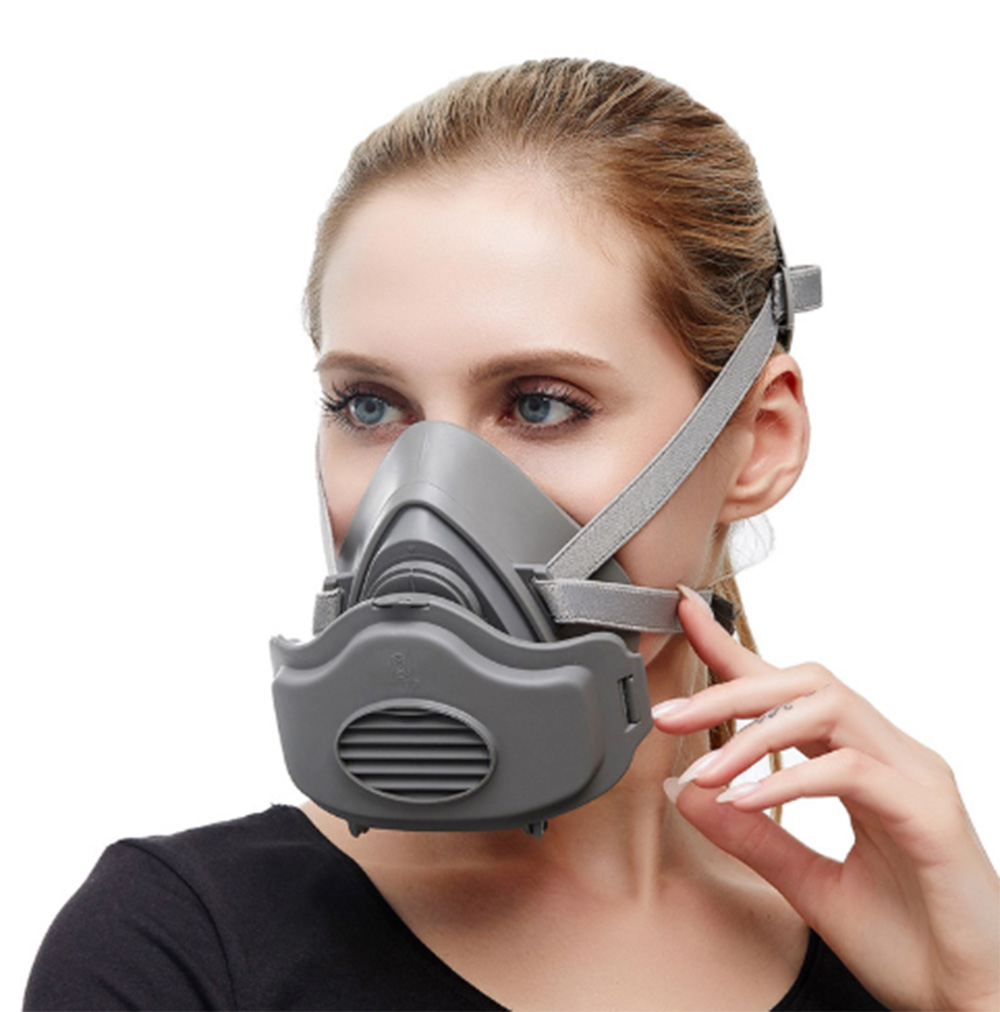
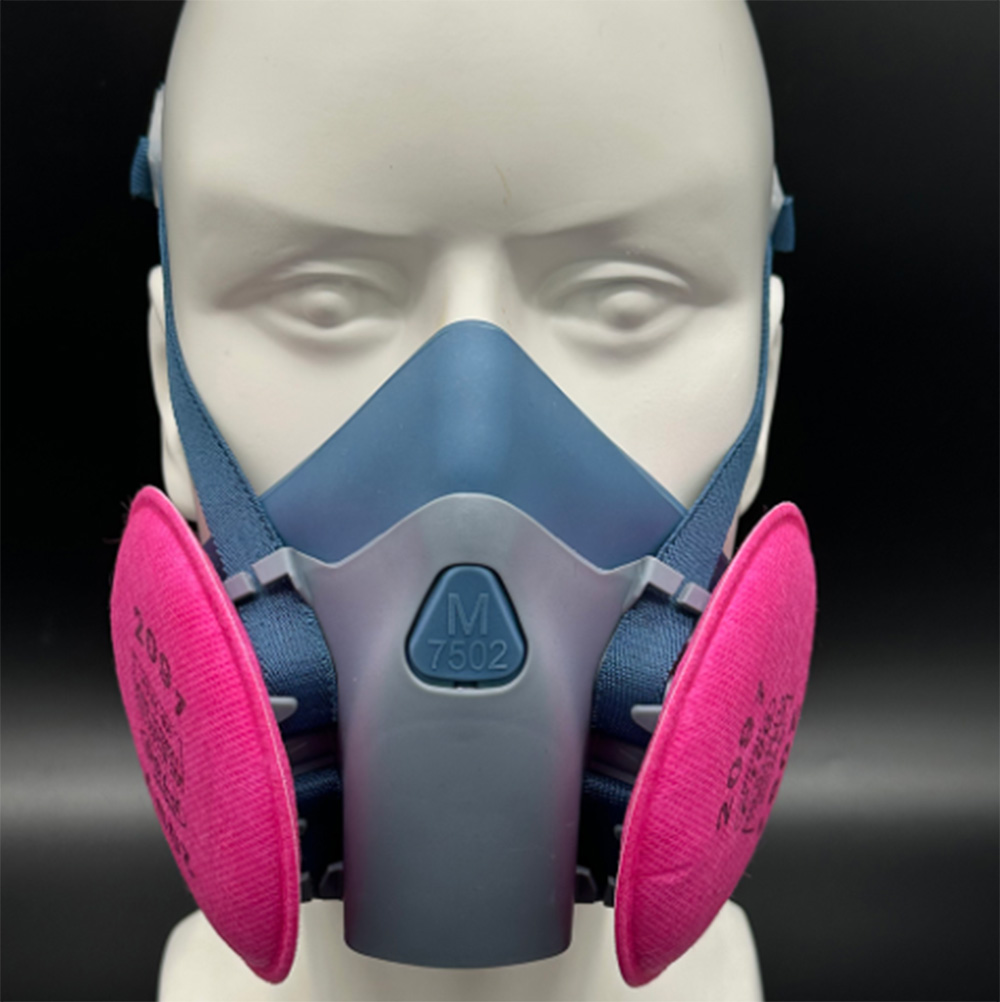
A half mask respirator is a significant investment in worker safety. Unlike disposable N95 masks, reusable elastomeric half masks are built to last—but only if they are properly cleaned and maintained.

A dirty respirator is not just unpleasant. It can become a fomite—an object that carries and transfers hazardous substances, exposing the wearer to harmful chemicals, dust, or infectious agents . A damaged component, unnoticed during inspection, can compromise the seal and put the user at risk .

At Junsee Group, we believe that proper maintenance is not optional—it is essential. This guide provides daily cleaning and disinfection steps for half mask respirators, based on recognized industry and regulatory procedures.


Before You Start: Critical Safety Warnings

WarningWhy It Matters
Never submerge or wet filter cartridgesFilters and cartridges must NOT get wet, or they will not work properly . Water damages the filtration media and renders them useless .
Always remove cartridges before cleaningThe first step of any cleaning procedure is to remove filters, cartridges, and canisters .
Do not use solvents or harsh chemicalsSome disinfectants can cause deterioration of rubber or corrosion of metal parts .
Follow manufacturer instructionsAlways prioritize the manufacturer's guidance included with your respirator packaging .

Junsee Group critical rule: The facepiece can be washed. The filters inside the cartridges cannot be washed. Keep them completely dry.


Daily Cleaning & Disinfection Steps

The following procedure is based on OSHA's mandatory cleaning guidelines, as well as detailed protocols from health authorities and government agencies .

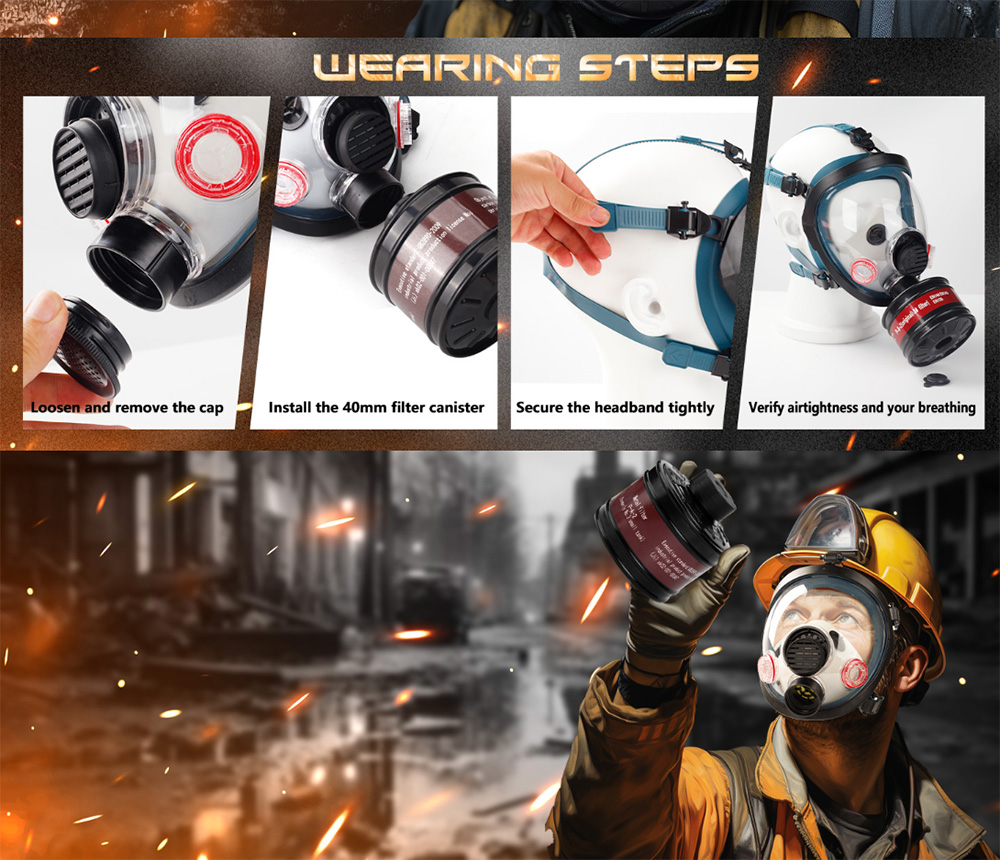
Step 1: Disassemble the Respirator

ActionWhy
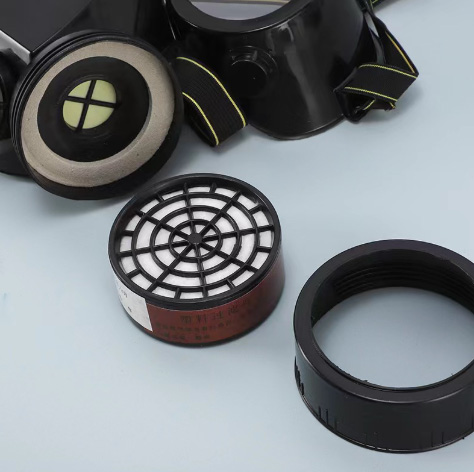
Remove the filter cartridges (turn counter-clockwise). Do not get them wet.Filters cannot be cleaned or wet. Store them separately in a clean, sealed plastic bag .
Detach the headband assembly, exhalation valve guard, and any other components recommended by the manufacturer .Allows thorough cleaning of all surfaces and inspection of individual parts.

Step 2: Wash Components

ActionDetail
Prepare warm water (43 °C / 110 °F maximum) with a mild detergent or cleaner recommended by the manufacturer .Avoid harsh or abrasive cleaners.
Wash the facepiece and other washable components in the solution.Use a soft bristle brush (not wire) to scrub away dirt .
Do not immerse the exhalation valve unnecessarily.Gentle cleaning helps avoid damaging the valve flap.

Junsee Group tip: For monthly deep cleaning, the BC Cancer procedure recommends soaking the disassembled facepiece and headband in warm detergent water for two minutes before scrubbing .

Step 3: Disinfect

If your detergent does not contain a disinfecting agent, you must disinfect the respirator components.

Disinfectant OptionPreparation
Bleach solutionAdd approximately 1 milliliter of laundry bleach to 1 liter of water at 43 °C (110 °F) to create a 50 ppm chlorine solution .
Iodine solutionAdd approximately 0.8 milliliters of tincture of iodine to 1 liter of water at 43 °C (110 °F) .
Commercially available disinfectant wipesUse wipes containing hydrogen peroxide, or a combination of quaternary ammonium compounds (QACs) and alcohol, as they have been shown to be effective .

Research-backed recommendation: A study published by the National Institutes of Health found that hydrogen peroxide disinfectant wipes, when used in a laboratory setting and by volunteers, reduced bacteria and viruses on elastomeric respirators by 3 to 4 log10 on average, making them a valid alternative to liquid disinfection .

Step 4: Rinse Thoroughly

ActionWhy
Rinse components thoroughly in clean, warm (43 °C / 110 °F maximum) running water .Detergent or disinfectant residue left on the facepiece can cause dermatitis and may degrade rubber components over time .

Step 5: Dry Components

ActionWhy
Air-dry components or hand-dry with a clean, lint-free cloth .Do not reassemble until all parts are completely dry.

Step 6: Inspect Components

Before reassembling, inspect each component for damage :

ComponentWhat to Check
FacepieceTears, holes, cracks, or stiff/deformed material .
Head strapsOver-stretching, rips, or damage. Check the plastic strap closure .
ValvesEnsure the exhalation and inhalation valves are clean and lying flat across the opening. Check that the plastic covers are not cracked or brittle .
Cartridge connectorsEnsure threads are undamaged and seals are intact .

Replace any damaged components immediately. 

Step 7: Reassemble & Store

ActionWhy
Reassemble the facepiece, replacing filters and cartridges where necessary .Ensure all components are properly installed.
Store the respirator (with cartridges removed) in a clean, sealed plastic bag labeled with the user's name .Protects the respirator from contamination and damage.
Store cartridges separately in a clean, sealed plastic bag .Prevents the cartridges from absorbing ambient vapors.

Quick Reference: Half Mask Maintenance Summary

StepAction
Before cleaningRemove filter cartridges and disassemble the facepiece .
WashUse warm water with mild detergent; scrub with soft brush .
DisinfectUse bleach solution (50 ppm), iodine solution, or approved disinfectant wipes .
RinseRinse thoroughly with clean water to remove residue .
DryAir-dry or dry with a lint-free cloth .
InspectCheck facepiece, straps, valves, and connectors for damage .
StoreStore disassembled in clean, sealed plastic bags .

Monthly Deep Cleaning (Recommended)

In addition to daily cleaning, a more thorough monthly cleaning is recommended:

  1. Fully disassemble the respirator: remove the headband assembly, valve guard, and valves .

  2. Wash the components in warm, mild detergent water, using a soft bristle brush to scrub all surfaces .

  3. Soak the components for two minutes in the detergent solution to ensure thorough cleaning .

  4. Rinse, disinfect, and air-dry following the same steps as daily cleaning .


The Junsee Group Takeaway

Key PrincipleWhy It Matters
Clean after every usePrevents cross-contamination and extends component life .
Never wet filtersWater destroys the filtration media—the cartridge and filter must NOT get wet .
Disassemble before cleaningEnsures all surfaces and crevices are cleaned and inspected .
Inspect before reassemblyCatches damage before it becomes a hazard .
Use approved disinfectantsProtects the respirator material and the user's skin .

The bottom line: A clean half mask is a working half mask. A working half mask is a life-saving half mask. Take the few minutes required for proper cleaning and disinfection after each use—your workers' health depends on it.

At Junsee Group, we provide:

  • ✅ Half mask respirators with clear cleaning instructions

  • ✅ Replacement parts (valve flaps, head straps, cartridges)

  • ✅ Maintenance training and technical support


Need replacement filters, cleaning supplies, or maintenance guidance for your half mask program?
Contact Junsee Group today. We stock genuine parts and provide technical support to keep your respirators operating safely—shift after shift.

Leave Comment

Your email address will not be published. Required fields are marked

Verification code: 验证码