

How to Choose the Right Powered Air Purifying Respirator (PAPR) for Your Workplace Hazards
A Comprehensive Technical Standard Selection Protocol by Junseegroup — Professional PPE Solutions Expert
Executive Summary
In high-hazard occupational environments—such as pharmaceutical synthesis, chemical compounding, heavy metal welding, and biological remediation—traditional negative-pressure respirators frequently reach their operational limitations. When air contaminants approach critical exposure thresholds, a Powered Air Purifying Respirator (PAPR) becomes an essential engineering control. PAPR systems use a motorized blower to force ambient air through high-efficiency filtration elements, delivering a constant stream of clean air to the wearer's breathing zone. This positive-pressure design drastically minimizes facepiece bypass leakage while reducing physiological strain on workers.
However, implementing an effective PAPR deployment program requires accurate mapping of workplace chemical and particulate profiles to specific system configurations. As a premier personal protective equipment (PPE) manufacturer and solution architect, Junseegroup presents this deep technical framework to assist health, safety, and environmental (HSE) engineers in selecting the optimal PAPR setup for their facilities.
1. Core Engineering Anatomy of a PAPR System
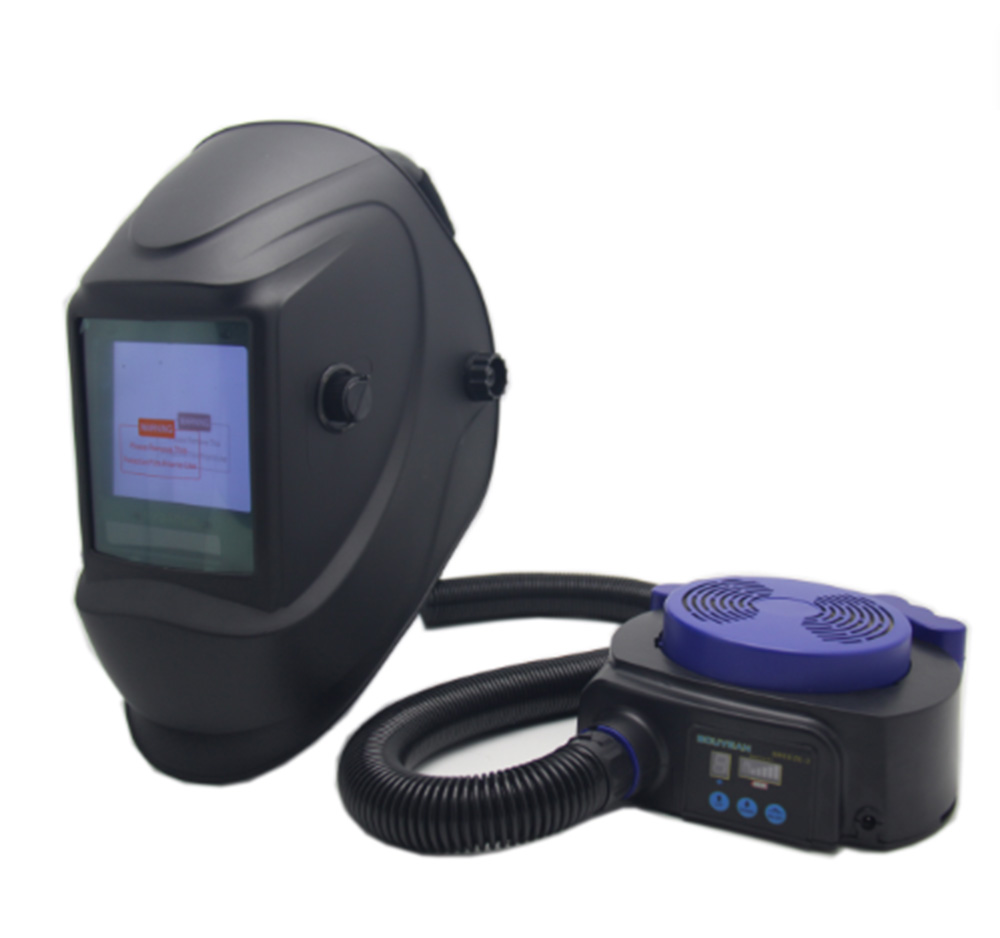
A standard industrial PAPR is a modular assembly comprising four critical technical components, each serving a specific protective function:
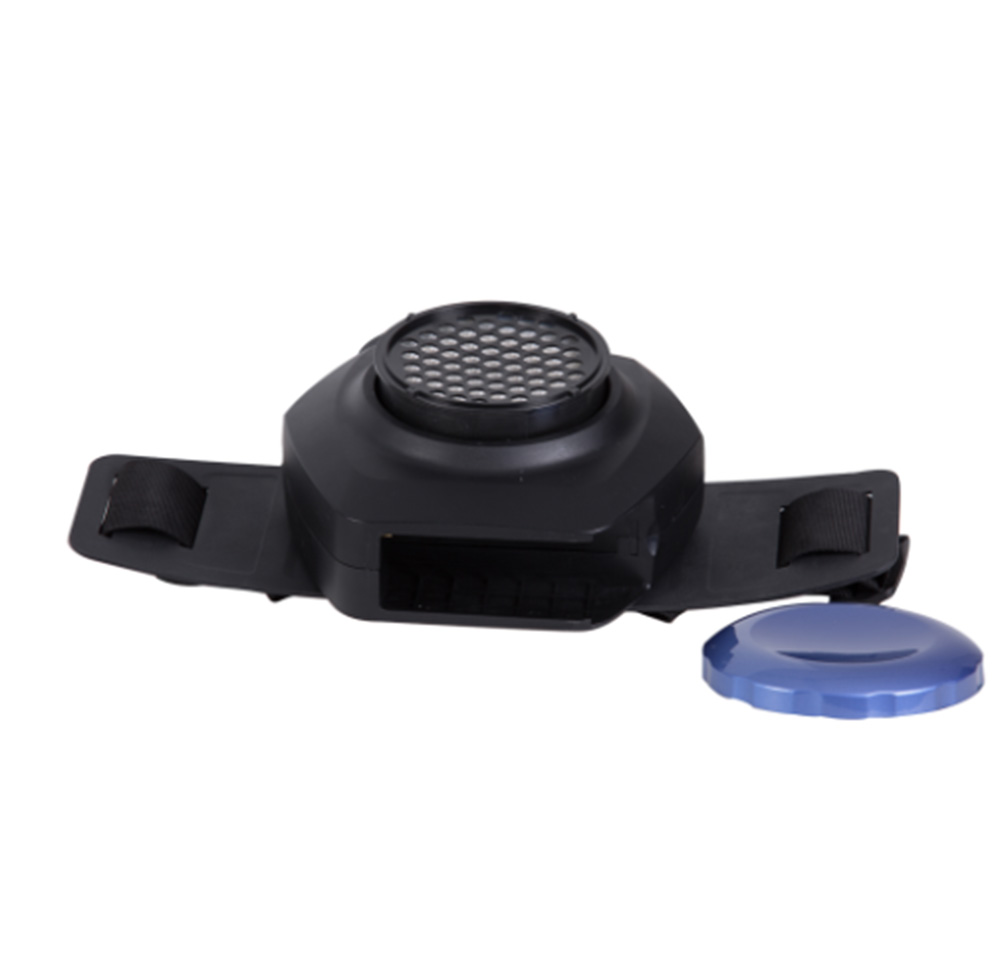
- Motorized Blower Unit: The system's core component. It must maintain a reliable, regulated volumetric flow rate (typically meeting or exceeding 170 Liters Per Minute [LPM] for loose-fitting headtops according to NIOSH and EN 12941 regulations) across the entire battery discharge cycle.
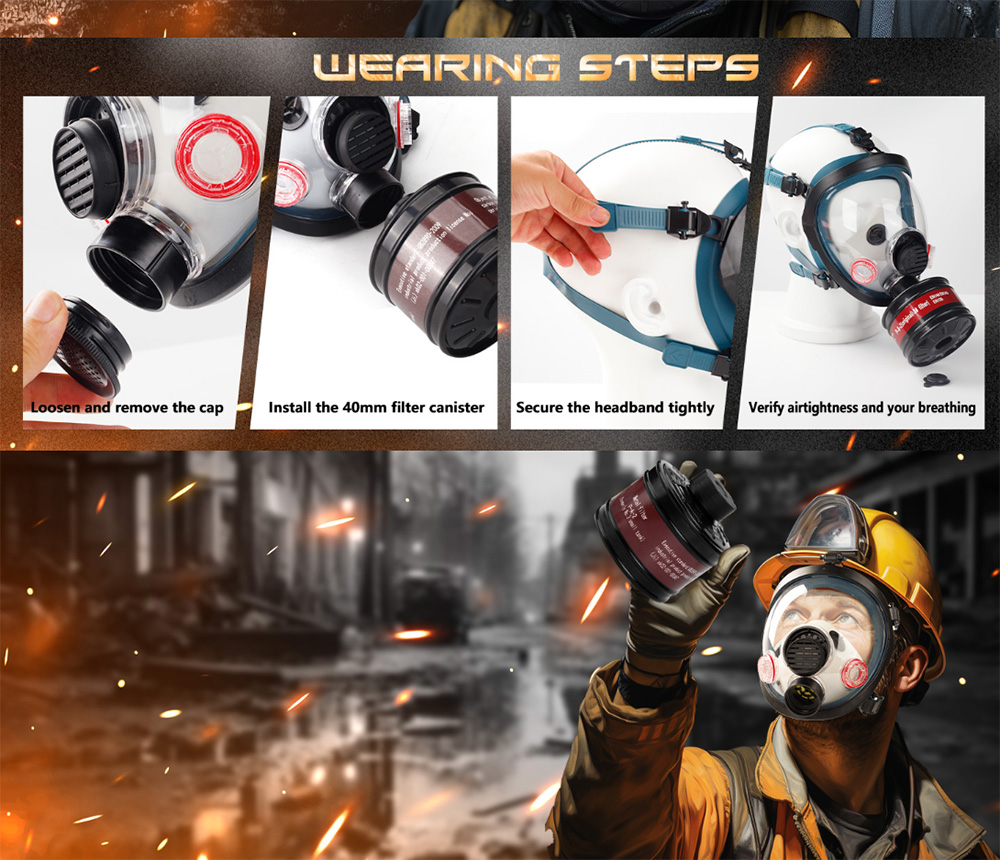
- High-Capacity Filtration Cartridges: Interchangeable elements engineered to target specific atmospheric challenges, ranging from HEPA/P100 particulate filters to multi-gas/vapor sorbent canisters.
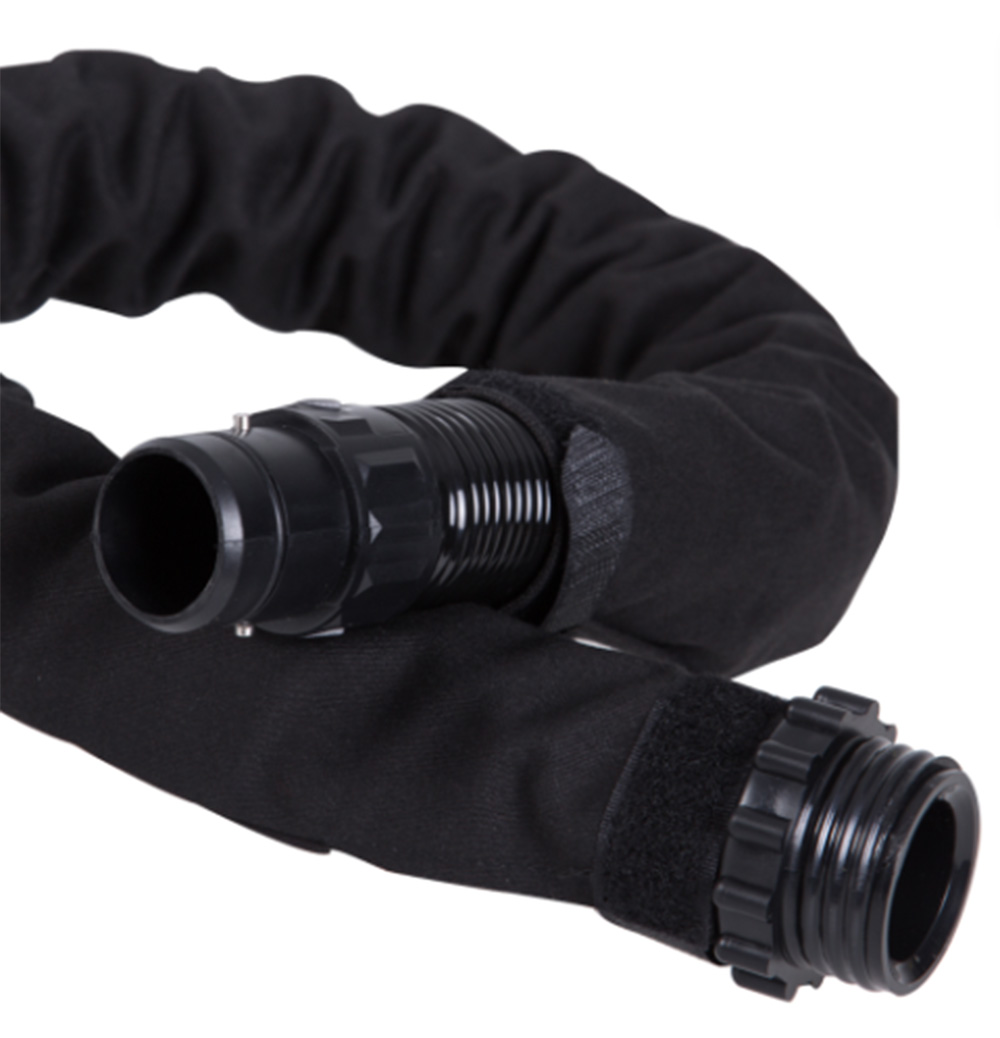
- Breathing Tube / Ducting: Heavy-duty, crush-resistant conduits designed to maintain unhindered airflow during intense physical labor or high-mobility tasks.
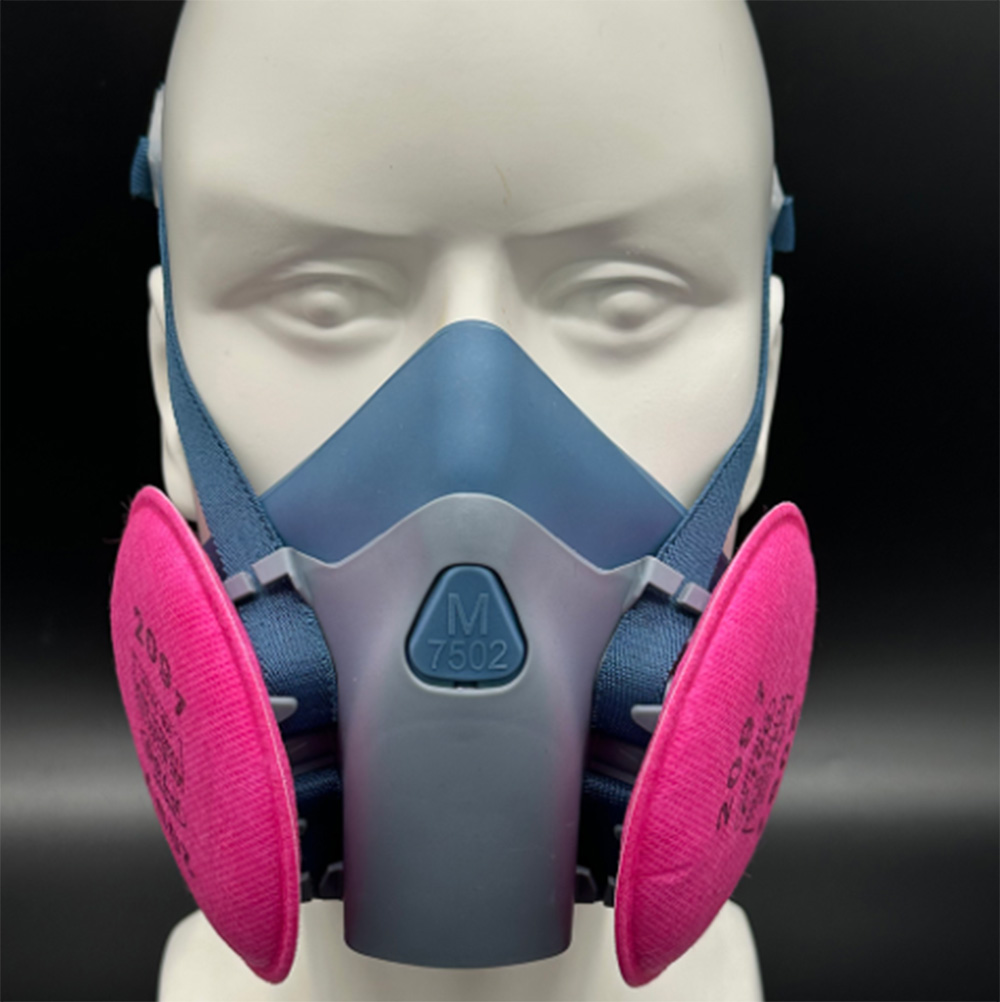
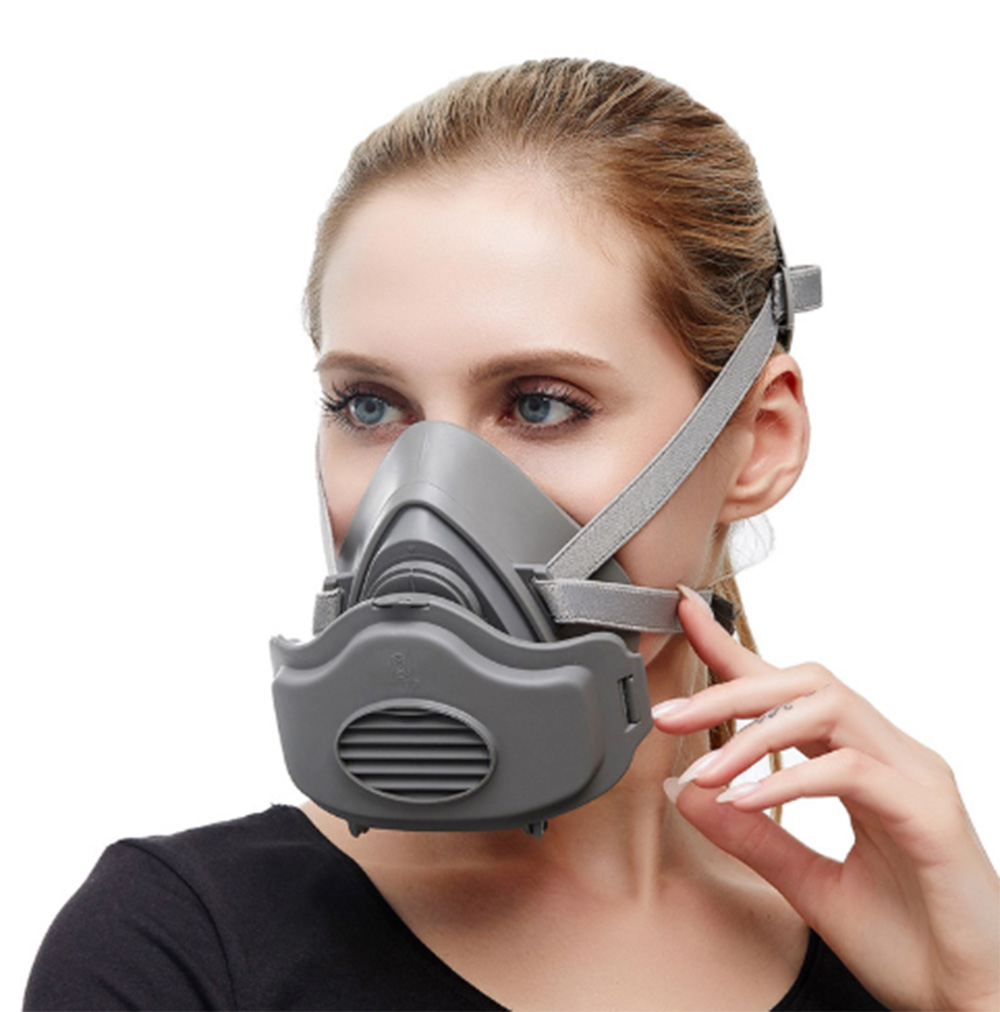
- Headgear / Facepiece Interface: Hoods, helmets, loose-fitting facepieces, or tight-fitting elastomeric masks that define the system's Assigned Protection Factor (APF).
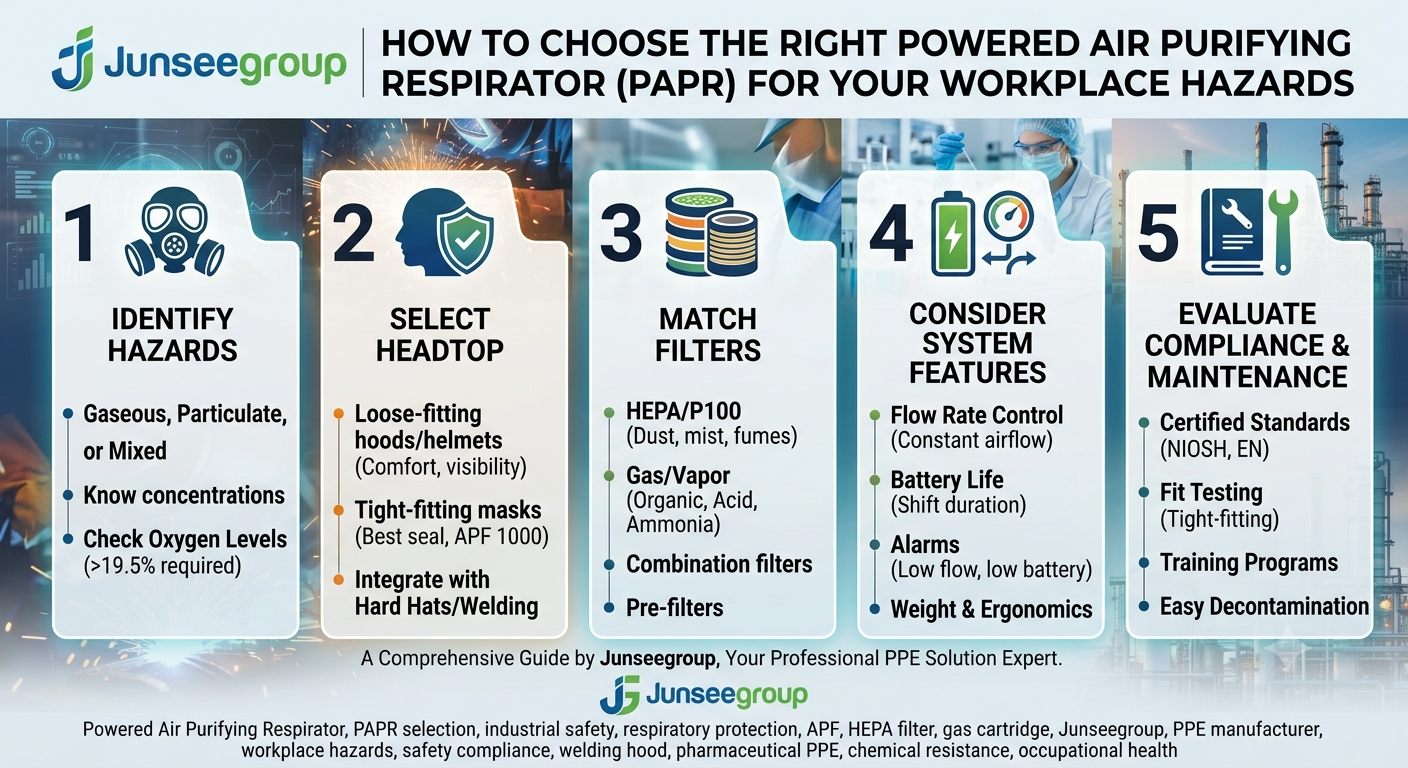
2. Four-Step Technical Selection Protocol
Choosing the correct PAPR configuration requires a structured evaluation process based on quantitative chemical data and qualitative physical demands.
Step A: Characterize the Contaminant Profile (Chemical vs. Particulate)
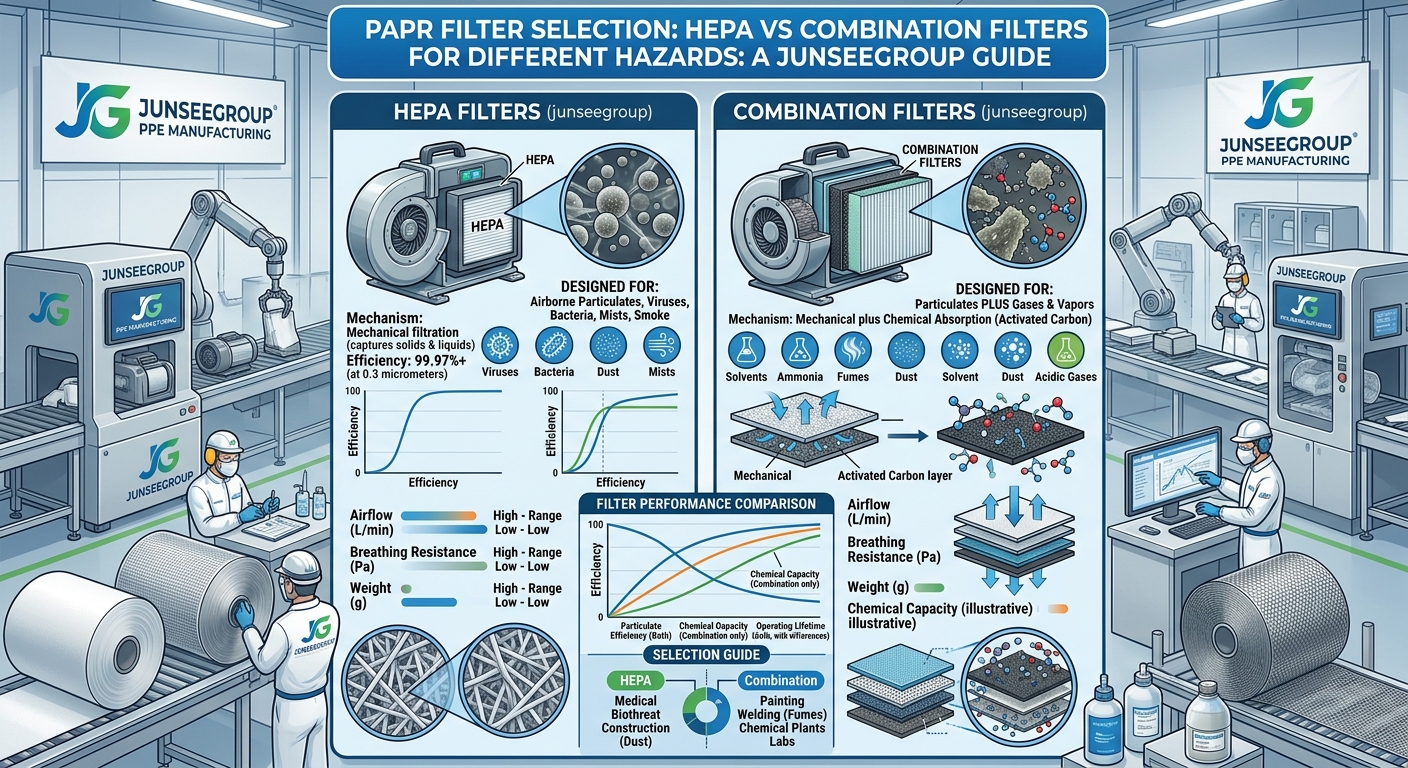
The chemical composition and physical state of the airborne hazard dictate the choice of filtration media. Particulate hazards (such as hexavalent chromium in welding, crystalline silica in concrete processing, or active pharmaceutical ingredients) require mechanical or electrostatically charged particle filters. Gaseous contaminants (such as organic solvents, acid vapors, chlorine, or ammonia) require activated carbon beds that rely on adsorption physics or chemisorption. In mixed-hazard environments, combination cartridges must be deployed.
Step B: Calculate the Required Assigned Protection Factor (APF)
HSE officers must determine the Hazard Ratio by dividing the measured workspace contaminant concentration by the relevant Permissible Exposure Limit (PEL) or Threshold Limit Value (TLV). This ratio dictates the required APF of the headwear interface:
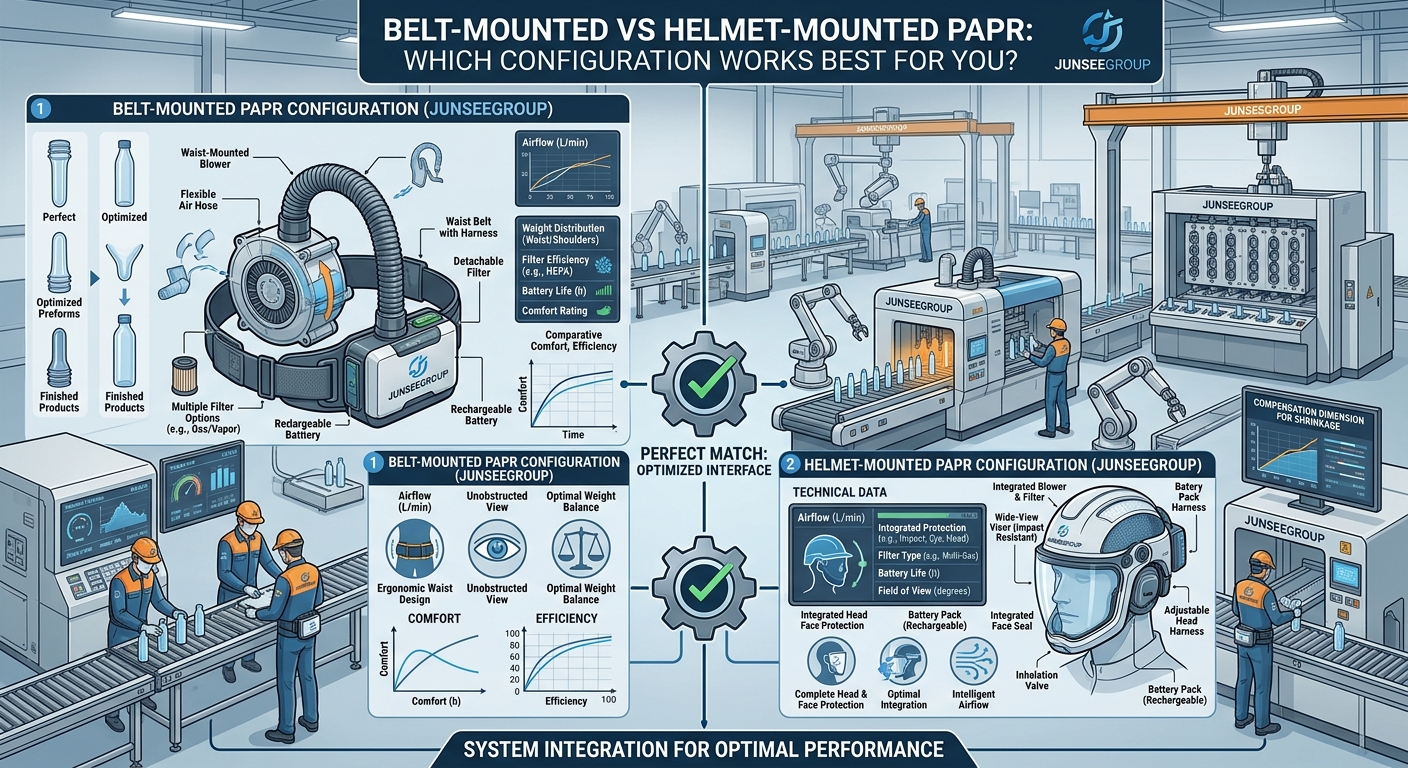
- Loose-Fitting Hoods & Helmets (APF = 25 to 1000): Provide excellent integration with safety helmets, welding shields, or chemical capes. If verified by manufacturer specifications under NIOSH or CE testing protocols, specific loose-fitting hoods deliver an APF of 1000, suitable for high-exposure zones.
- Tight-Fitting Full Facepieces (APF = 1000): Require a rigorous quantitative fit test because protection relies on maintaining a continuous seal against the wearer's skin. They provide maximum protection and prevent contaminant ingress even if the positive-pressure blower experiences temporary failure.
Step C: Assess the Industrial Microenvironment & Work Integration
The physical layout of the facility dictates the choice of headgear material and blower durability:
| Industry Sector | Dominant Hazard Category | Recommended Headgear & Filter Profile |
|---|---|---|
| Pharmaceutical & Biotech | Highly potent APIs, aerosolized powders | Lightweight Tyvek® hoods, smooth-surface blowers optimized for wipe-down decontamination, HEPA/P100 filtration. |
| Chemical Compounding | Organic vapors, acid gases, corrosive splashes | Chemical-resistant hoods with shroud extensions, multi-gas/vapor cartridges with integrated particulate pre-filters. |
| Heavy Welding & Smelting | Metal fumes (Mn, Cr), sparks, infrared radiation | Auto-darkening welding helmets with flame-resistant shrouds, heavy-duty spark arrestor pre-filters. |
| Nuclear Decommissioning | Radioactive dust, heavy particulates | Full-encapsulation tight-fitting configurations with high-efficiency P100/HEPA filtration elements. |
Step D: Evaluate Operational Ergonomics and Smart Monitoring Features
Extended shifts require equipment designed for long-term wearer comfort. Advanced PAPR designs should feature smart monitoring, including microprocessor-controlled electronic flow regulation that adjusts blower speed to counter filter loading. Visual, audible, and vibratory alarms are also crucial to alert operators to low battery levels or restricted airflow before safety is compromised.
3. Maintenance, Flow Verification, and Compliance
To ensure continuous compliance under OSHA 1910.134 or European EN standards, every PAPR system must undergo pre-shift validation:
- Volumetric Flow Verification: Workers must verify that the blower meets minimum flow requirements using a rotameter or integrated flow-indicator tube before entering a hazardous area.
- Decontamination Protocol: In pharmaceutical and chemical facilities, the blower casing and battery pack must feature a high Ingress Protection rating (e.g., IP65 or IP67) to allow thorough sanitization without damaging internal electronics.
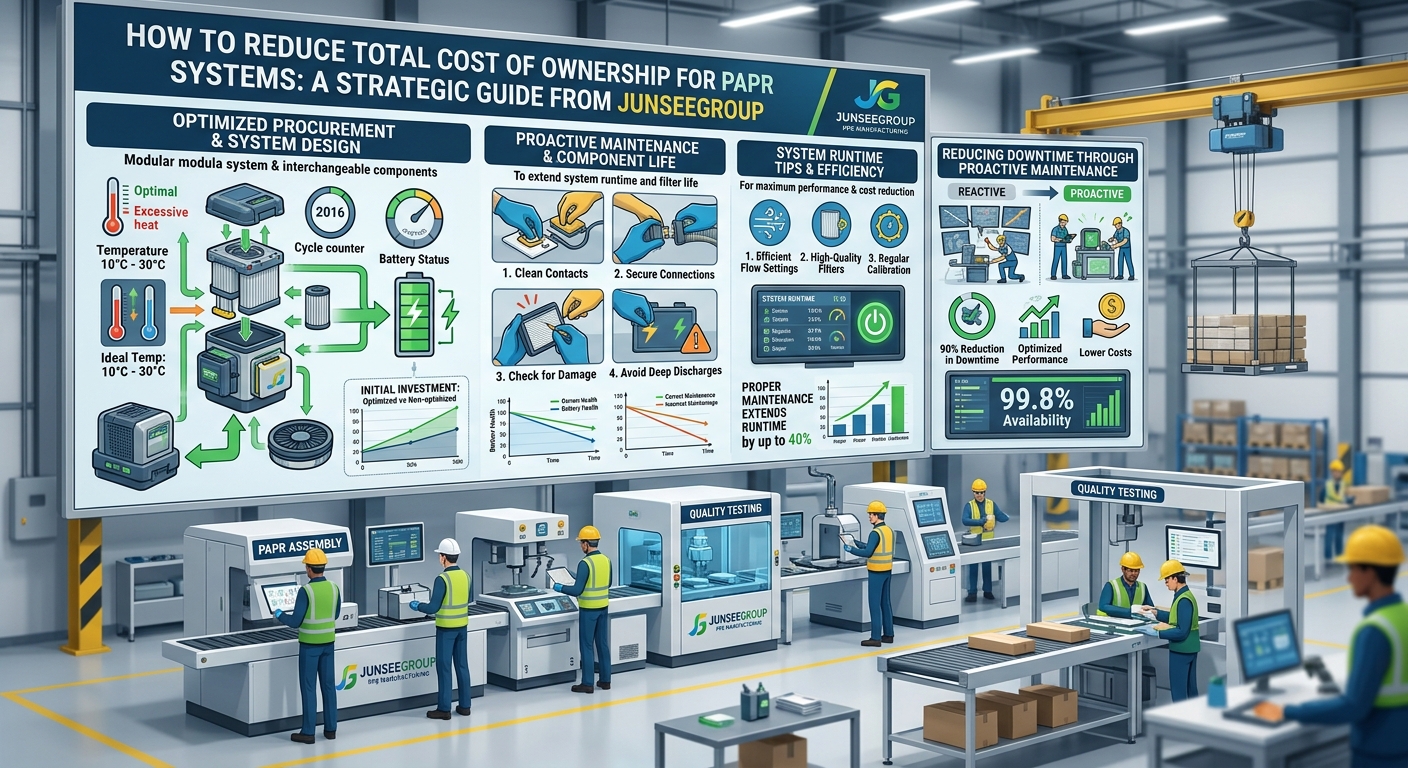
- Cartridge Management: Establish a formal cartridge replacement schedule based on ambient humidity, concentration modeling, and breakthrough curves rather than waiting for odor breakthrough.
4. The Junseegroup Advantage: Your Strategic Global PPE Manufacturer
As a leading personal protective equipment manufacturing enterprise based in China, Junseegroup delivers engineered safety solutions designed for complex global industrial challenges. Our state-of-the-art manufacturing infrastructure produces an extensive portfolio of high-compliance respiratory systems, encompassing advanced PAPR platforms, reusable elastomeric respirators, and high-efficiency disposable filtration media. Our products undergo rigorous testing to ensure compliance with demanding international standards, including European CE (EN 12941, EN 12942) and NIOSH protocols.
We work closely with global industrial distributors, enterprise safety directors, and supply chain managers to provide customizable OEM/ODM solutions tailored to your facility's precise hazard profiles. Partnering with Junseegroup grants you access to deep technical engineering expertise, reliable supply chains, and dependable respiratory protection systems.
Your email address will not be published. Required fields are marked