


APR vs Traditional Respirators: What's the Difference and Which One Do You Need?
In industrial safety, selecting correct respiratory protection is not just a regulatory check-off; it is a critical line of defense for occupational health. For procurement officers, safety directors, and industrial hygienists, the terminology can sometimes overlap. A common point of confusion lies in comparing Air-Purifying Respirators (APRs) to traditional respirators (frequently referred to as disposable filtering facepiece respirators, such as N95, FFP2, or KN95 masks).
At Junseegroup, as a leading Chinese personal protective equipment (PPE) manufacturer and professional safety solutions provider, we analyze respiratory hazards globally to help enterprises deploy the exact gear they need. This technical guide breaks down the core structural differences, filtration mechanisms, and application criteria between these two vital categories of respiratory protection.
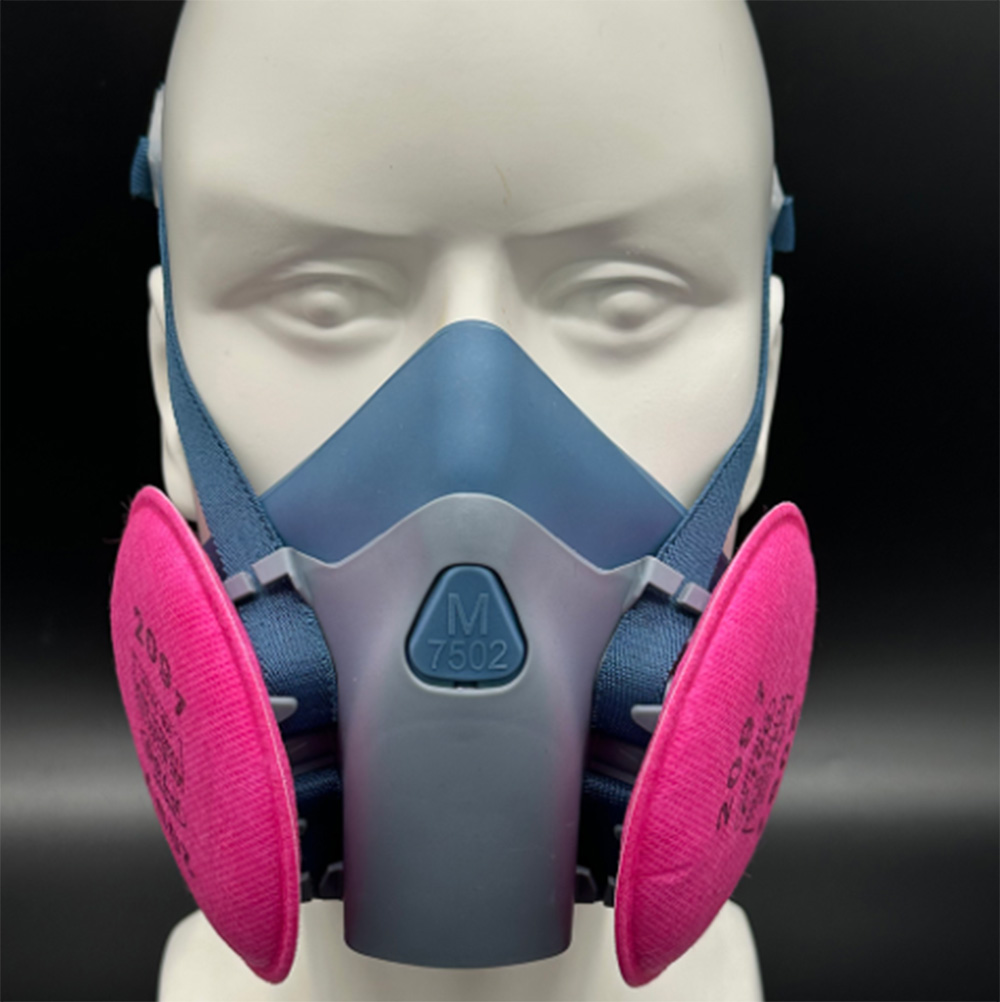
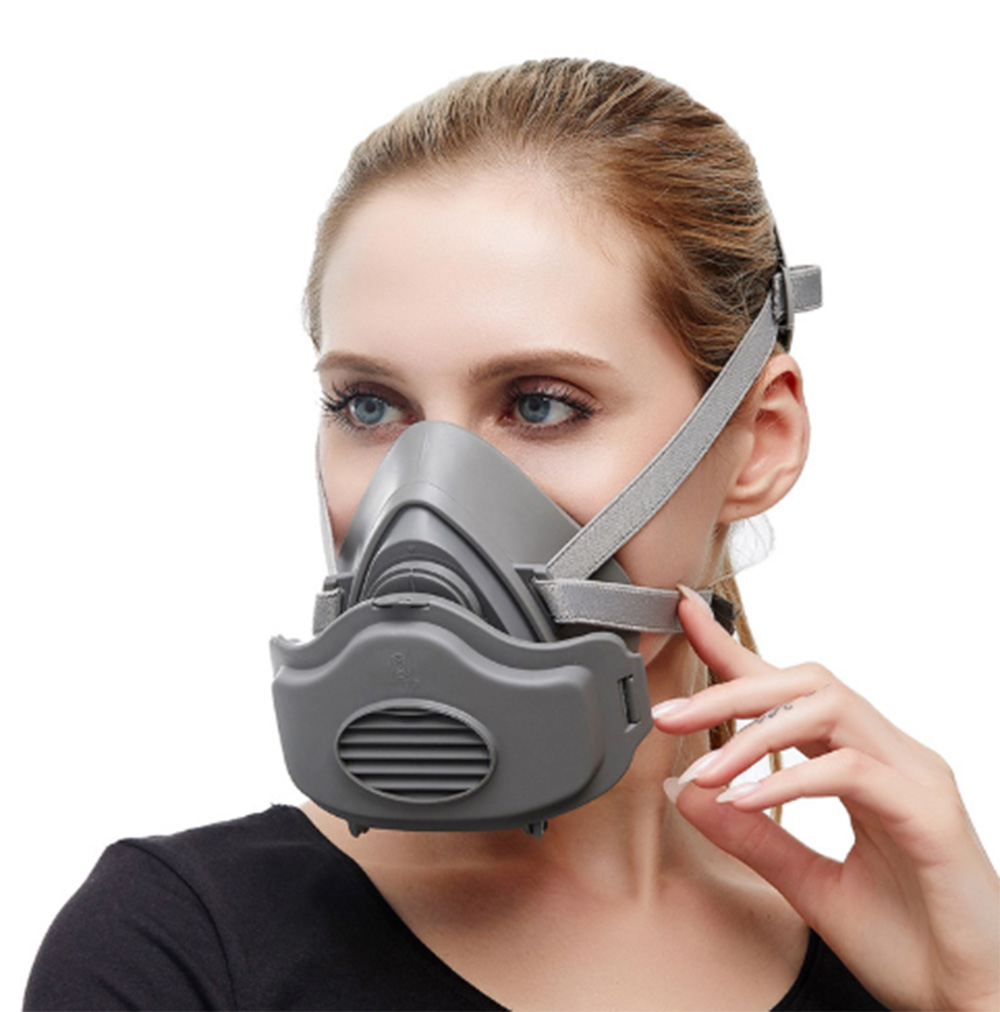
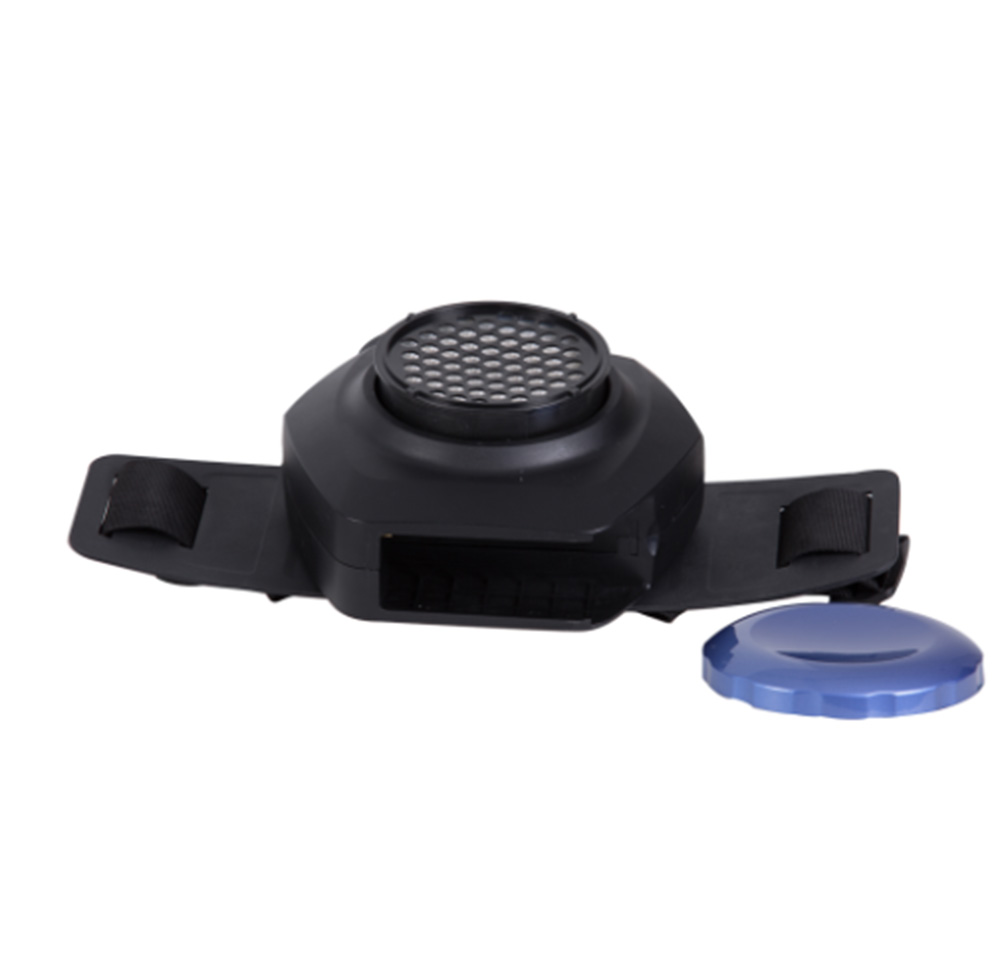
Before diving into the technical specifications, it is helpful to look at a typical industrial Air-Purifying Respirator (APR). Unlike simple disposable masks, these elastomeric systems rely on replaceable cartridges designed for highly specific chemical and particulate hazards.
Defining the Technology: Structural Differences
1. Traditional Respirators (Filtering Facepieces)
What the industry commonly calls a "traditional respirator" is technically a Filtering Facepiece Respirator (FFR).
- Construction: The entire mask body is constructed from filtration media (typically melt-blown electrostatically charged polypropylene).
- Design: Disposable, lightweight, and designed for single-use or limited-shift use.
- Mechanism: They capture particulate matter (dust, mist, fumes, aerosols, and biological pathogens) via interception, inertial impaction, diffusion, and electrostatic attraction. They do not protect against gases, vapors, or volatile organic compounds (VOCs).
2. Air-Purifying Respirators (APRs)
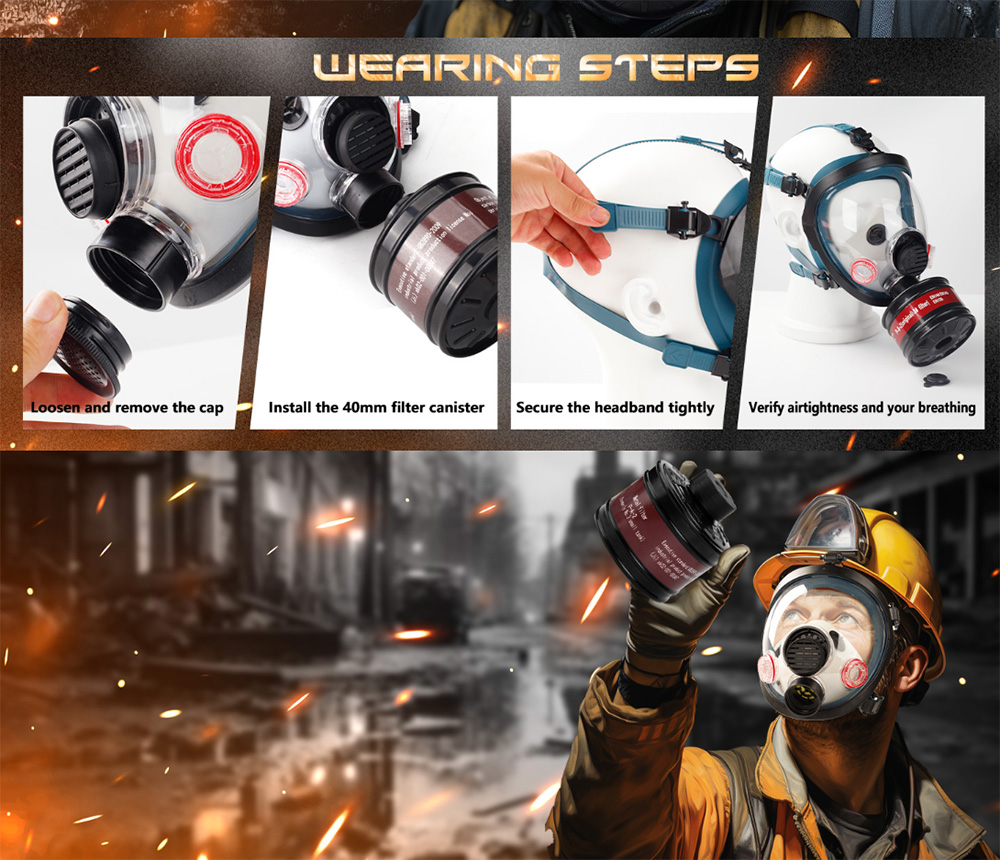
An Air-Purifying Respirator (APR) refers to reusable, elastomeric (silicone, thermoplastic elastomer, or rubber) facepieces equipped with replaceable filters, cartridges, or canisters.
- Construction: A durable, washable facepiece (available in half-mask or full-face configurations) with integrated inhalation/exhalation valves and standardized threaded or bayonet connection ports.
- Design: Heavy-duty, reusable, and customizable. The facepiece can last for years with proper maintenance, while the filtration elements are swapped out as they reach capacity.
- Mechanism: APRs can purify air of both particulates (using mechanical/electrostatic filters) and chemical gases/vapors (using activated carbon sorbent beds within canisters or cartridges).
Technical Comparison: Side-by-Side Analysis
To help guide procurement decisions, the table below highlights the performance metrics of both systems under industrial conditions.
| Feature / Metric | Traditional Respirators (FFRs) | Air-Purifying Respirators (APRs) |
|---|---|---|
| Protection Spectrum | Particulates only (dust, PM2.5, non-volatile aerosols, fibers) | Particulates, chemical gases, organic vapors, acid gases, ammonia (dependent on cartridge type) |
| Assigned Protection Factor (APF) | Typically 10 (OSHA/NIOSH standards) | 10 for Half-Mask; up to 50 for Full-Facepiece systems |
| Facial Seal Quality | Moderate. Susceptible to leakage around the nose bridge and jawline | Excellent. Elastomeric silicone forms a highly secure, pressure-tight seal on the skin |
| Lifespan & Durability | Disposable (single-use or 1-shift maximum) | Reusable facepiece (long-term); replaceable filters/cartridges |
| Breathing Resistance | Increases gradually as the material clogs | Lower resistance due to dedicated inhalation/exhalation valves |
| Total Cost of Ownership (TCO) | Low initial cost; high recurring cost for high-use environments | Higher initial investment; significantly lower long-term cost per shift |
Which One Do You Need? Decision Framework
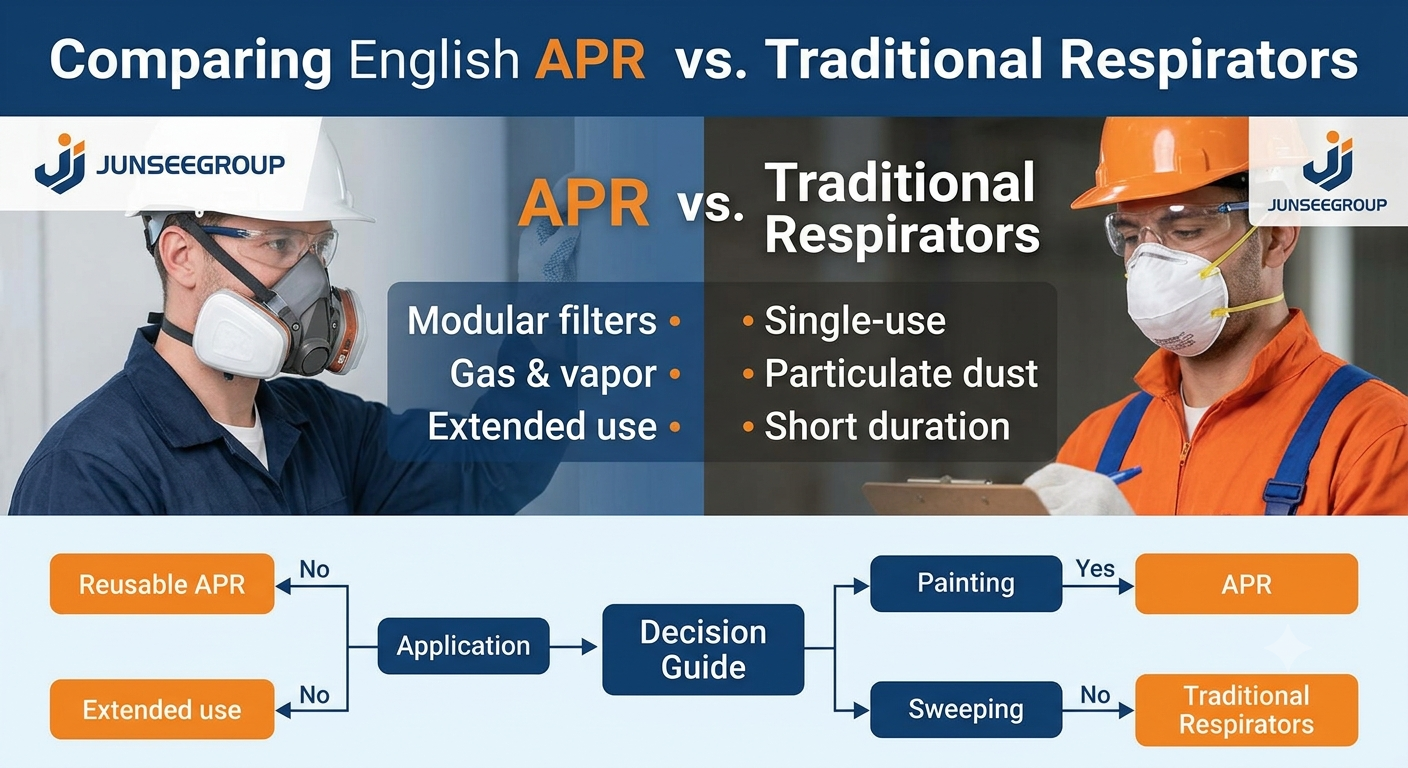
Choosing the correct device relies entirely on your workplace exposure assessment. Below is a structured framework developed by Junseegroup engineers to simplify selection:
Rule of Thumb: If your environment contains any chemical fumes, volatile gases, solvent vapors, or requires a tight fit for hazardous dust exposure limits above 10x PEL, an elastomeric APR is mandatory. For general construction dust, silica-free masonry cutting, or non-toxic particulate protection, a traditional disposable respirator is highly cost-effective.
Choose Traditional Disposable Respirators If:
- The primary hazard is mechanical dust: Wood sanding, drywall installation, sweeping, agricultural handling, and basic mining operations.
- You need high mobility and low weight: Workers who need to carry light gear or climb extensively benefit from the lightweight profile of a disposable FFR.
- Cross-contamination is a risk: In healthcare, pharmaceutical production, or cleanroom environments where respirators must be discarded after contact with biohazards.
Choose Air-Purifying Respirators (APRs) If:
- Chemical vapors are present: Paint spraying (solvent-based paints), chemical manufacturing, pesticide application, petrochemical refining, or metal welding (where ozone and metal fumes are generated).
- High-concentration environments: When particulate concentrations require a higher Assigned Protection Factor (such as asbestos remediation where full-face APRs with P100 filters are necessary).
- Long-term operational efficiency: If workers wear respiratory protection daily for entire shifts, reusable half-masks paired with cartridge change-out schedules offer better ergonomics and lower long-term material waste.
Partnering with Junseegroup for Advanced PPE Solutions
As a global personal protective equipment manufacturer based in China, Junseegroup bridges the gap between raw manufacturing excellence and targeted safety compliance. We design, test, and manufacture a wide range of respiratory solutions conforming to rigorous international standards including NIOSH, CE (EN 140, EN 143, EN 149), and GB standards.
We do not just supply equipment; we provide comprehensive hazard evaluations and custom fit-testing configurations to ensure that your workforce stays protected, compliant, and comfortable. Contact our technical team today to optimize your supply chain with premium, certified respiratory PPE.
Your email address will not be published. Required fields are marked