
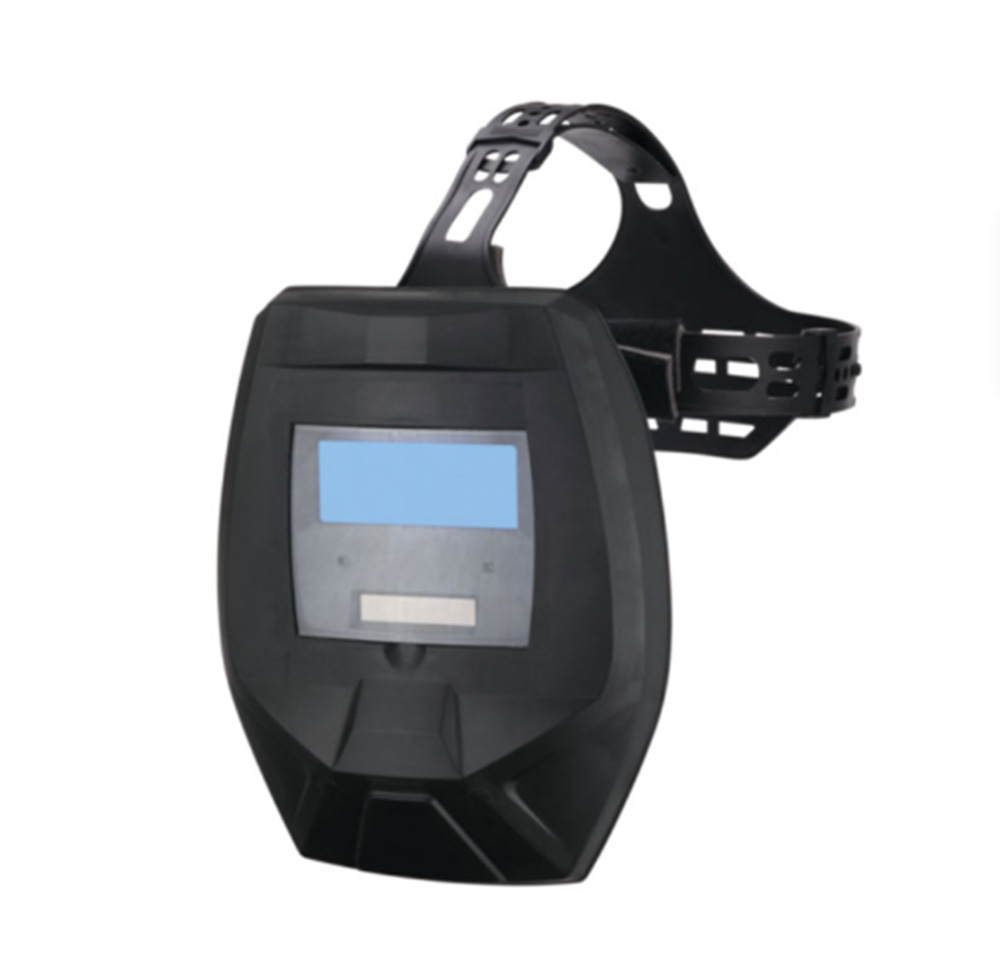
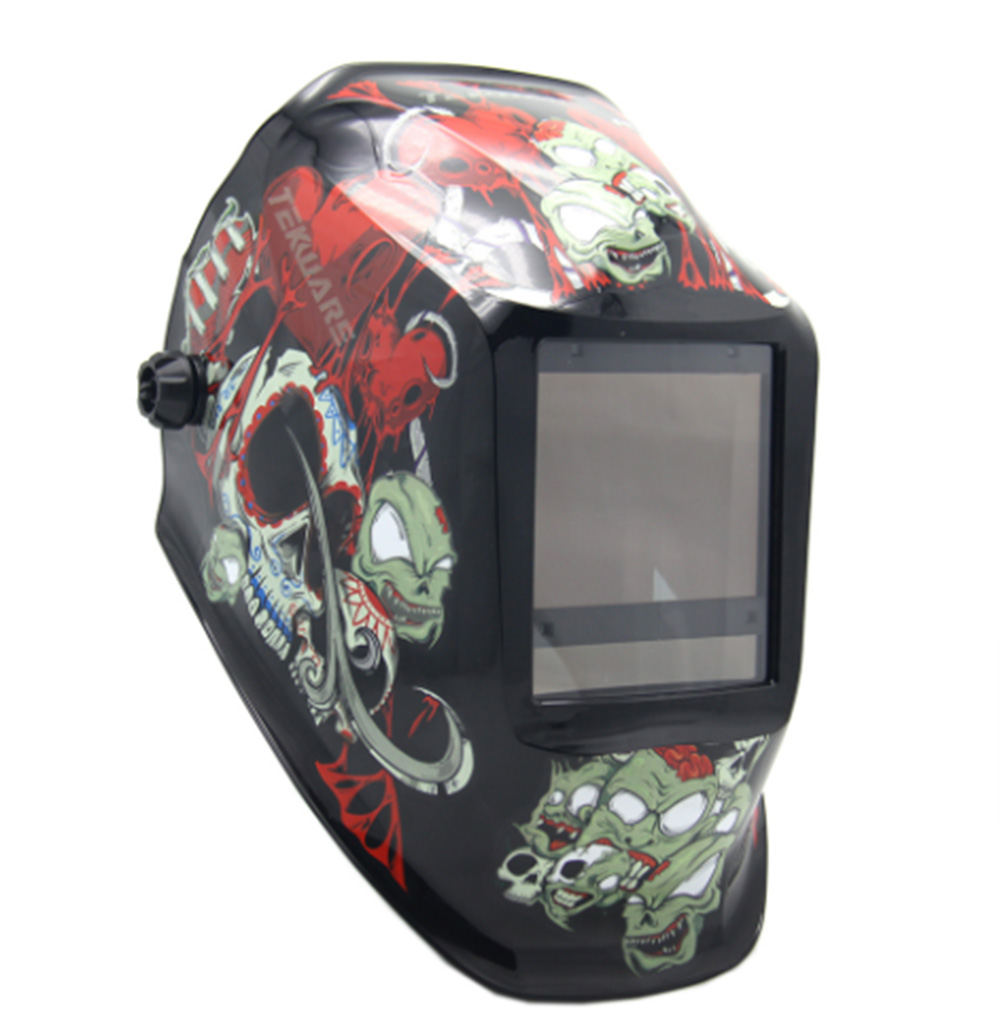
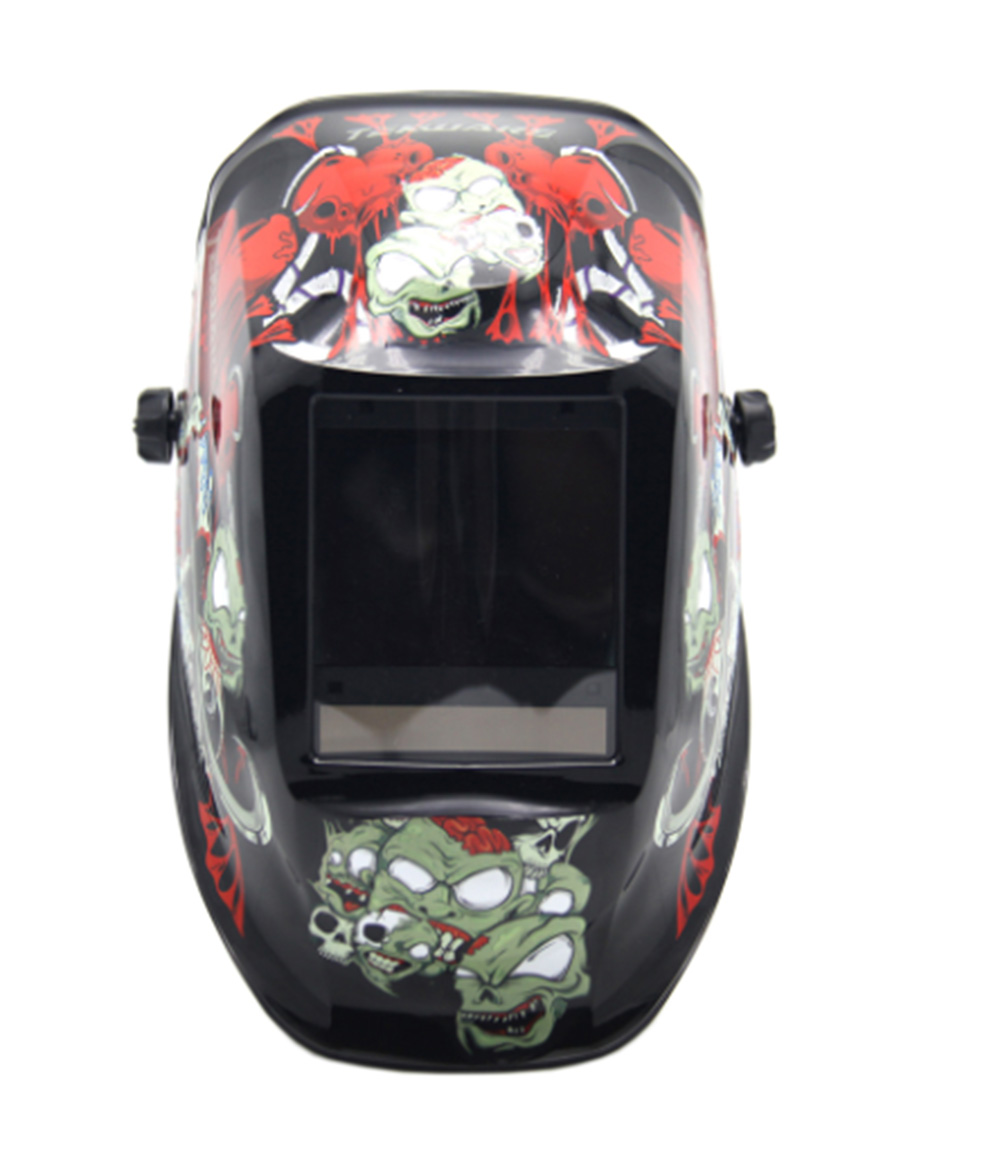
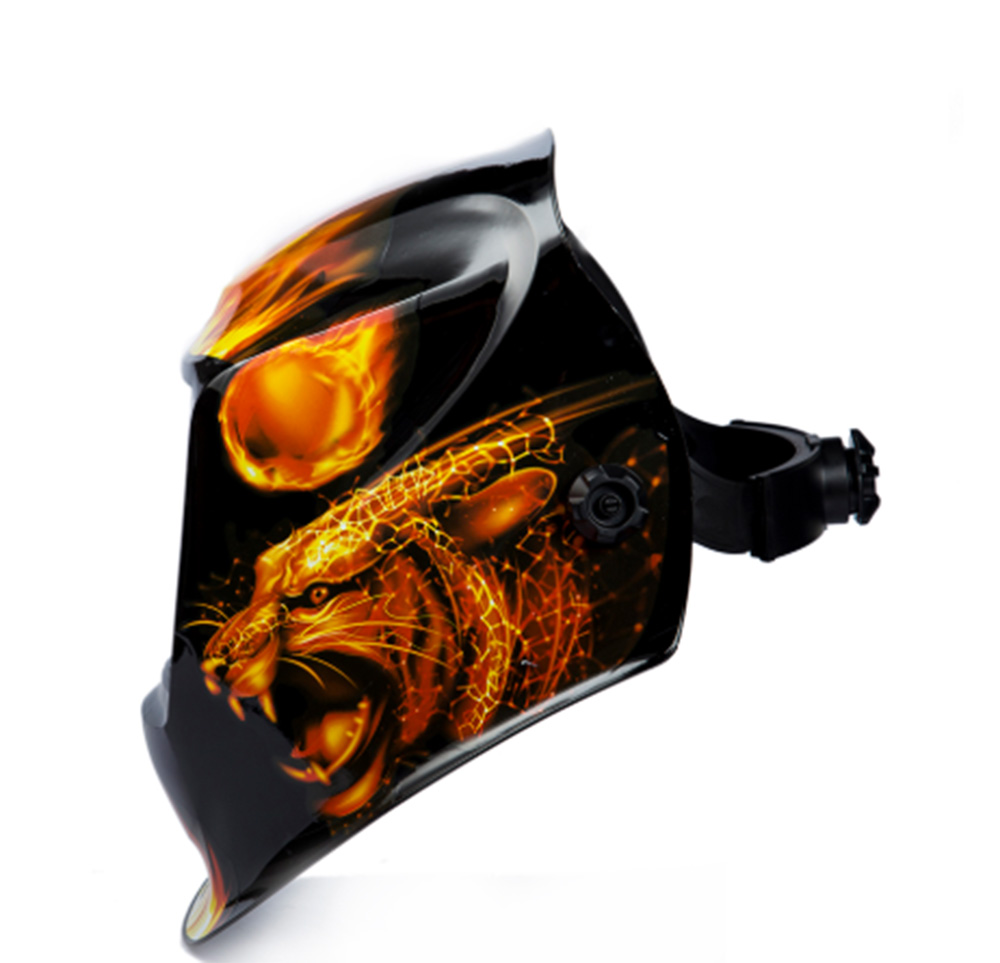
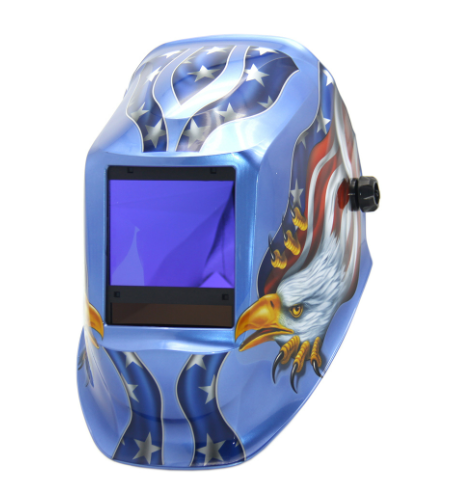
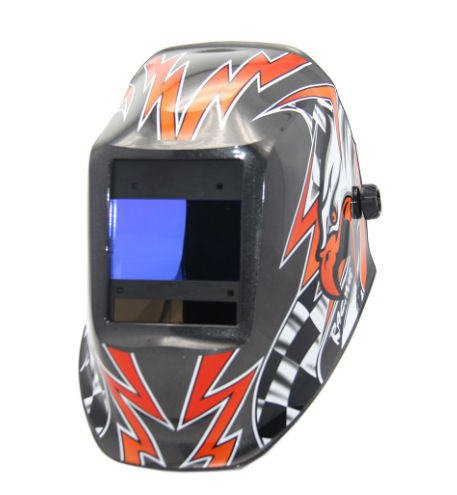
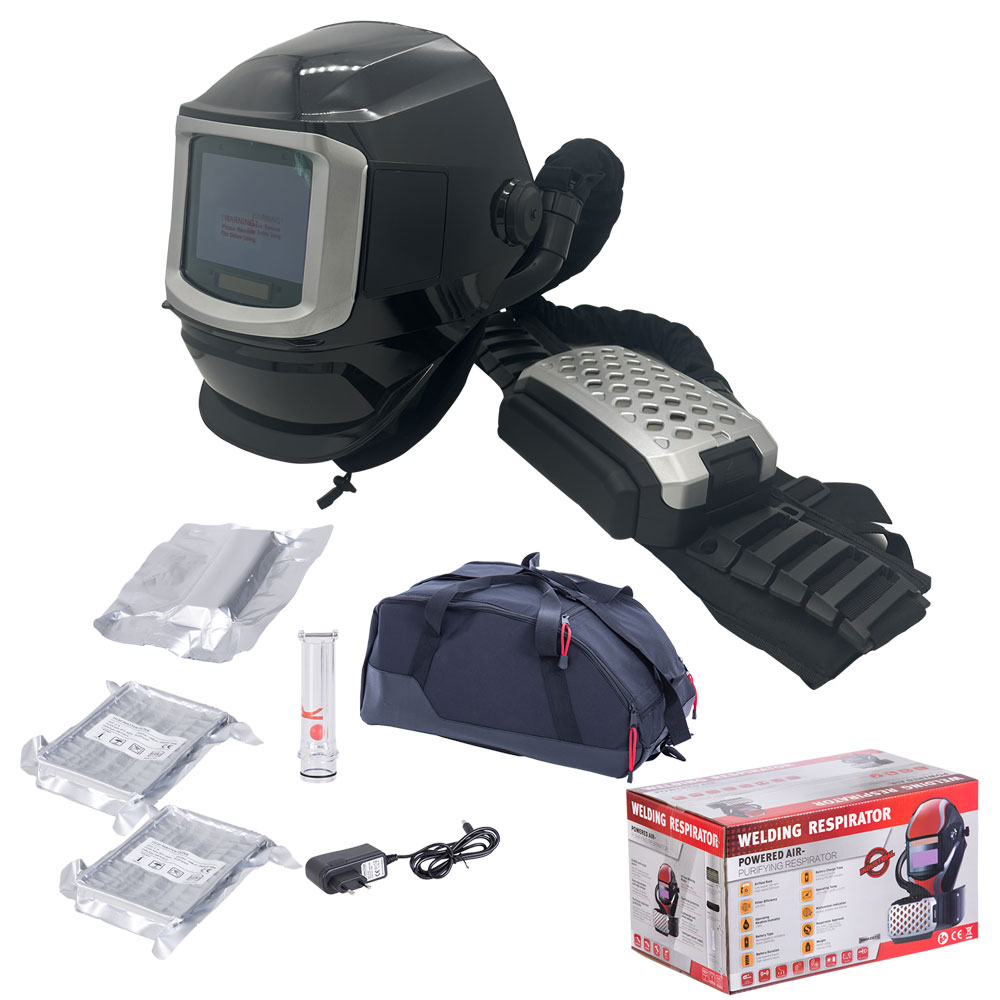
JUNSEE GROUP manufactures personal protective equipment including auto-darkening welding helmets and powered air purifying respirators (PAPRs), products that depend on reliable battery power for their protective function [citation:21][citation:27]. When a welding helmet's ADF (auto-darkening filter) loses power, the lens remains in the light state, exposing the welder's eyes to arc radiation. When a PAPR battery fails, the respirator loses positive pressure. These are not convenience failures. They are safety events.
This case study examines the "dead helmet" complaint pattern observed across powered PPE categories and the design-plus-education approach JUNSEE applies to reduce its occurrence.
The phrase is imprecise, and that imprecision obscures the diagnosis. Field reports labeled as "dead helmet" typically fall into three distinct failure modes, each with a different root cause:
| Reported Symptom | Actual Failure Mode | Likely Root Cause |
|---|---|---|
| "Battery died on the second ride and won't recharge" | Battery not accepting charge; deep discharge state | Extended storage without periodic charging; compartment contact corrosion preventing charge current [citation:3][citation:11] |
| "Fully charged in the morning, dead by evening" | Rapid discharge during use or parasitic drain when "off" | Compartment contact intermittency; switch or circuit design allowing standby drain [citation:25] |
| "Batteries pop out when I open the compartment" | Mechanical retention failure | Compartment spring tension insufficient for battery dimensional variation; latch design lacking positive retention [citation:2] |
| "Can't get the compartment open without breaking it" | Access ergonomics failure | Latch force or geometry unsuitable for gloved or field conditions; user forcing the mechanism [citation:14] |
The pattern is consistent across product categories. A Sena community post describes two motorcycle communication helmets that "went dead after a year's use," with the user unwilling to attempt battery replacement because it "involves ripping the helmet apart and messing with circuit boards" [citation:18]. An Amazon review of a Bluetooth-integrated helmet reports the battery "died on my second ride and won't recharge" [citation:23]. These are not isolated product defects. They are interface and education failures repeating across manufacturers.
Battery compartments fail at the contact interface before they fail at the cell. Not all AA or coin cells are dimensionally identical. The length of the positive terminal "bump" varies between manufacturers, and the negative terminal geometry differs as well. A compartment designed around a single reference cell may fail to make reliable contact with a different brand [citation:2].
This problem is documented in the avalanche beacon industry, where a Pieps product generated user concern when batteries "popped out of the compartment when you opened the battery compartment lid." The manufacturer characterized the behavior as normal, but forum discussion linked it to broader questions of compartment retention design [citation:2]. The lesson transfers directly to PPE: a compartment that releases its battery when opened is a compartment that risks intermittent contact during use, as vibration and shock overcome marginal spring force.
A helmet that is "off" is not necessarily drawing zero current. Standby drain in battery-powered PPE can deplete a cell over weeks or months of storage. When the cell reaches a deeply discharged state, it may refuse to accept charge entirely, producing the "won't recharge" complaint.
Lumos, a smart helmet manufacturer, addresses this explicitly in its storage guidance: charge the helmet at least once per month, and if storing long-term, charge to 50–70% and recharge every six months. The company warns that storing a device with a fully discharged battery "could fall into a deep discharge state, which renders it incapable of holding a charge" [citation:11]. Cardo, a motorcycle communication brand, issues similar guidance: "随用随充" (charge as you use), avoid full discharge, and for storage, charge to approximately 50% and recharge every 2–3 months [citation:3].
These are not design defects. They are the predictable behavior of lithium cells under conditions that users do not anticipate. The design response is twofold: minimize parasitic drain in the off state, and educate users about storage charging.
Design improvements reduce failure probability. They do not eliminate user behavior that causes failure. The second half of the "dead helmet" solution is structured, accessible user education at the point of need.
Research on PPE discomfort and non-use is instructive. A study of construction workers found that discomfort complaints "were indeed justified" and that failure to address them discouraged proper PPE use [citation:16]. The same principle applies to powered PPE: a user who experiences a dead helmet does not merely lose convenience. They lose trust in the equipment and may stop using the protective function entirely.
| Education Topic | What Users Need to Know | JUNSEE Implementation |
|---|---|---|
| Storage charging | Charge to 50–70% for storage; recharge every 2–3 months; do not store fully discharged [citation:3][citation:11] | Included in product manual and quick-start card for PAPR and solar ADF models |
| Battery replacement procedure | Which cell type (CR2450, CR2032); how to open compartment without forcing; how to verify contact | Documented for WELDMAX (CR2450) and ADF 800D/980S (CR2032) with illustrated steps [citation:21] |
| Low-voltage indication | What the alarm or indicator means; replace immediately, do not continue welding on low battery | WELDMAX low volume alarm documented in specification [citation:21] |
| Temperature limits | Operating range −5°C to +55°C; storage −20°C to +70°C for welding helmets [citation:21]; avoid charging outside recommended range | Specification sheet and manual |
| What NOT to do | Do not force the compartment; do not use incompatible chargers; do not disassemble beyond battery access [citation:3] | Highlighted in troubleshooting section of manual |
The education gap is not about users being careless. It is about the mismatch between how engineers understand battery behavior and how field users encounter it. A welder who removes a helmet at the end of a shift and hangs it on a rack does not think about quiescent drain. A safety manager who stores PAPR units for a seasonal project does not necessarily know that a fully discharged lithium pack may never recover.
Neither design improvement nor user education alone resolves the "dead helmet" complaint pattern. The effective approach treats them as a system.
Design determines what failure modes are possible. Education determines which of those failure modes actually occur in the field. A compartment with robust contact springs and a positive retention latch eliminates the "battery popped out" mode. A low-quiescent-current circuit and solar trickle charging reduce the "deep discharge" mode. But the user must still know to charge before long-term storage, and must be able to replace a cell without damaging the compartment seal.
The measurable outcome of this integrated approach is not zero field failures—lithium cells age, contacts oxidize, and users forget. The outcome is a shift in failure distribution away from preventable interface failures and toward predictable end-of-life replacement. That is the difference between a product that appears unreliable and a product that performs as designed.
Lithium cells self-discharge slowly even when the device is off, and ADF circuits may draw a small quiescent current to maintain memory or standby functions. Over months of storage, this can deplete the cell to a deeply discharged state. JUNSEE solar-assisted ADF models (ADF 800D, ADF 980S) use ambient light to trickle-charge the battery during storage, reducing this risk. For all models, we recommend charging or verifying battery state before extended storage [citation:21].
Yes, provided the cell meets the dimensional and voltage specifications of the standard. However, terminal geometry varies between brands, and a compartment designed for one brand may not make optimal contact with another. JUNSEE specifies contact spring force across the commercially available dimensional range to accommodate brand variation. If a new battery does not power the helmet after installation, check that the compartment is fully latched and the cell is seated correctly before assuming a defect.
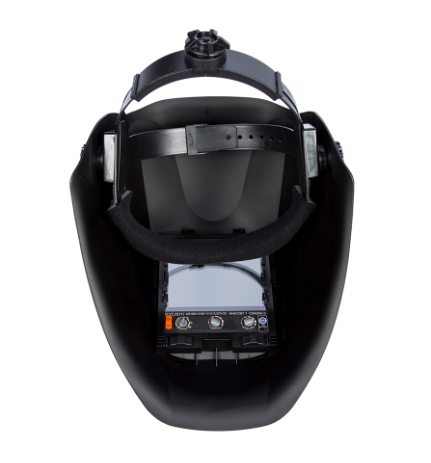
Do not force it. Forcing a compartment latch can crack the housing or compromise the seal, creating a path for dust or moisture ingress. JUNSEE welding helmet battery compartments are designed for tool-free access, but the latch requires deliberate, directed force rather than prying. If the compartment does not open with normal hand force, contact JUNSEE support for guidance rather than applying tools [citation:22].
Yes. JUNSEE product documentation for welding helmets and PAPR systems includes battery replacement procedures, storage charging recommendations, and operating temperature limits. For PAPR systems, our after-sales support team provides maintenance and battery care guidance as part of the customer onboarding process [citation:27].

Your email address will not be published. Required fields are marked