

Author: junseegroup Respiratory & Welding PPE Engineering Team | Published: November 2026
1. Executive Summary & Shop-Floor Challenge
In high-volume Metal Inert Gas (MIG / GMAW) fabrication plants, welders perform thousands of repetitive tack welds, continuous seam passes, and rapid arc strikes across multi-hour shifts. While UV/IR radiation and flying sparks receive primary attention during safety audits, visual strain from sub-optimal auto-darkening filter (ADF) optics is a major contributor to afternoon eye fatigue, headaches, squinting, and inconsistent weld bead placement.
Recently, a heavy-equipment and automotive chassis fabricator operating two continuous MIG welding shifts approached junseegroup—a specialized Chinese manufacturer of Personal Protective Equipment (PPE) including welding helmets, full-face respirators, and Powered Air-Purifying Respirators (PAPRs). Welders on their high-speed MIG line reported noticeable visual strain, difficulty tracking the molten weld pool during angled joint work, and rising late-shift touch-up rework.
2. Root Cause Engineering Audit: Why MIG Welders Experience Optical Fatigue
An on-site evaluation by the junseegroup PPE engineering team revealed that the plant's legacy auto-darkening welding helmets carried lower optical uniformity ratings and uneven shade behavior during continuous stop-start MIG welding:
- Refractive Distortion & Micro-Blurring: Minor optical distortion and light diffusion across the viewing filter forced welders' eyes to work harder to lock focus on the arc edge and solidification line.
- Viewing-Angle Shade Shift: In tight structural corners, welders frequently viewed the joint off-axis; angle-dependent transmittance shifts altered perceived brightness and contrast across the field of view.
- Frequent Arc-Start Transitions: High-frequency MIG tack and stitch welding caused repeated light-to-dark switching, amplifying visual discomfort when filter clarity and color balance were inconsistent.
3. The junseegroup Optical Class Upgrade Solution
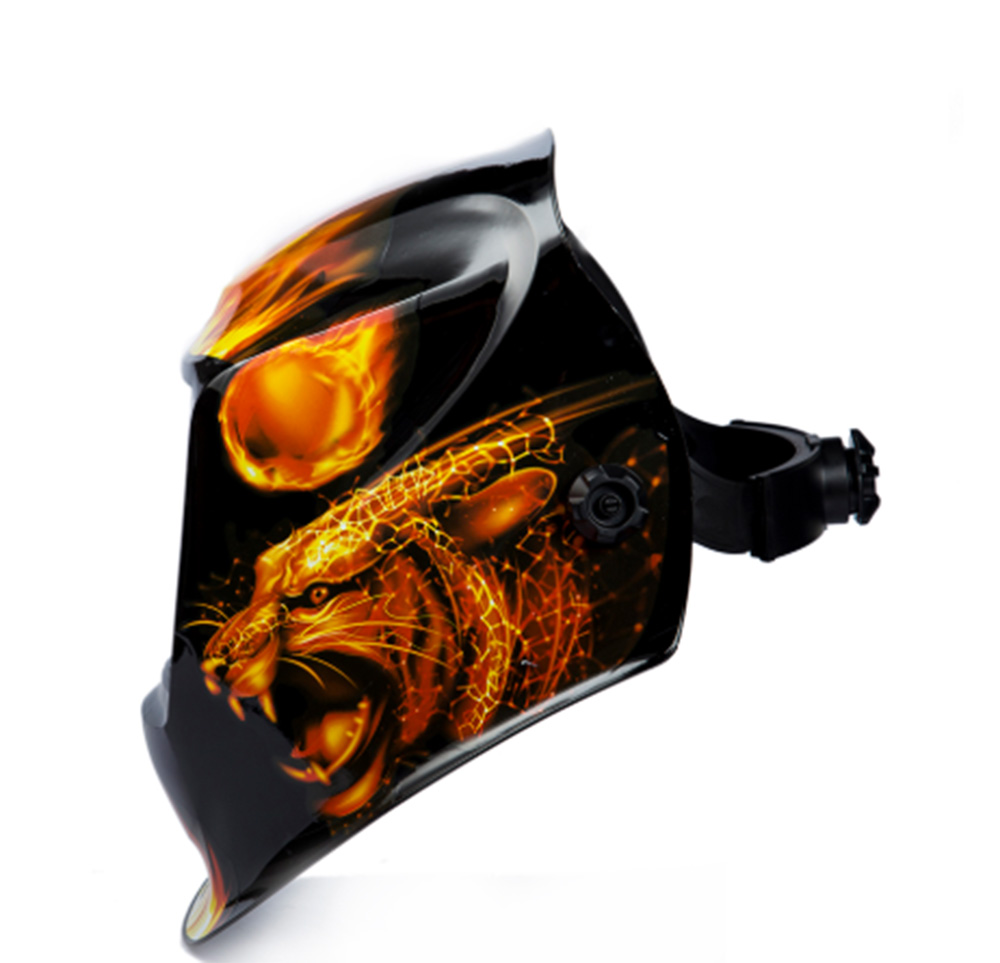
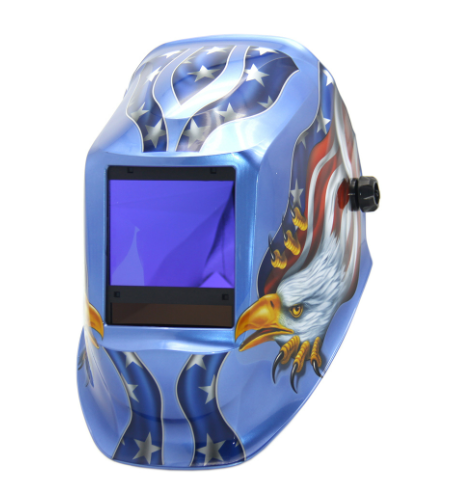
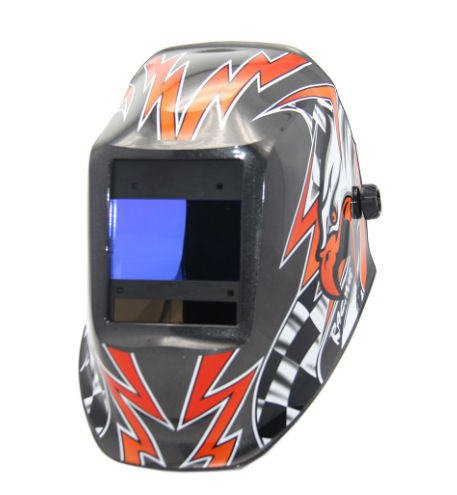
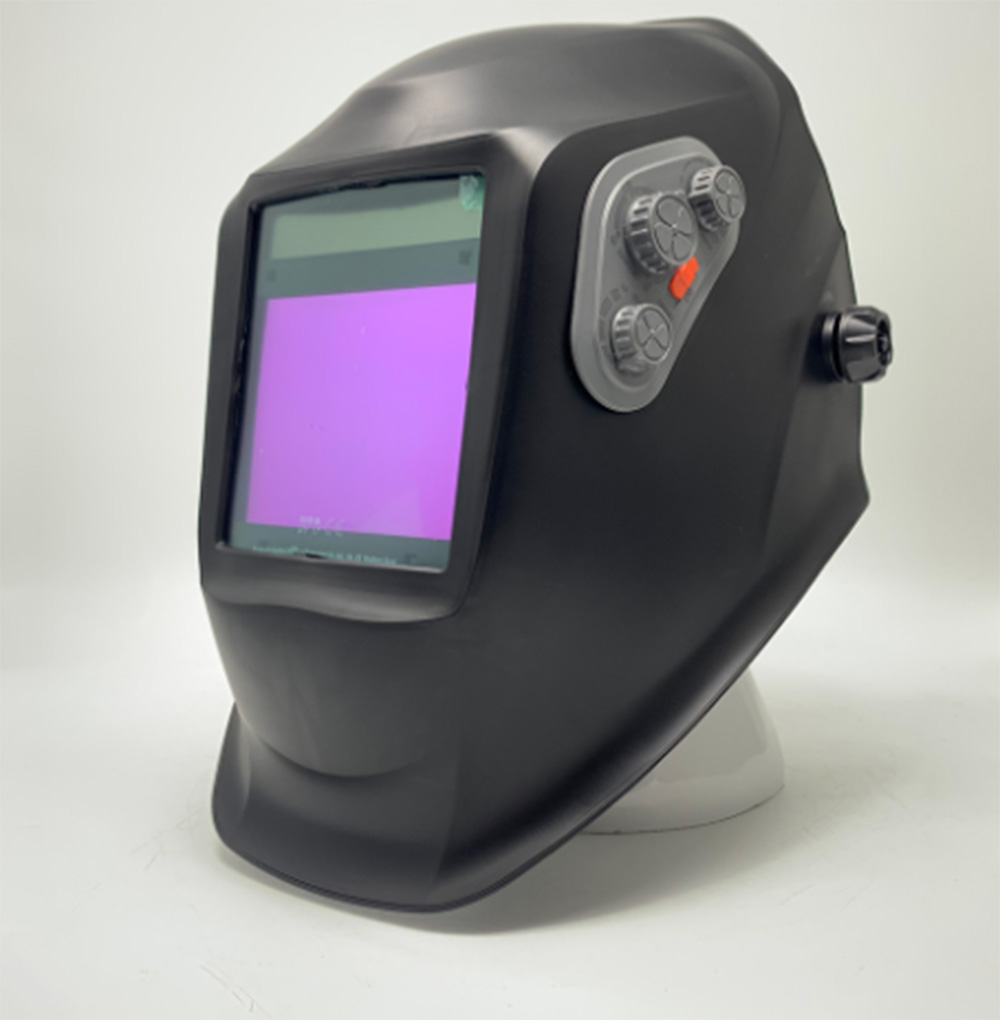
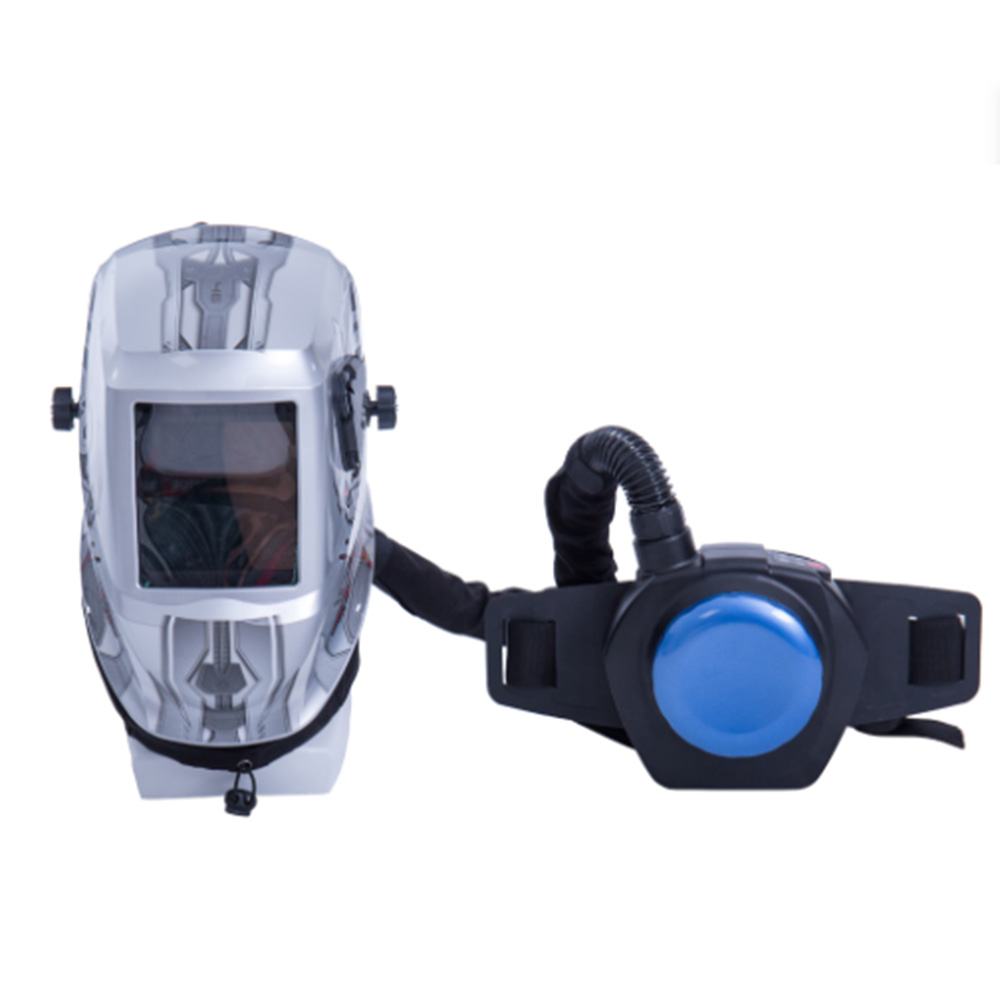
As a dedicated PPE solution expert, junseegroup recommended upgrading the MIG production line to high-clarity auto-darkening welding helmets engineered for top-tier optical performance across distortion, light diffusion, transmittance uniformity, and angular consistency, aligned with international eye-and-face protection benchmarks including EN 379, EN ISO 16321-2:2021, and ANSI Z87.1.
A. Class 1/1/1/1 Optical Clarity & Low Light Diffusion
Upgrading to a 1/1/1/1 optical rating minimizes image distortion and light scatter across the filter, giving welders a sharper view of the arc, wire feed alignment, and molten puddle without straining to resolve fine details.
B. Consistent Off-Angle Transmittance for Tight MIG Joints
Improved angular uniformity ensures shade stability when welders tilt their heads or weld at oblique angles around fixtures, reducing sudden brightness shifts during continuous seam runs.
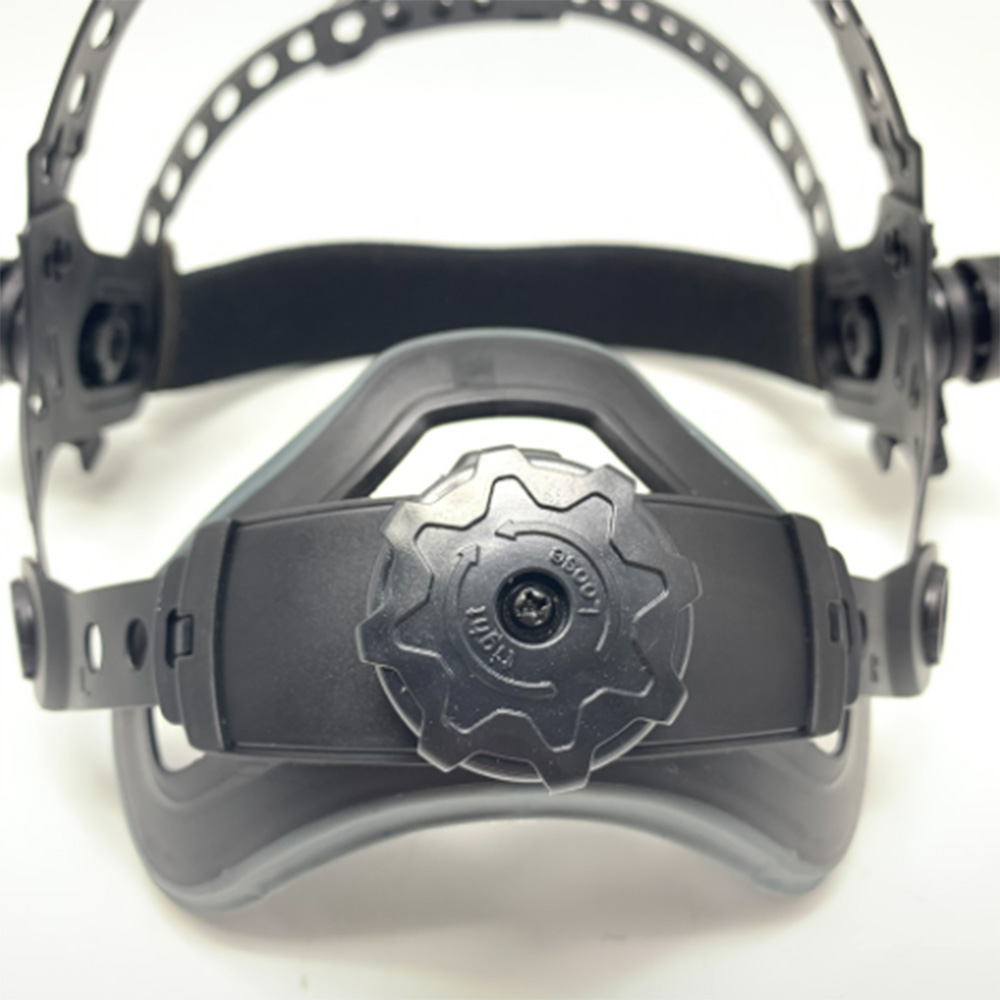
C. Ergonomic Helmet Balance & Integrated PPE Compatibility
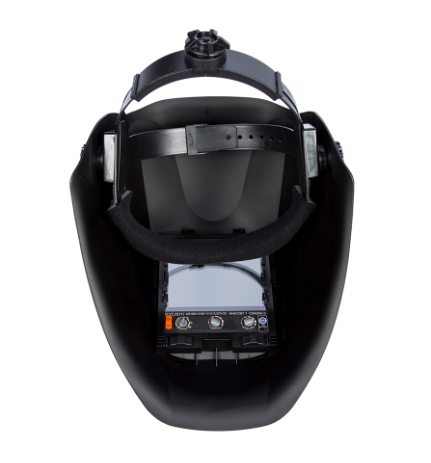
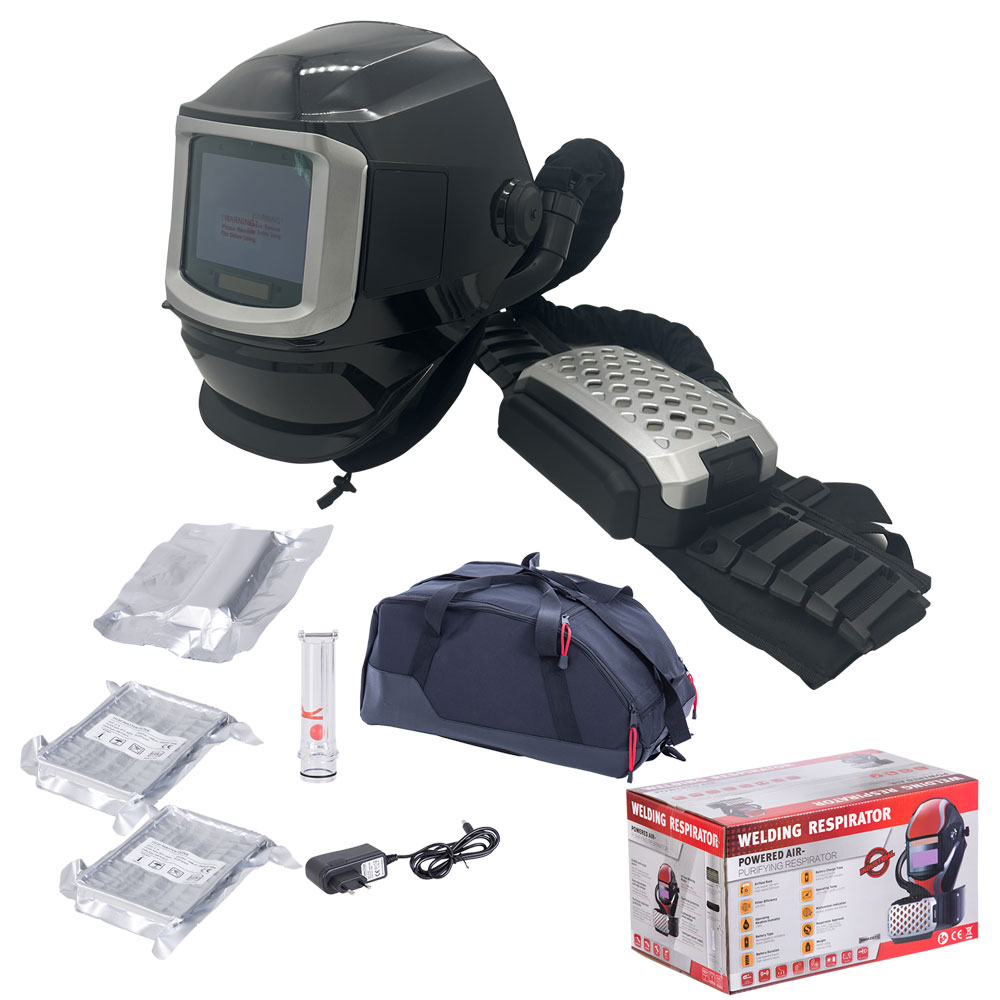
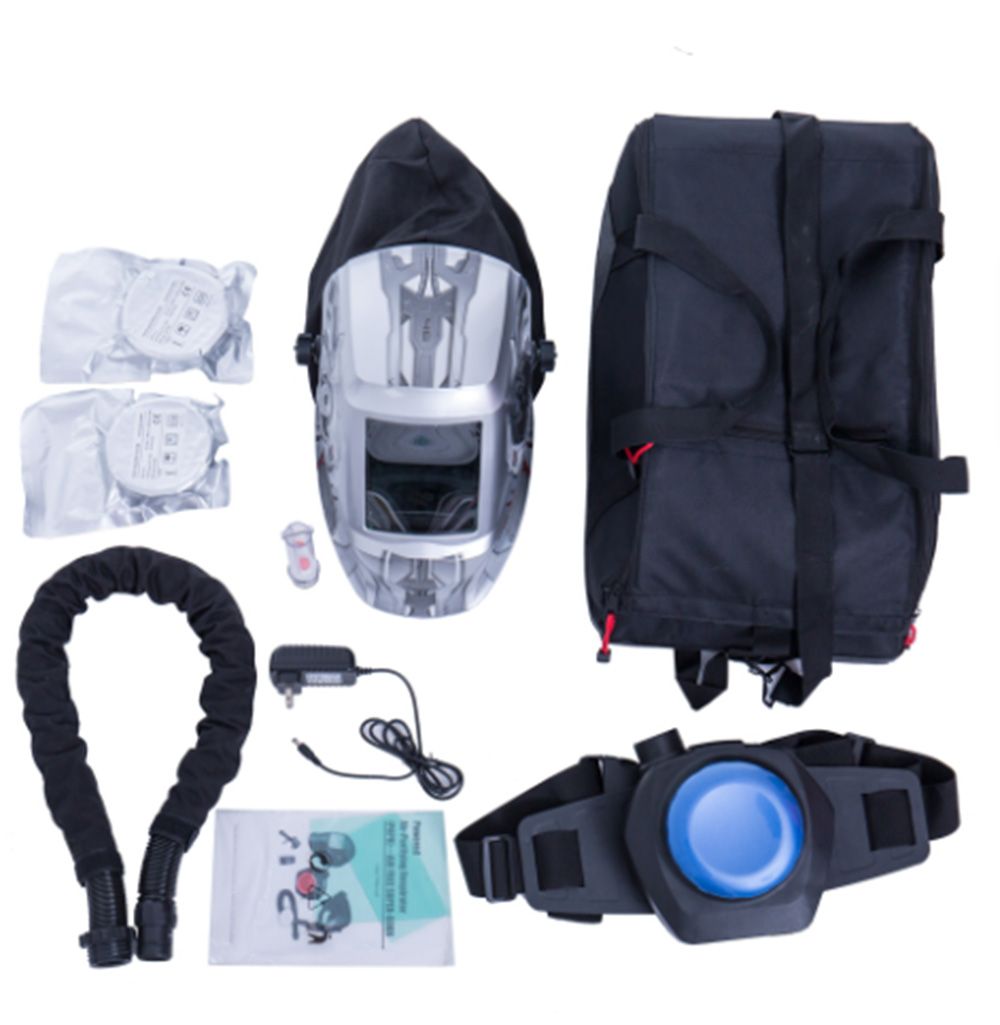
Optical clarity delivers maximum relief when paired with balanced headgear weight distribution and full compatibility with respiratory protection—allowing welders to wear helmets comfortably across full shifts while integrating respiratory gear when needed.
4. Operational & Ergonomic Impact Across MIG Shifts
Following a 6-week controlled deployment across 40 MIG welding stations, safety supervisors and operators logged measurable improvements in visual comfort and weld consistency:
| Evaluation Area | Legacy Auto-Darkening Helmets | junseegroup Optical Class Upgrade |
|---|---|---|
| Optical Clarity & Distortion Control | Noticeable edge/angle variation | 1/1/1/1 high-clarity optical precision |
| Late-Shift Eye Strain Feedback | Frequent squinting & afternoon fatigue | Substantially lower reported visual strain |
| Weld Puddle & Seam Visibility | Reduced contrast in angled positions | Clearer puddle edge & joint tracking |
| Post-Weld Rework Rate | Elevated minor bead touch-ups | Fewer alignment & fusion touch-ups |
5. Conclusion: Investing in Visual Precision for Safer, More Productive Welding
In high-volume MIG manufacturing, clearer optics directly support safer eyes, sharper weld control, and more sustainable shift performance. By engineering welding helmets, full-face respirators, and PAPR systems with rigorous attention to optical quality and workplace ergonomics, junseegroup helps industrial teams protect workers without slowing production.
Looking to reduce welder eye fatigue or standardize welding and respiratory PPE across your fabrication facility? Contact the PPE engineering team at junseegroup today to evaluate optical and protective solutions for your production line.
Your email address will not be published. Required fields are marked