


Understanding Assigned Protection Factor (APF) for PAPR and Full Face Respirators
Published by junseegroup Technical Safety Engineering Department
Introduction: Defining Assigned Protection Factor (APF) in Industrial Safety
In high-risk industrial environments—ranging from chemical processing plants and pharmaceutical cleanrooms to heavy metal fabrication—selecting the appropriate respiratory protection is critical to worker safety and regulatory compliance. Among all performance metrics, the Assigned Protection Factor (APF) serves as the benchmark calculation for workplace safety directors determining permissible exposure limits (PEL).
An APF represents the workplace level of respiratory protection that a properly functioning, correctly fitted respirator or class of respirators is expected to provide to employees when operated under an effective respiratory protection program. As a global leading manufacturer of industrial Personal Protective Equipment (PPE), junseegroup integrates high-efficiency filtration, ergonomic sealing geometry, and positive-pressure airflow dynamics to consistently exceed global OSHA, NIOSH, and EN compliance thresholds.
1. Comparative Analysis: APF Ratings Across Respiratory Classes
Understanding the mathematical and practical distinction between APF levels is fundamental when mitigating chemical hazards, toxic aerosols, and hazardous particulate concentrations:
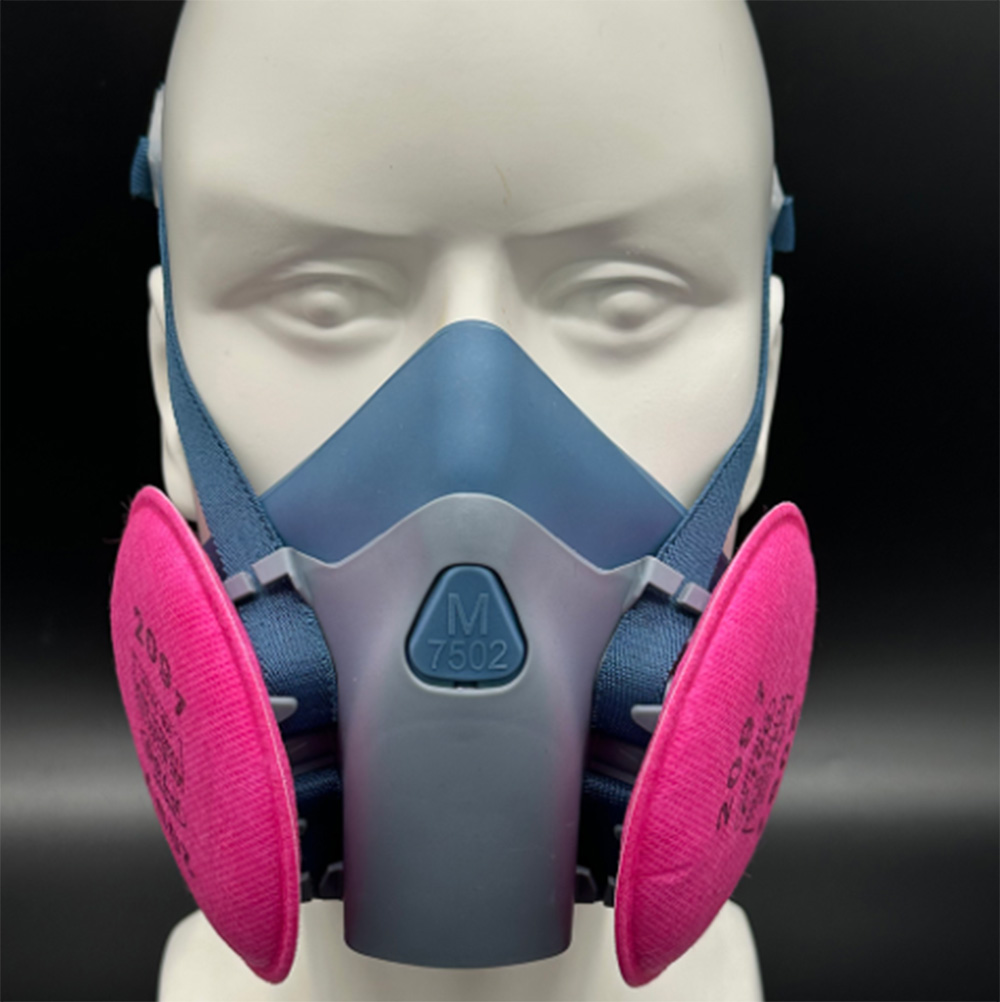
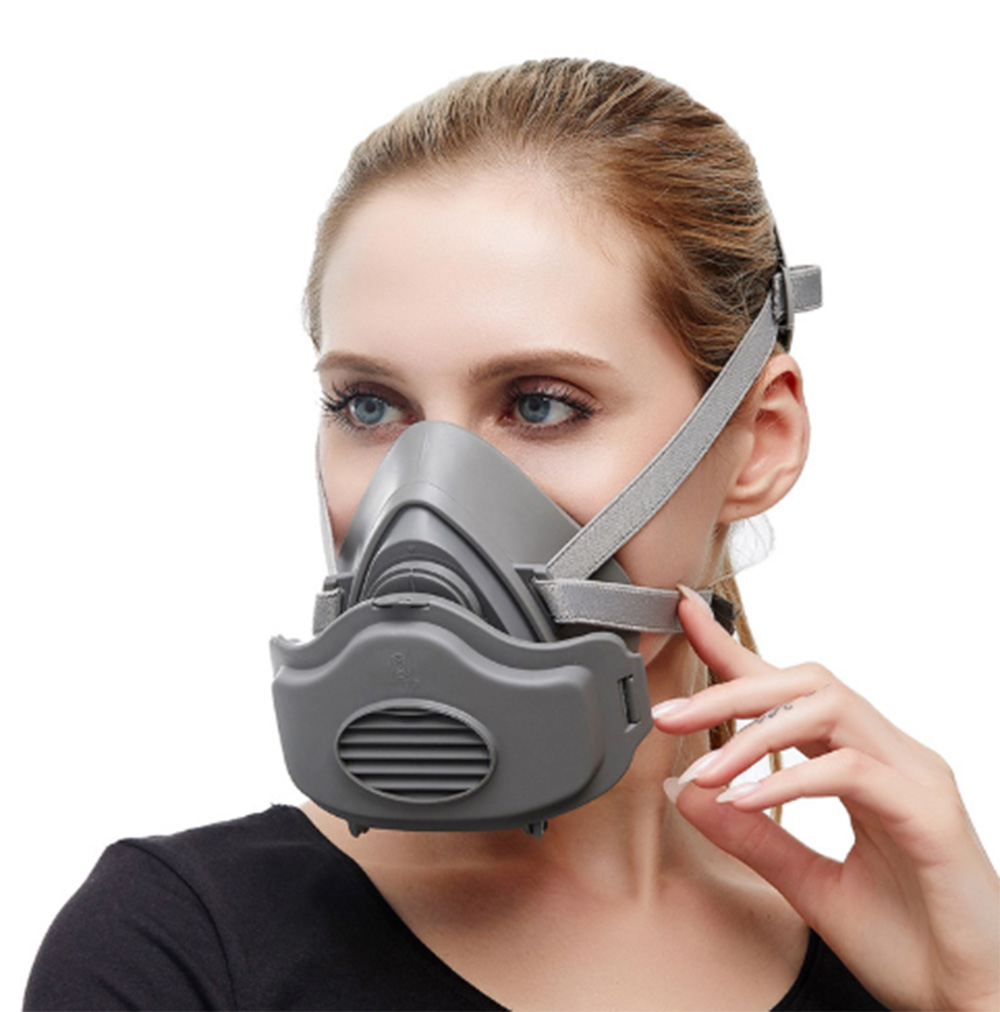
- Half-Mask Air-Purifying Respirators (APF = 10): Reduces ambient contaminant concentration inside the mask by a factor of 10. Suitable only for low-toxicity dusts and nuisance vapors below 10 times the Permissible Exposure Limit (PEL).
- Full-Facepiece Tight-Fitting Respirators (APF = 50): By providing an airtight seal around the entire face, including optical eye protection, elastomeric full-face masks achieve an APF of 50 under OSHA standard 29 CFR 1910.134.
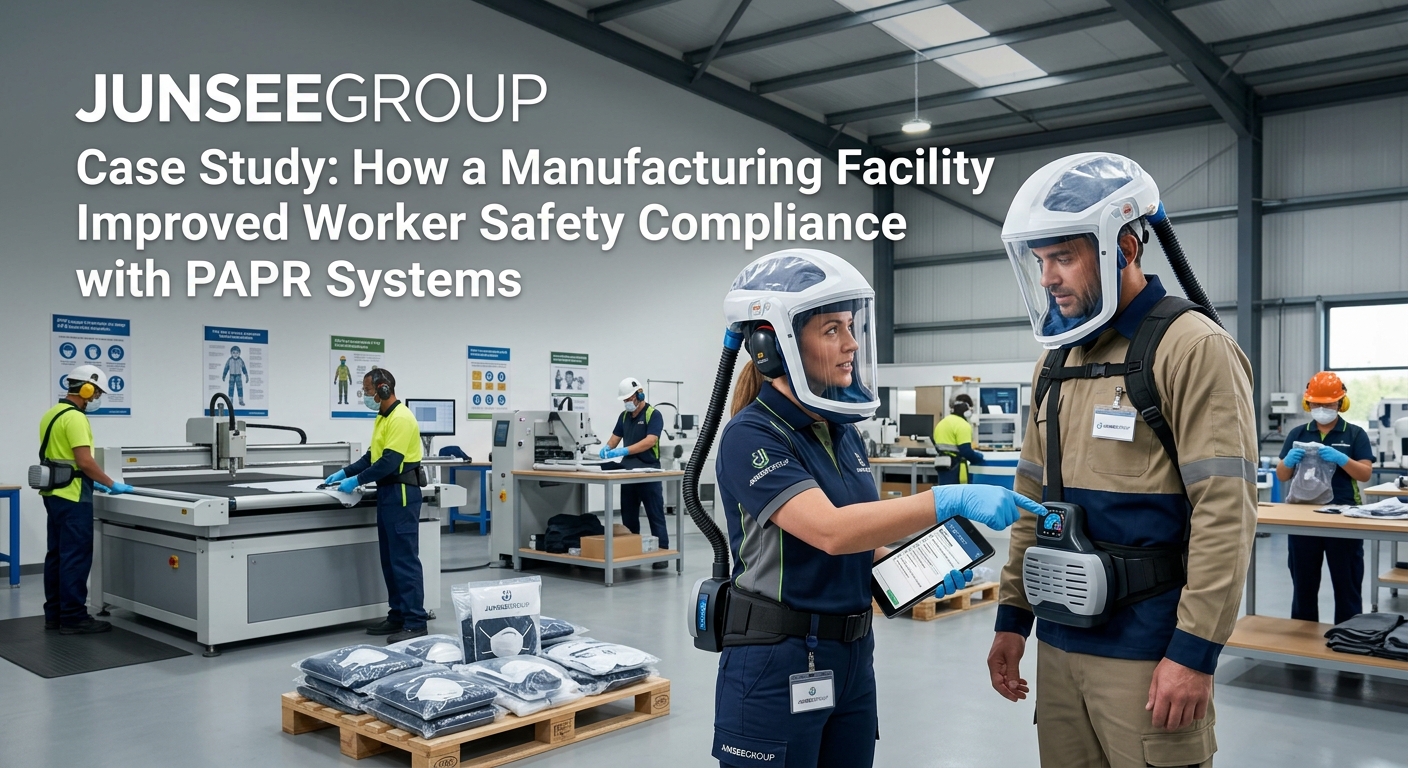
- Powered Air-Purifying Respirators (PAPR) with Loose-Fitting Hoods (APF = 25 or 1000): Loose-fitting PAPR headtops deliver continuous positive air pressure, preventing inward leakage and offering an APF of 25 to 1000 depending on tested hood design and blower rating.
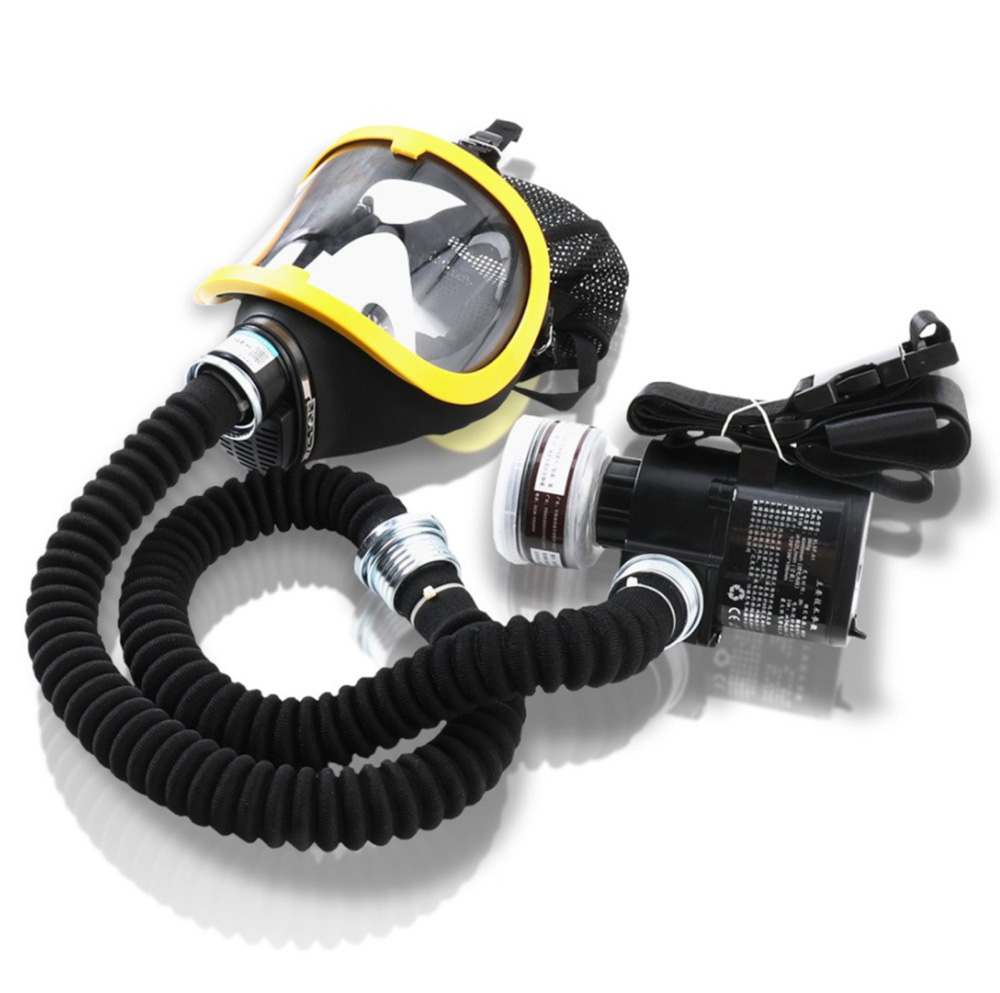
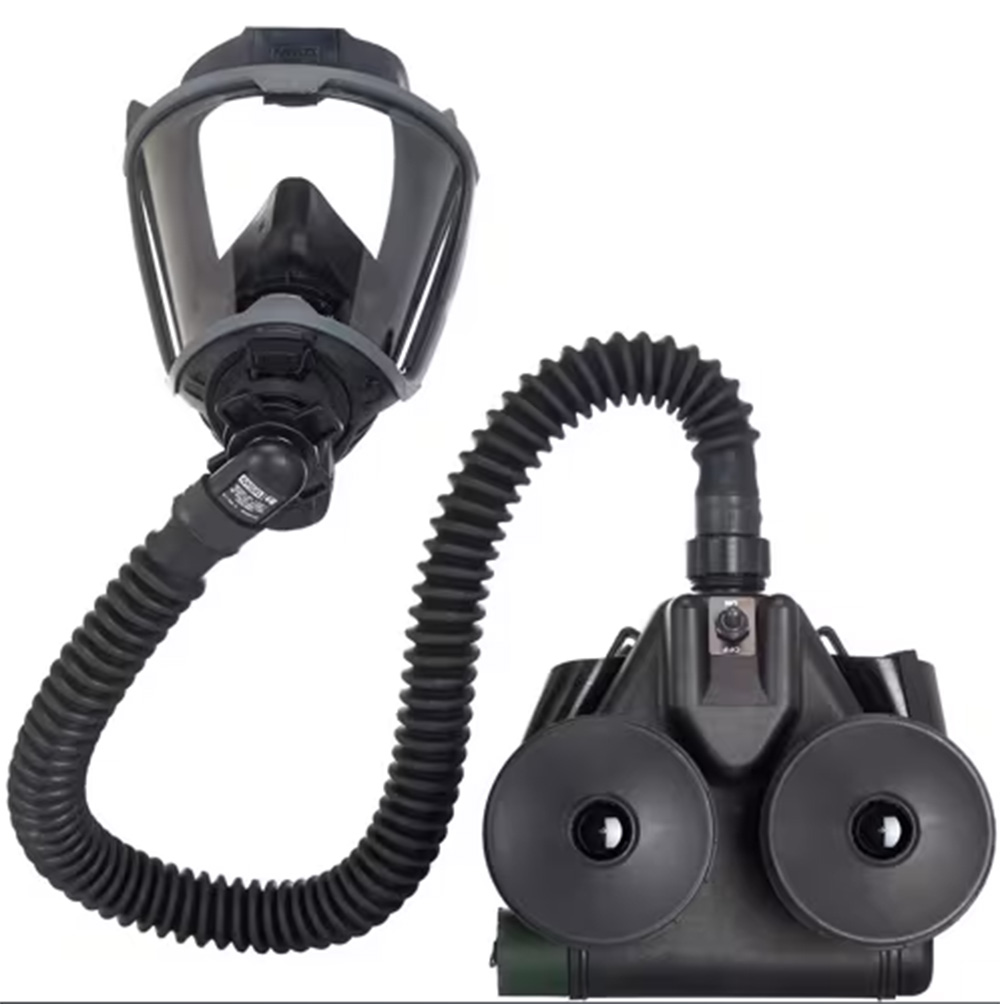
- PAPR Systems with Tight-Fitting Full Facepieces (APF = 1000): Combining negative-pressure seal redundancy with powered positive-pressure airflow, these heavy-duty systems deliver maximum protection (APF 1000) for extremely hazardous environments.
2. APF Selection Methodology and Maximum Use Concentration (MUC)
Safety engineers utilize APF to calculate the Maximum Use Concentration (MUC) for a specific hazardous chemical or airborne contaminant. The mathematical formula is defined as:
Maximum Use Concentration (MUC) = APF × Permissible Exposure Limit (PEL)
For instance, if an industrial process exposes workers to airborne lead with a PEL of 0.05 mg/m³, deploying a junseegroup PAPR system with an APF of 1000 elevates the maximum safe operating threshold to 50 mg/m³. Exceeding this calculation requires transitioning to Supplied-Air Respirators (SAR) or Self-Contained Breathing Apparatus (SCBA).
3. Engineering Mechanics Behind High APF in junseegroup PPE
Achieving a high APF requires rigorous mechanical design, material science precision, and fluid dynamics engineering. junseegroup respiratory equipment integrates several advanced features:
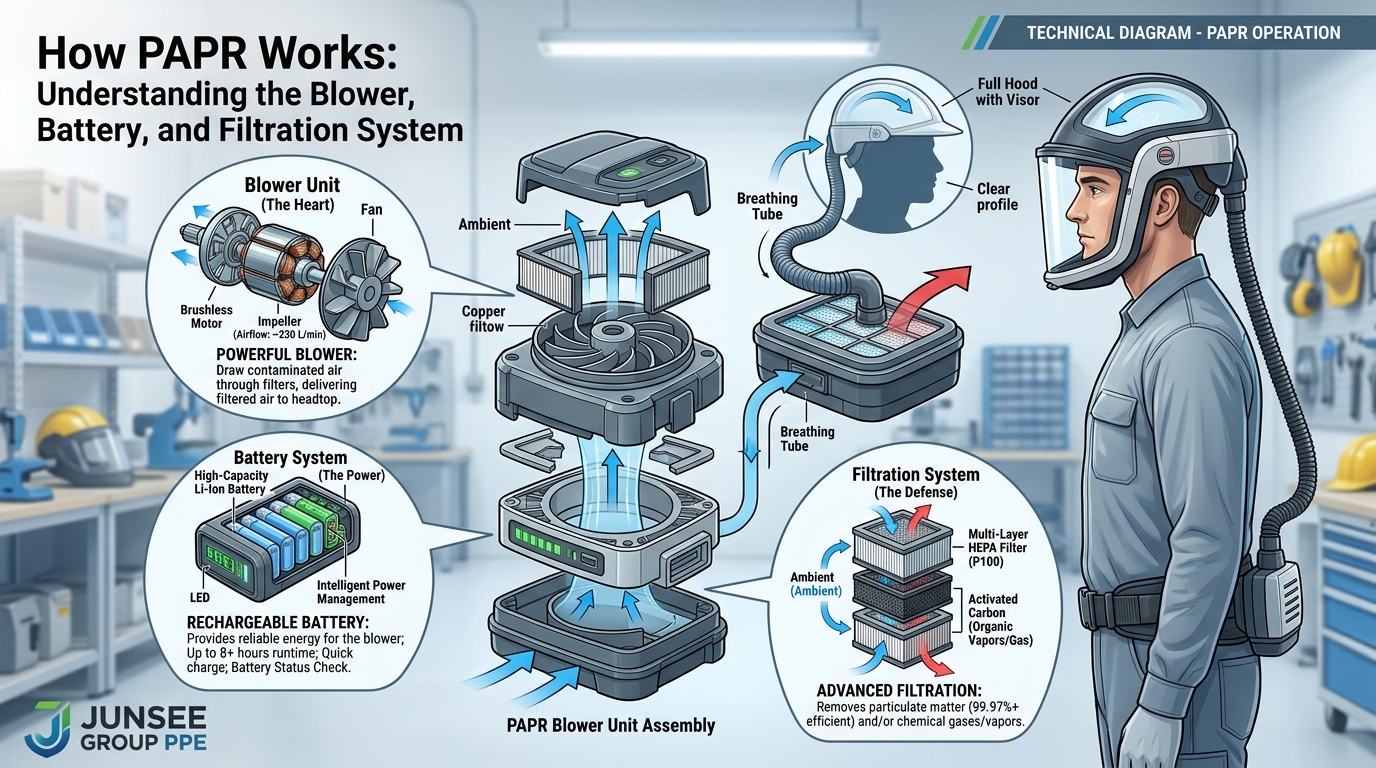
- Dynamic Positive-Pressure Blower Systems: Our PAPR units utilize microprocessor-controlled brushless motor blowers that adjust fan speed in real time based on filter resistance and breathing rate, guaranteeing stable positive air delivery (>170 L/min) to eliminate inward facepiece leakage.
- Ergonomic Dual-Flange Facial Seals: Full-face respirators from junseegroup feature hypoallergenic liquid silicone rubber (LSR) skirts designed via 3D facial contour mapping, ensuring leak-free sealing across diverse facial profiles.
- HEPA/P100 Multi-Layer Filtration: Equipped with ultra-low resistance hydrophobic fiberglass filtration media, junseegroup cartridges capture 99.97% of airborne particles down to 0.3 microns while maintaining low breathing resistance.
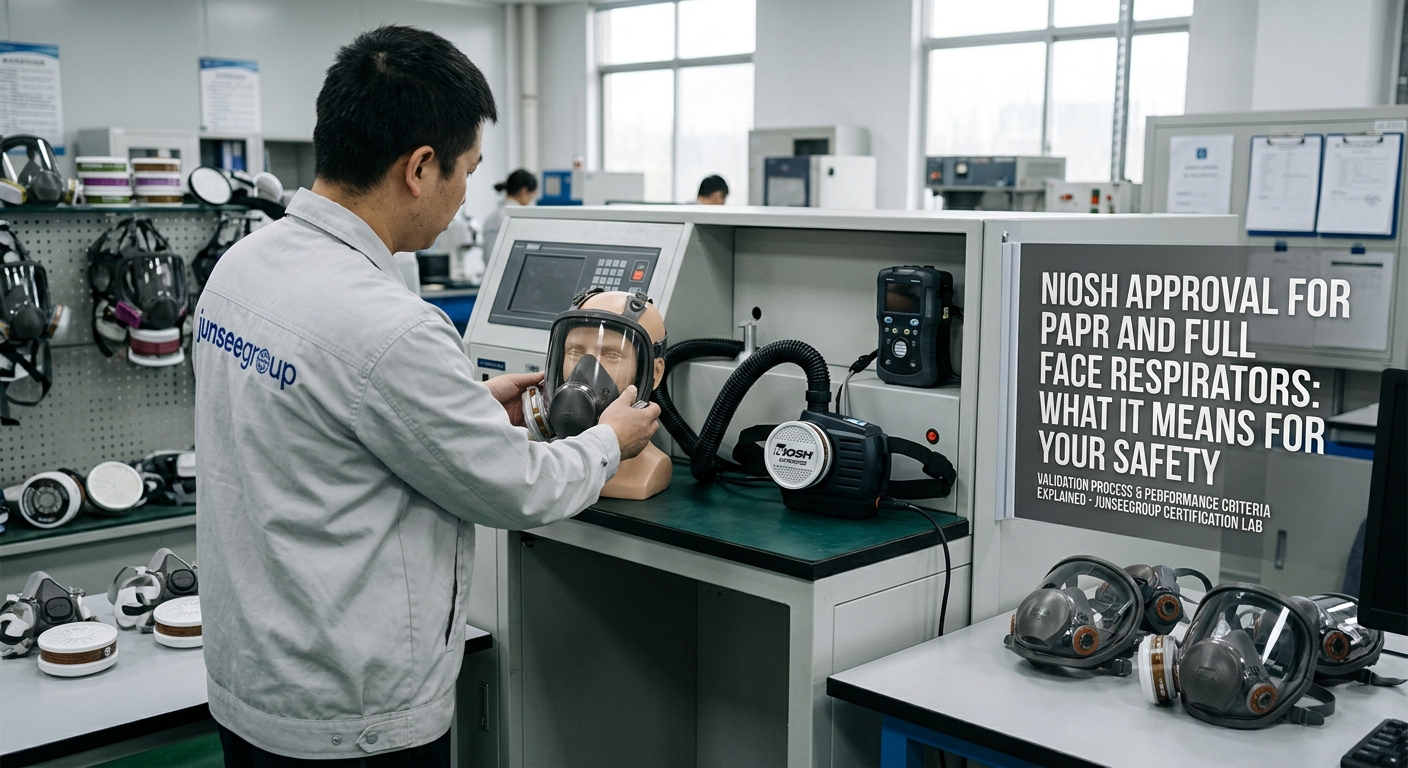
4. Regulatory Standards & Compliance Validation: NIOSH and EN 12942
Every piece of respiratory protection engineered by junseegroup undergoes exhaustive testing protocol validation to verify APF ratings under real-world operational stress:
- Quantitative Fit Testing (QFT): Utilizing ambient particle counting instrumentations (PortaCount), full-face masks are measured against rigorous Fit Factor thresholds exceeding 500 to guarantee nominal protection factors.
- Impact and Optical Compliance (ANSI Z87.1 / EN 166): Polycarbonate visors integrated into junseegroup full-face masks and PAPR hoods provide high-impact protection against flying debris while eliminating visual distortion.
- Exhalation Valve Resistance Testing: Precision-molded low-resistance silicone exhalation valves reduce heat, moisture, and CO2 accumulation inside the breathing zone without compromising sealing integrity.
Conclusion: Partner with junseegroup for Advanced Respiratory Solutions
Selecting the correct Assigned Protection Factor is essential to safeguarding workforce health, maintaining OSHA compliance, and optimizing industrial productivity. As an authoritative manufacturer of industrial PPE, junseegroup provides complete, certified respiratory protection solutions engineered for the most demanding occupational hazards worldwide.
Your email address will not be published. Required fields are marked