
In industrial environments, the air workers breathe can contain hazards ranging from fine dust particles to toxic gases and vapors. Each hazard type requires specific respiratory protection. Using the wrong protection can be just as dangerous as using none at all.
At junseegroup, we manufacture a complete range of respiratory protection equipment, from disposable dust masks to reusable gas masks with interchangeable cartridges. But providing the equipment is only half the solution. The other half is helping workers and safety managers select the correct protection for their specific hazards.
This article provides a comprehensive guide to selecting the right respiratory protection based on the types of dust and gas hazards present in your workplace.
Before selecting protection, you must understand what you are protecting against. Respiratory hazards fall into two main categories: particulate hazards and gas/vapor hazards.
Particulate Hazards
Particulates are solid or liquid particles suspended in the air. They include dusts from grinding, sanding, or crushing operations, fumes from welding or metalworking, mists from spraying or coating operations, fibers from insulation or textile processing, and biological particles such as mold spores or bacteria.
Gas and Vapor Hazards
Gases and vapors are airborne substances that exist in a gaseous state at room temperature. Gases include chlorine, ammonia, carbon monoxide, and hydrogen sulfide. Vapors are the gaseous form of substances that are normally liquid or solid, such as solvent vapors, paint fumes, and chemical vapors.
Many industrial environments contain both particulate and gas hazards, requiring protection that addresses both simultaneously.
Dust masks, also known as particulate respirators, protect against airborne particles. They do not protect against gases or vapors.
Filter Classifications
Respiratory protection standards vary by region, but the principles are consistent. In the United States, NIOSH classifies particulate filters as N, R, or P series. N series are not resistant to oil, R series are resistant to oil, and P series are oil-proof. Efficiency levels include 95 percent, 99 percent, and 99.97 percent for N100, R100, and P100.
In Europe, EN standards classify filters as P1 for low efficiency filtering at least 80 percent of particles, P2 for medium efficiency filtering at least 94 percent of particles, and P3 for high efficiency filtering at least 99.95 percent of particles.
junseegroup offers dust masks across all classification levels to meet diverse application requirements.
Selecting the Right Dust Mask
The correct dust mask depends on the type and concentration of particulates in your workplace.
For nuisance dust from general cleaning, sweeping, or yard work, an N95 or P1 mask provides adequate protection. These masks filter at least 95 percent of airborne particles.
For industrial dust from woodworking, construction, or mining, an N95 or P2 mask is recommended. The higher efficiency provides better protection against fine dust particles.
For toxic dust from lead, cadmium, or other hazardous materials, a P100 or P3 mask is required. These masks filter at least 99.97 percent of particles and are oil-proof for protection against oil-based aerosols.
For welding fumes and metalworking, a P100 or P3 mask with additional features for nuisance organic vapors may be appropriate. Welding fumes contain both particulates and gases, requiring more comprehensive protection.
For biological hazards such as mold remediation or healthcare settings, an N95 or higher mask with fluid resistance is recommended.
Application-Specific Recommendations
For construction and demolition dust containing silica, concrete, and wood particles, junseegroup recommends N95 or P2 masks with exhalation valves for comfort during extended wear.
For mining and mineral processing dust containing coal, silica, and other mineral particles, P100 or P3 masks with replaceable filters are recommended for high-exposure environments.
For pharmaceutical and chemical powder handling, P100 or P3 masks with sealed edges prevent powder bypass around the mask seal.
For food processing dust from flour, sugar, and spice handling, N95 or P2 masks with food-grade materials are available.
Gas masks, also known as chemical cartridge respirators, protect against specific gases and vapors. They use replaceable cartridges containing materials that absorb or neutralize specific chemicals.
Cartridge Color Codes and Classifications
Different colors indicate the types of gases and vapors the cartridge protects against. junseegroup follows international color-coding standards.
Black cartridges protect against organic vapors from solvents, paints, and fuels. Applications include painting, printing, and chemical handling.
Green cartridges protect against ammonia and ammonia derivatives. Applications include fertilizer handling, refrigeration, and cleaning.
Brown cartridges protect against acid gases including sulfur dioxide, chlorine, and hydrogen chloride. Applications include chemical plants, laboratories, and battery charging.
Yellow cartridges protect against organic vapors and acid gases in combination. Applications include multi-hazard environments with both hazard types.
Olive cartridges protect against particulate and gas combinations. Applications include spray painting, pesticide application, and chemical mixing.
Red cartridges protect against organic vapors with higher boiling points. Applications include specialized chemical processing.
Blue cartridges protect against carbon monoxide. Applications include firefighting, confined space entry, and mine rescue.
Selecting the Right Gas Mask Cartridge
The correct gas mask cartridge depends entirely on the specific chemicals present in your workplace. Using the wrong cartridge provides no protection.
First, identify the specific chemical hazard. Read safety data sheets for all chemicals used in your workplace. The SDS will identify the specific hazards and recommended protection.
Second, confirm the concentration. Cartridges have capacity limits. Very high concentrations may exceed cartridge capacity or require supplied air respirators.
Third, verify cartridge compatibility. Some cartridges protect against multiple related chemicals. Others are specific to single chemicals. Check the cartridge specifications.
Fourth, consider combined hazards. If both particulates and gases are present, use a combination cartridge or add a particulate pre-filter to a gas mask.
Fifth, establish a cartridge change schedule. Cartridges have limited service life. Change schedules should be based on usage, concentration, and environmental conditions.
Application-Specific Recommendations
For painting and coating operations with organic solvent vapors, junseegroup recommends black organic vapor cartridges with particulate pre-filters for spray applications.
For wastewater treatment and fertilizer handling with ammonia exposure, green ammonia cartridges provide effective protection.
For chemical manufacturing with acid gas exposure, brown acid gas cartridges are required. Multiple cartridge types may be needed if multiple acid gases are present.
For confined space entry where unknown hazards may exist, a combination cartridge with both organic vapor and acid gas protection is recommended, along with particulate filtration.
For emergency response where chemical identity is unknown, the highest level of protection is required. Supplied air respirators may be necessary.
Many industrial environments contain both particulates and gases. Welding produces both metal fumes and gases. Spray painting produces paint mist and solvent vapors. Chemical mixing produces dust and chemical vapors.
For these environments, junseegroup offers combination protection. One option is a gas mask with a particulate pre-filter attached. The pre-filter removes particulates before they reach the gas cartridge, extending cartridge life and providing complete protection.
Another option is a combination cartridge that integrates both particulate and gas protection in a single unit. These are convenient for applications where both hazards are consistently present.
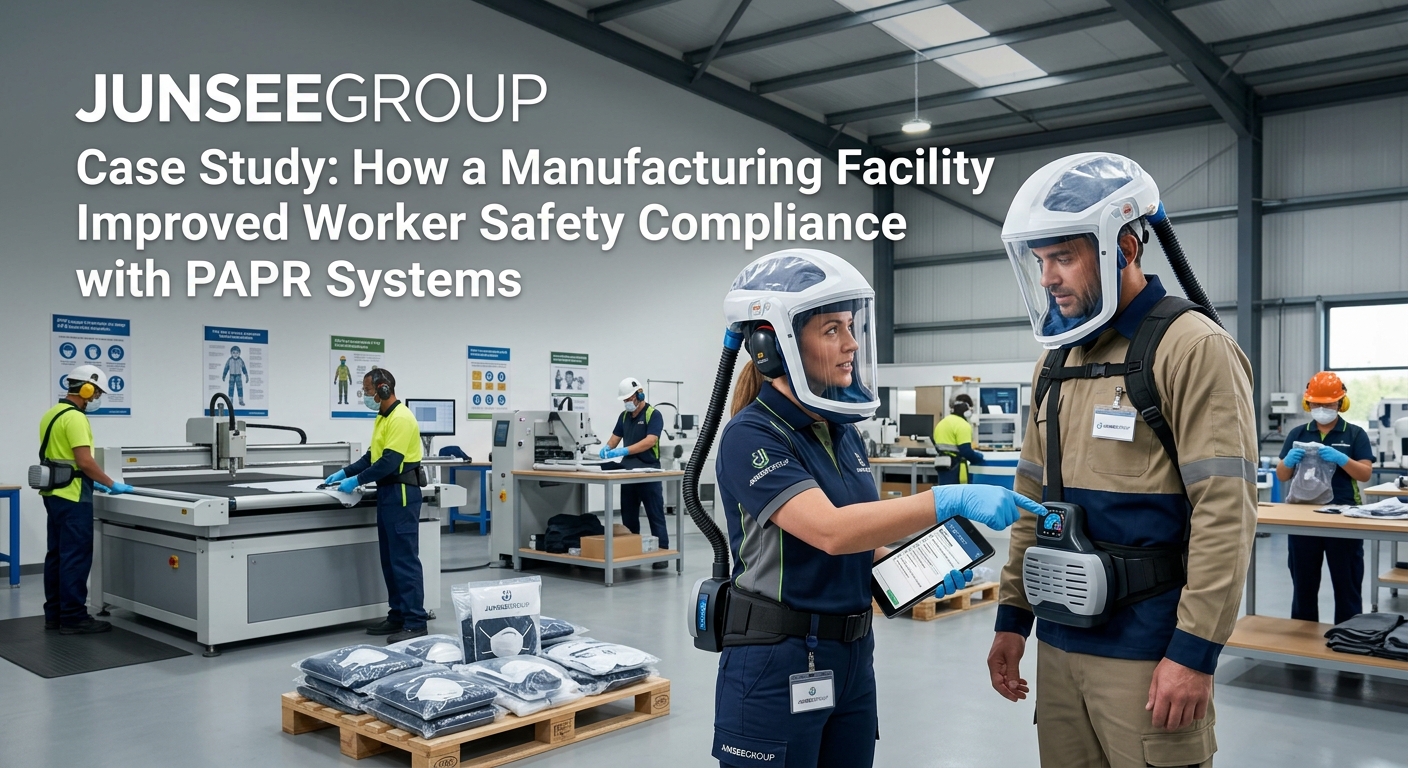
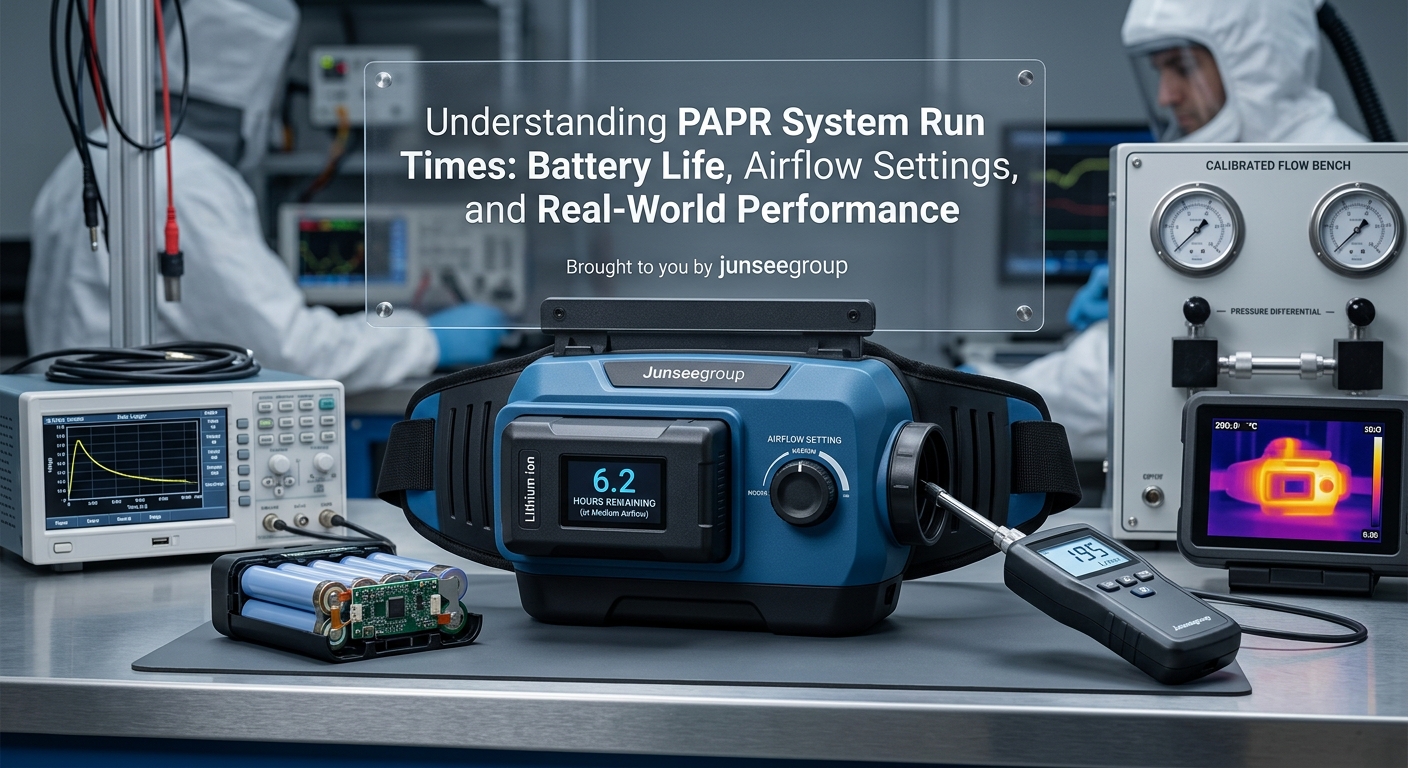
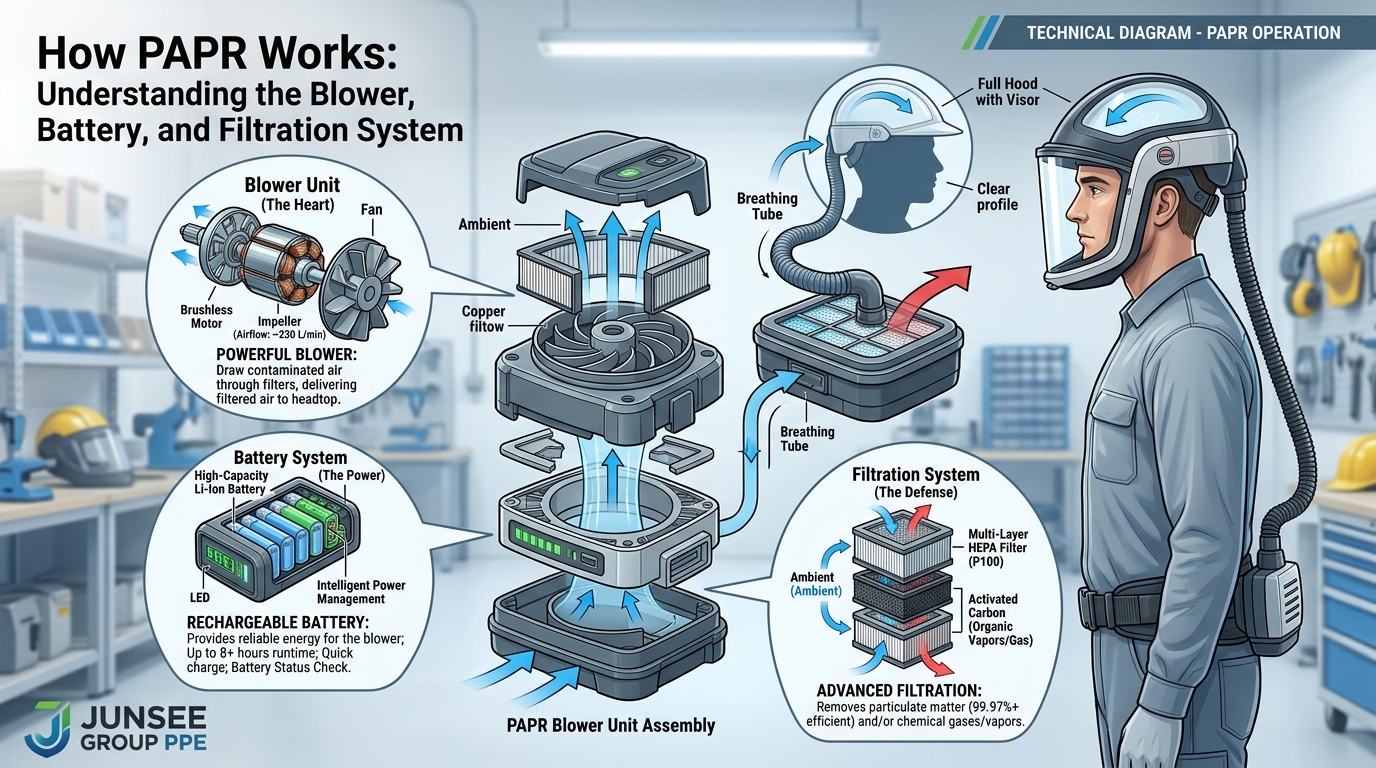
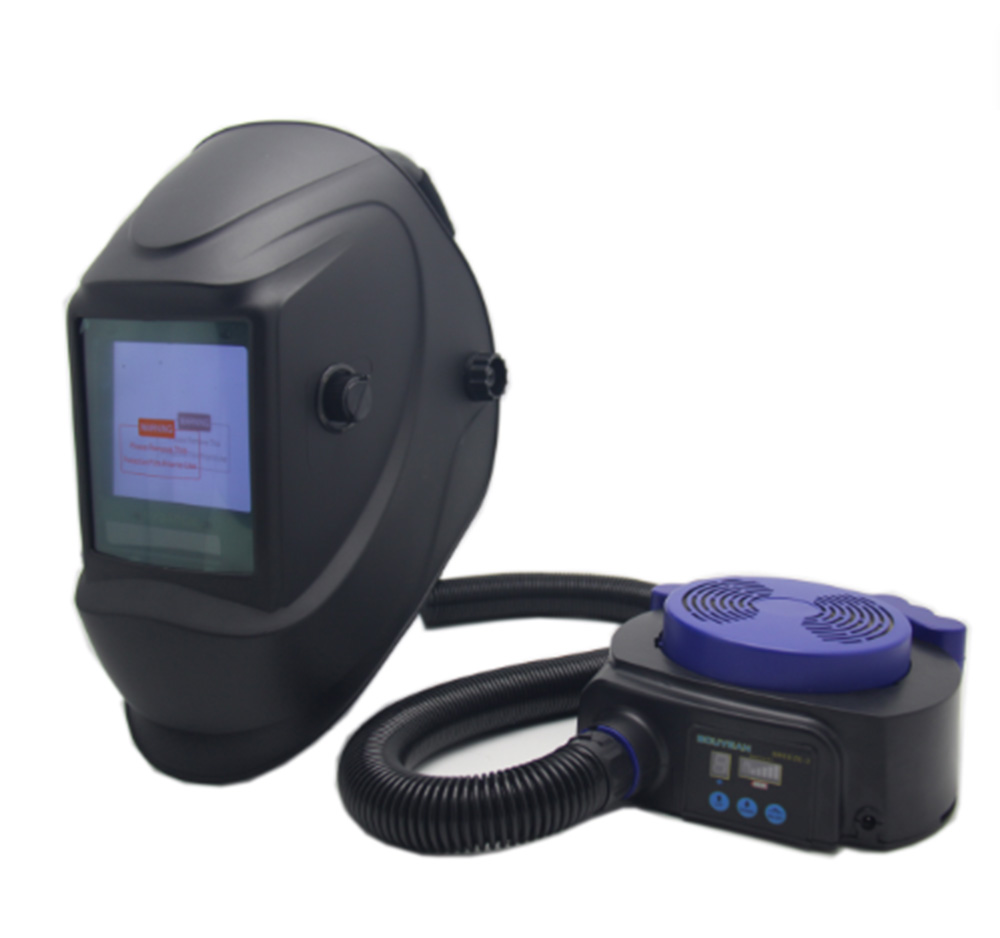
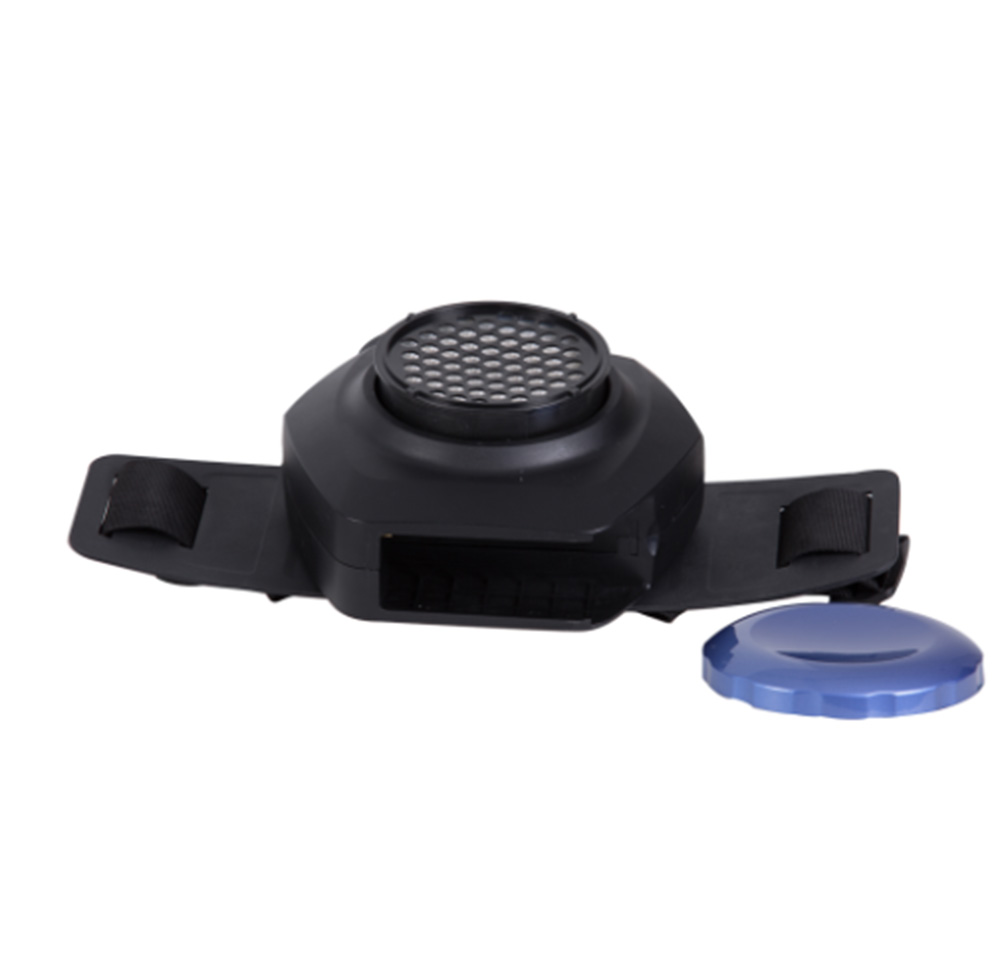
For high-concentration or extended-duration applications, powered air-purifying respirators may be appropriate. These use a battery-powered blower to pull air through combination filters, providing positive pressure and reducing breathing resistance.
Even the best respirator provides no protection if it does not fit properly. junseegroup strongly recommends fit testing for all tight-fitting respirators.
Qualitative fit testing uses a test agent that the wearer can taste or smell if the seal is inadequate. This is suitable for half-mask respirators.
Quantitative fit testing uses specialized equipment to measure actual fit factor. This provides more precise results and is often required for full-face respirators.
Fit testing should be performed initially when a worker is assigned a respirator, annually thereafter, and whenever the worker's facial features change significantly due to weight loss, dental work, or facial scarring.
junseegroup provides fit testing guidance and can recommend qualified fit testing providers.
Proper maintenance extends respirator life and ensures reliable protection.
For dust masks, disposable masks should be discarded after each shift or when breathing resistance increases. Reusable masks with replaceable filters should be cleaned after each use with mild soap and water. Filters should be replaced when breathing resistance increases or according to schedule.
For gas masks, cartridges should be replaced according to an established change schedule based on usage and concentration. Cartridges should be stored in sealed containers when not in use to prevent absorption of ambient contaminants. The mask body should be cleaned after each use with mild soap and water. The exhalation valve should be inspected regularly for damage or deterioration.
junseugroup provides detailed maintenance instructions with every respirator.
Respiratory protection programs must comply with applicable regulations. In the United States, OSHA Standard 1910.134 requires written respiratory protection programs, medical evaluation of workers, fit testing, and training.
In Europe, EN standards require appropriate respirator selection based on hazard assessment and proper training in use and maintenance.
junseegroup respirators are certified to applicable international standards, including NIOSH for the United States, CE/EN for Europe, and other regional certifications as required.
junseegroup offers a complete range of respiratory protection equipment.
Disposable Dust Masks
Our disposable dust mask line includes N95 and P1 masks for general dust protection, N99 and P2 masks for industrial dust, and P100 and P3 masks for toxic dust and welding fumes. All feature comfortable sealing surfaces, adjustable nose clips, and low breathing resistance.
Reusable Dust Masks
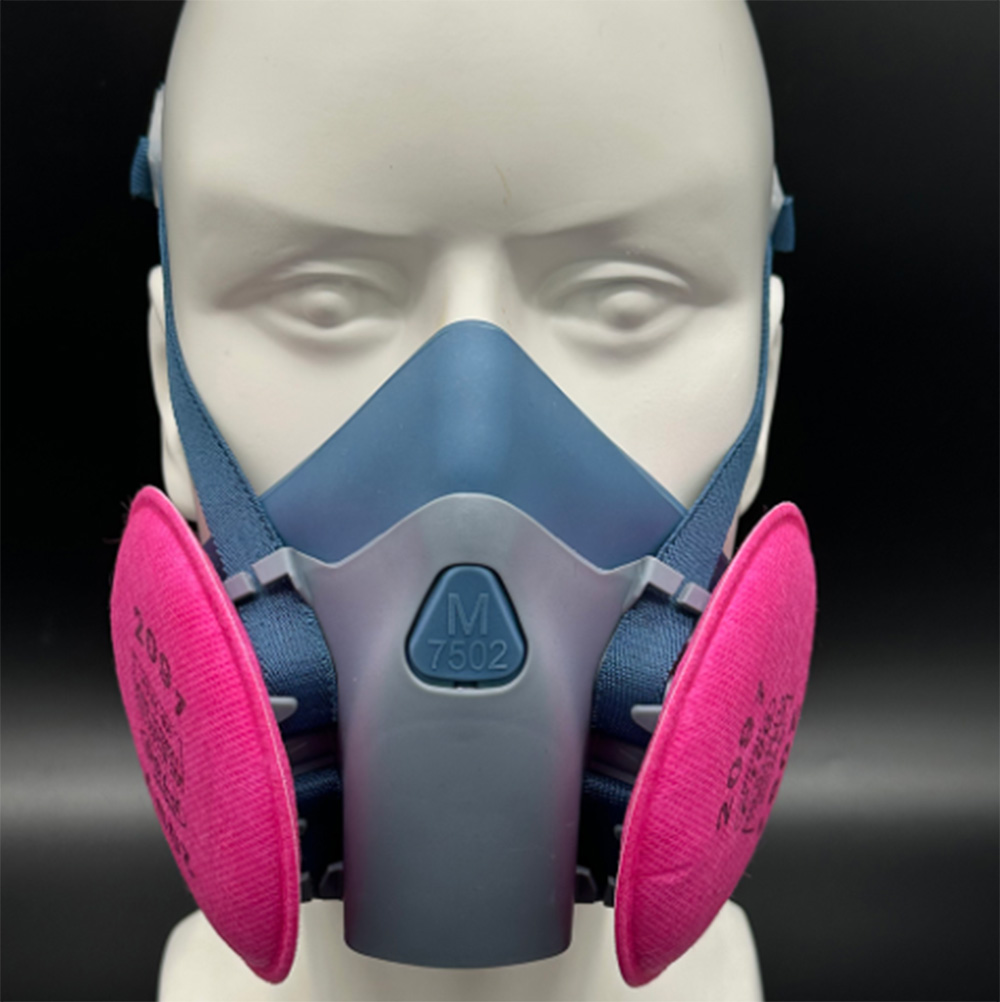
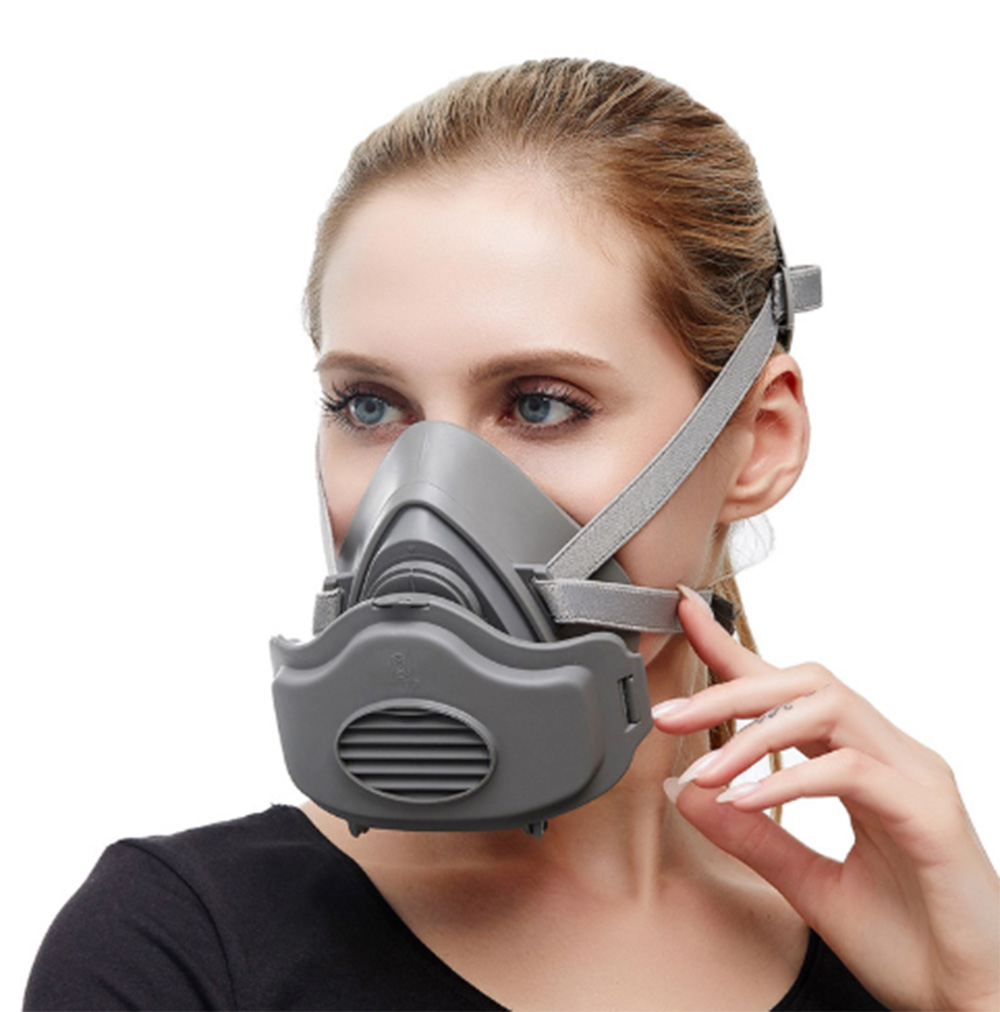
Our reusable dust masks feature replaceable filters for extended service life. Half-mask designs accommodate safety glasses and other PPE. Silicone sealing surfaces provide comfortable, durable fit.
Gas Masks
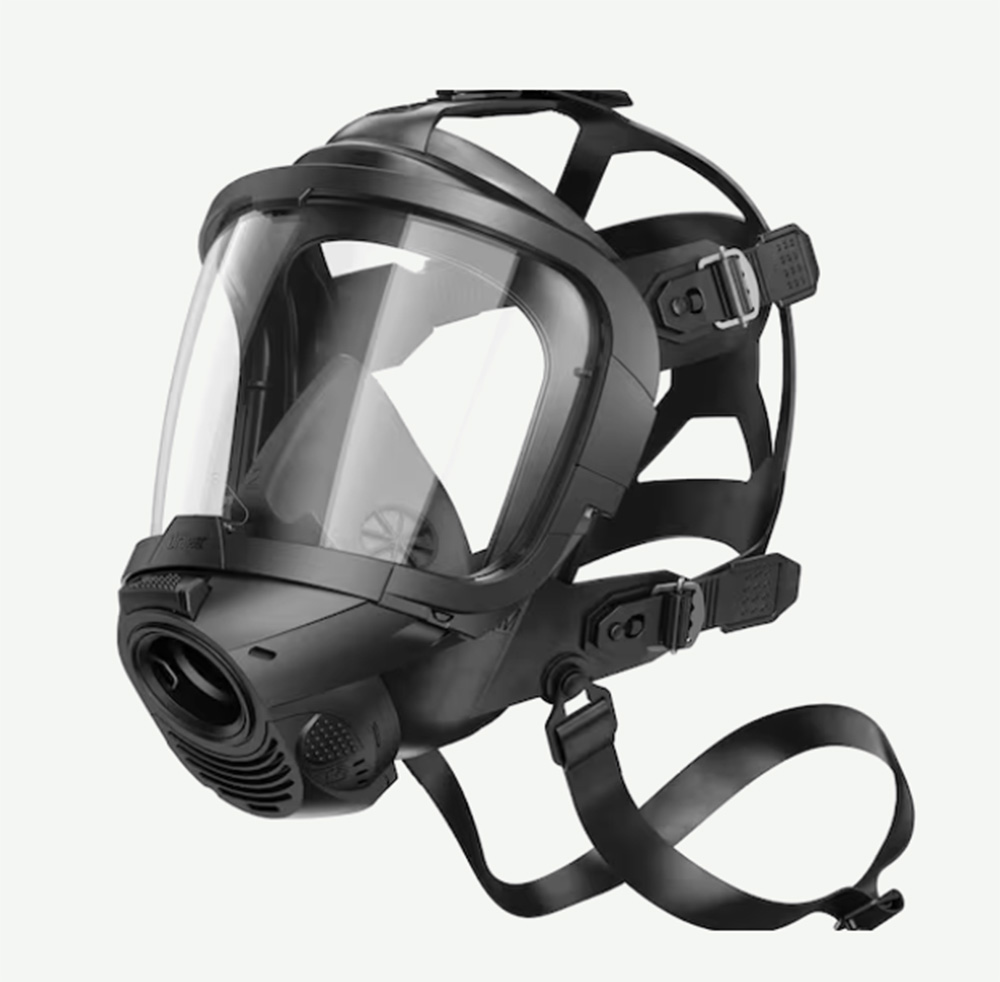
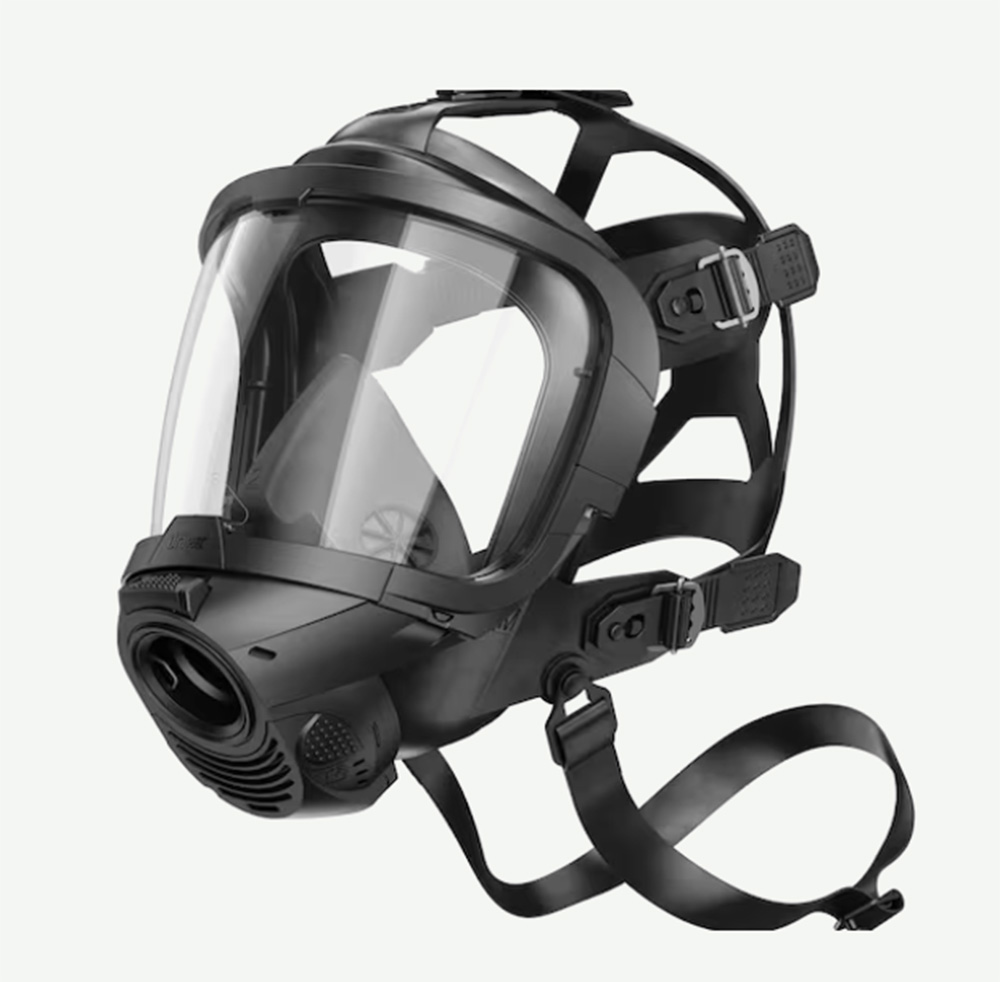
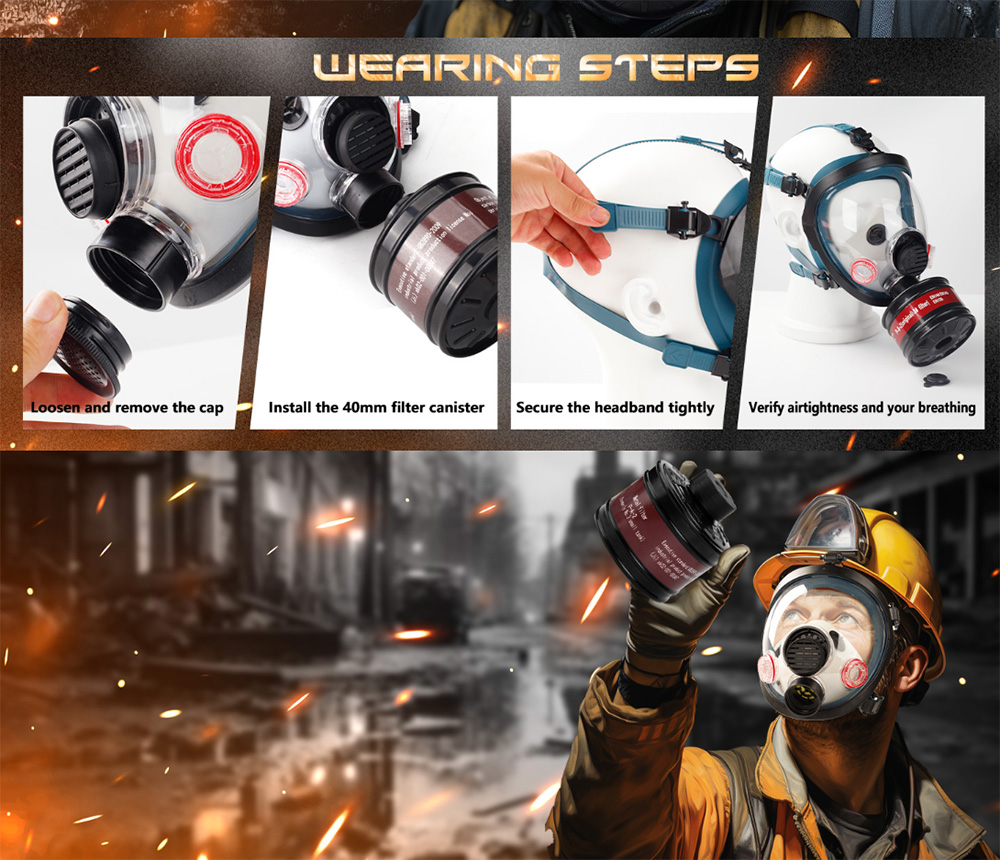
Our gas mask line includes half-mask respirators for lightweight gas protection, full-face respirators for eye and face protection, and powered air-purifying respirators for extended use. A full range of cartridges covers organic vapors, acid gases, ammonia, and combination hazards.
Replacement Parts
We offer replacement cartridges for all gas mask types, replacement filters for dust masks, replacement parts for mask bodies including head straps and exhalation valves, and cleaning supplies for proper maintenance.
To select the correct respiratory protection, follow this decision tree.
First, identify the hazard. Is it particulates only, gases or vapors only, or both?
If particulates only, select a dust mask. For low concentrations of non-toxic dust, choose an N95 or P1 mask. For moderate concentrations of industrial dust, choose an N95 or P2 mask. For high concentrations or toxic dust, choose a P100 or P3 mask.
If gases or vapors only, select a gas mask. Identify the specific chemical and select the corresponding cartridge color. Consider concentration and expected duration of use. For unknown or highly hazardous gases, use supplied air.
If both particulates and gases, select combination protection. For most applications, a gas mask with particulate pre-filter works well. For high concentrations or extended use, consider a powered air-purifying respirator.
Finally, ensure proper fit. Perform fit testing. Train workers on proper use and maintenance. Establish cartridge change schedules. Conduct regular program audits.
Respiratory protection is not one-size-fits-all. The correct choice depends entirely on the specific hazards present in your workplace.
junseegroup offers a complete range of dust masks, gas masks, and combination protection to address every respiratory hazard. Our products are certified to international standards, designed for comfort and durability, and backed by comprehensive technical support.
Whether your workers face wood dust or welding fumes, solvent vapors or acid gases, junseegroup has the respiratory protection solution you need.
Choose junseegroup. Choose the right protection for every hazard.


Your email address will not be published. Required fields are marked