
Protective safety shields are essential tools for ensuring the safety of workers in various industrial and manufacturing environments. These shields are designed to protect individuals from potential hazards, such as flying debris, sparks, radiation, and chemical splashes. But how much protection do these safety shields really provide? In this article, we will explore the different types of protective safety shields, their effectiveness, and the key features that make them essential for workplace safety.
Protective safety shields are physical barriers designed to protect workers from hazardous situations. They are typically made from materials such as clear acrylic, polycarbonate, or metal, and are used in a variety of industries, including welding, chemical processing, and heavy machinery operations. The shields are commonly used to protect workers from:
Flying Debris: Small particles or objects that can be ejected during grinding, cutting, or other machinery operations.
Heat and Sparks: Hot metal pieces or sparks produced during welding or other high-temperature processes.
Radiation: In industries such as medical imaging or nuclear work, safety shields can provide protection from harmful radiation exposure.
Chemical Splashes: In laboratories and chemical processing plants, safety shields protect workers from accidental splashes of hazardous chemicals.
The level of protection provided by a safety shield depends on several factors, including the material, design, and intended use of the shield. Let’s look at these factors in more detail:
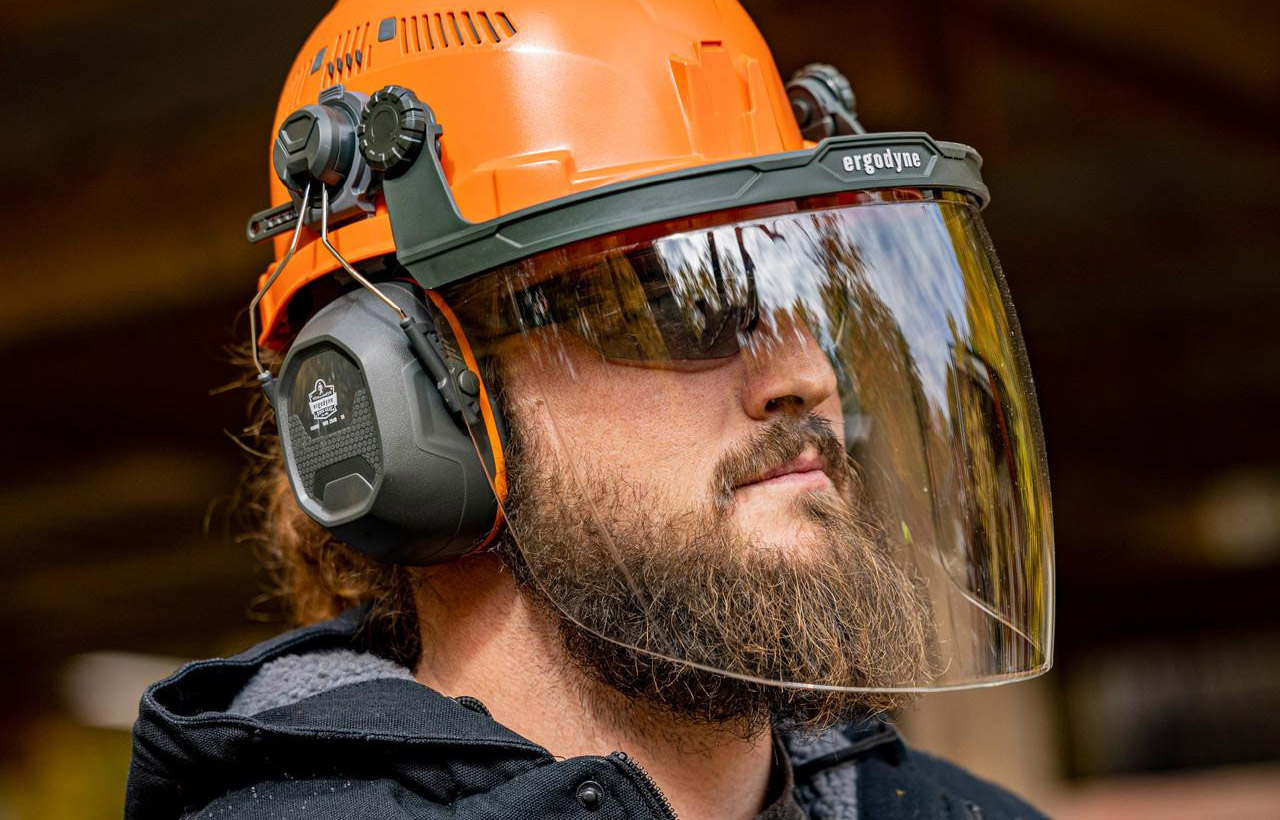
Acrylic and Polycarbonate: Both materials are transparent and offer excellent protection against flying debris, heat, and sparks. Polycarbonate, however, is more impact-resistant than acrylic, making it the better choice for environments where high-impact protection is necessary.
Metal Shields: These are typically used in environments with high heat or radiation exposure. Metal shields provide superior protection against extreme temperatures, radiation, and certain types of chemical splashes.
The design of a protective shield plays a key role in its effectiveness. For example:
Full Face Shields: These offer the highest level of protection as they cover the entire face, neck, and often the upper chest area. This type of shield is commonly used in welding, chemical labs, and other high-risk environments.
Partially Enclosed Shields: These shields cover only a portion of the body or face, offering protection to specific areas, such as the eyes, face, or torso.
Portable Shields: These shields can be moved and adjusted to provide protection in different areas, offering flexibility in various work environments.
The protection level also depends on the specific workplace hazards:
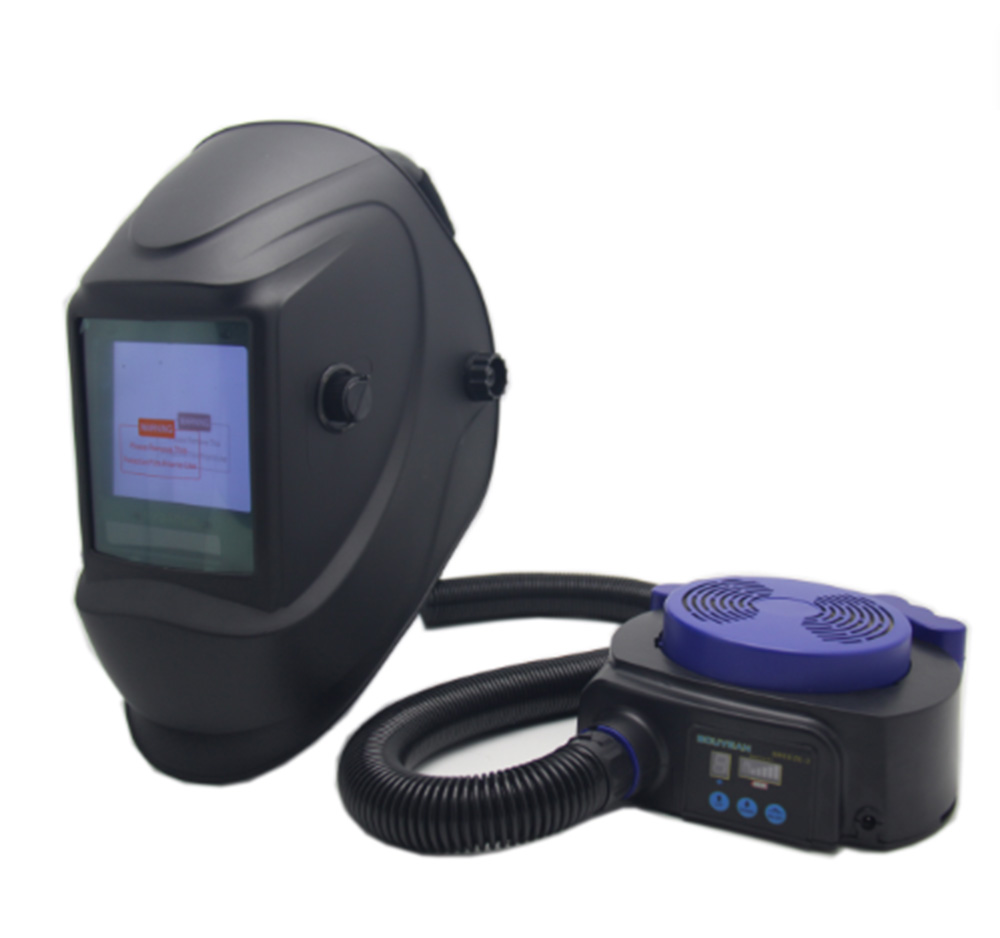
Welding: Welding shields typically offer protection against UV radiation, heat, and flying molten metal. The quality of the shield and the thickness of the material directly affect how much protection a worker will receive.
Chemical Spills: In industries dealing with hazardous chemicals, safety shields made of chemical-resistant materials offer protection against corrosive chemicals, preventing harmful splashes from reaching the worker’s body.
Protective safety shields must meet specific industry standards to ensure their effectiveness. Many countries and regions have guidelines for protective equipment, such as those set by OSHA (Occupational Safety and Health Administration) or ANSI (American National Standards Institute). Ensuring your shield meets these standards is crucial for reliable protection.
Prevents Injuries: Safety shields help reduce the risk of injuries caused by flying debris, chemicals, heat, and radiation.
Increases Worker Comfort: With proper protection, workers can focus on their tasks without worrying about potential hazards.
Compliance with Safety Regulations: Using protective safety shields helps employers comply with workplace safety laws and regulations.
Versatility: Protective shields can be used in a variety of industries, offering flexible protection for different risks.
JUNSEE is a reliable supplier and exporter of high-quality protective safety shields from China. With a wide range of shields designed to offer maximum protection for various applications, JUNSEE ensures that all of our products meet the highest safety standards. Whether you are working in welding, chemical processing, or any other hazardous environment, JUNSEE provides durable and effective safety solutions to keep your workers protected.


Your email address will not be published. Required fields are marked