
Introduction
• Starting up
Long press the power button 3s to boot, enter the low-end working state
• Power off
Press the power button for 3 consecutive times to turn off, stop working, and all indicator lights are off
• Indicator light
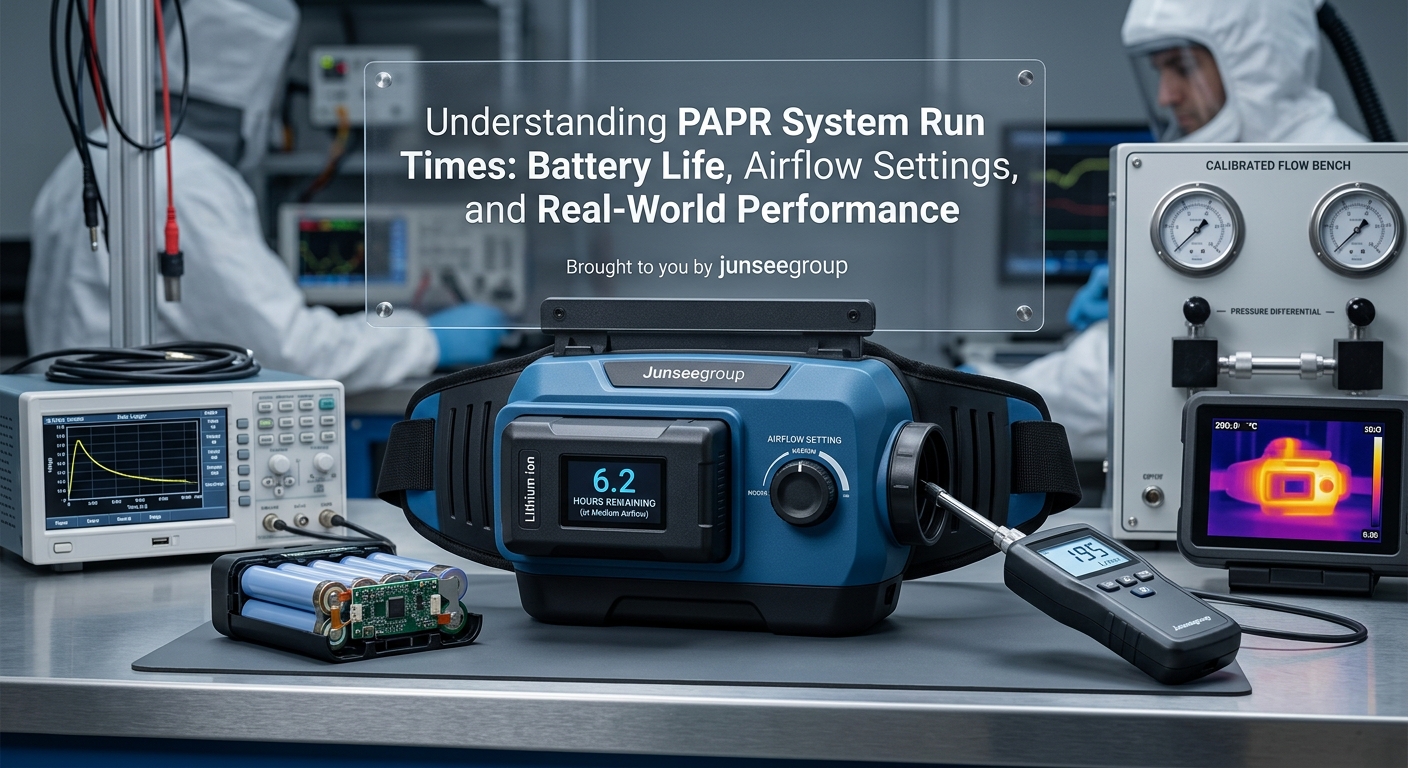
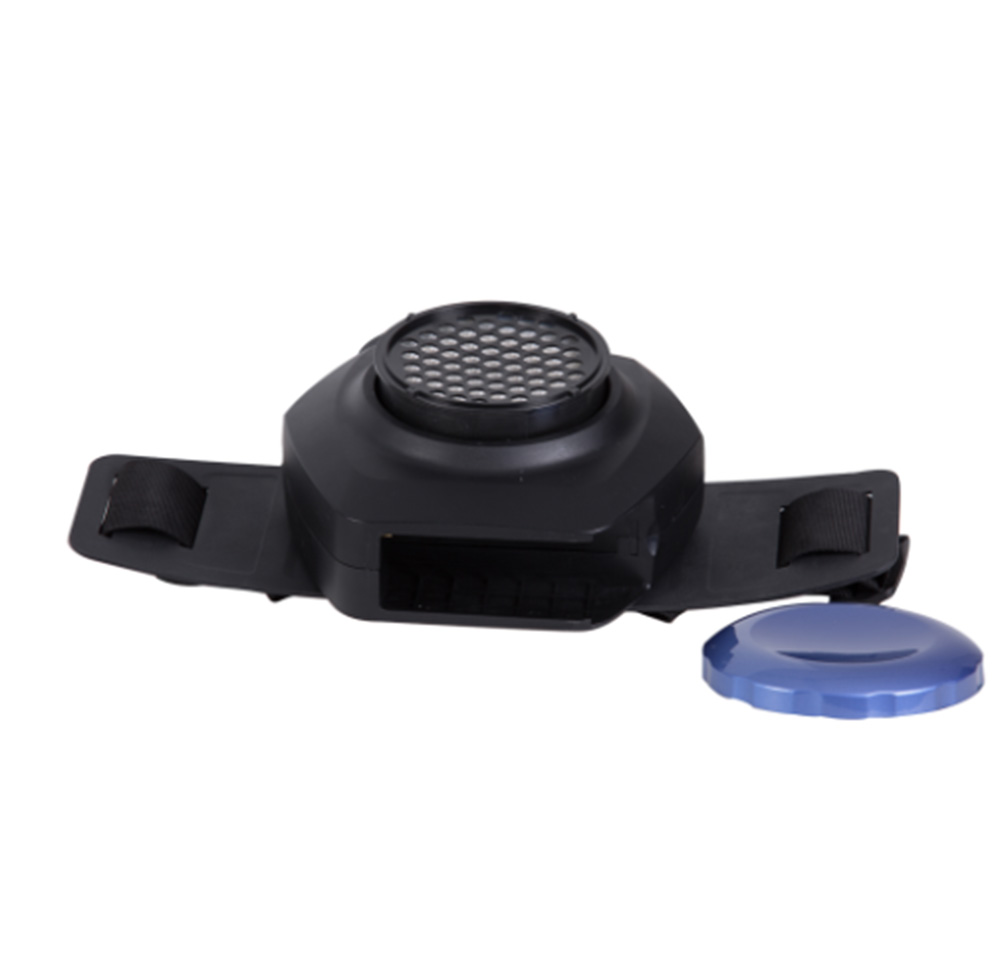
There are 4 indicator lights in total, 3 of which are white and green indicating the power level
• Electric quantity
When the battery is fully charged, the three-digit indicator light
(white) is fully illuminated, and the indicator lights are extinguished
one by one as the usage time increases. When the remaining 1 white light
flashes, please pay attention to charging.
• Battery charging
When charging, the first white light flashes, the first grid is long
after 1 grid is filled, the second grid white light is flashing, and so
on, and finally the three grid white lights are on, indicating that the
battery is fully charged.
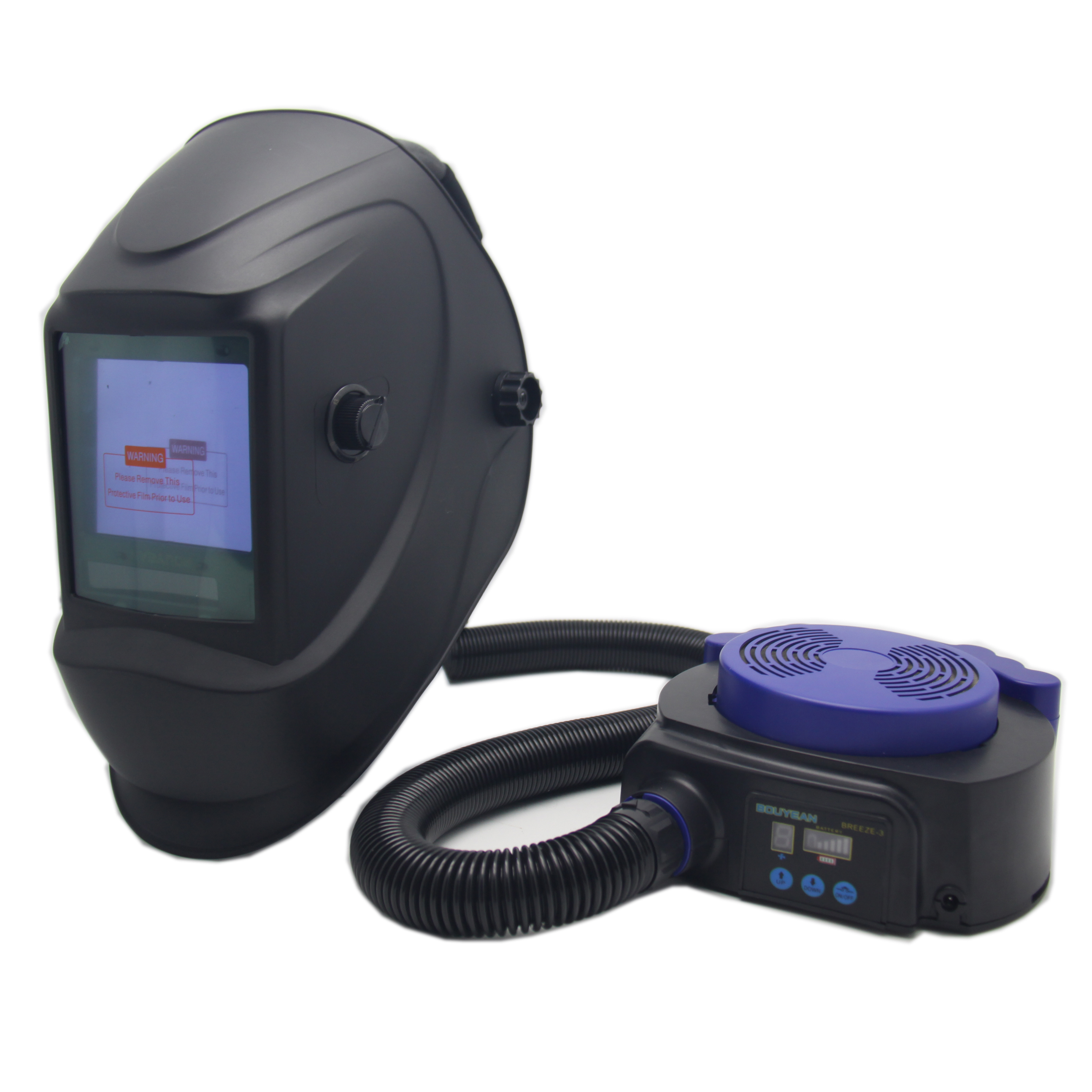
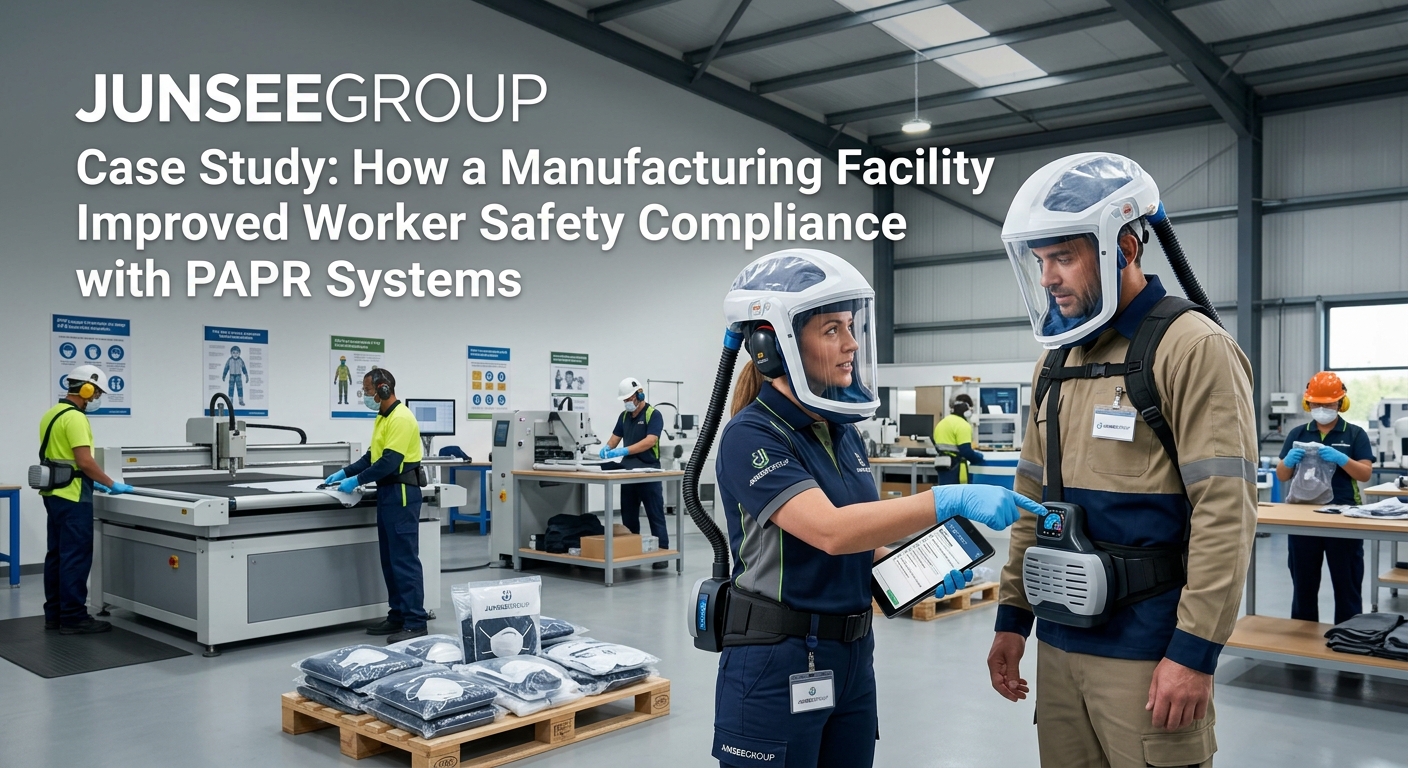
In hazardous work environments, clean air is not a luxury—it’s a necessity for health and survival. Powered Air Purifying Respirator (PAPR) systems have emerged as a critical component in industrial safety and emergency response, offering superior protection where traditional respirators fall short. This article explores the technology, applications, and vital benefits of PAPR masks for professional safety.
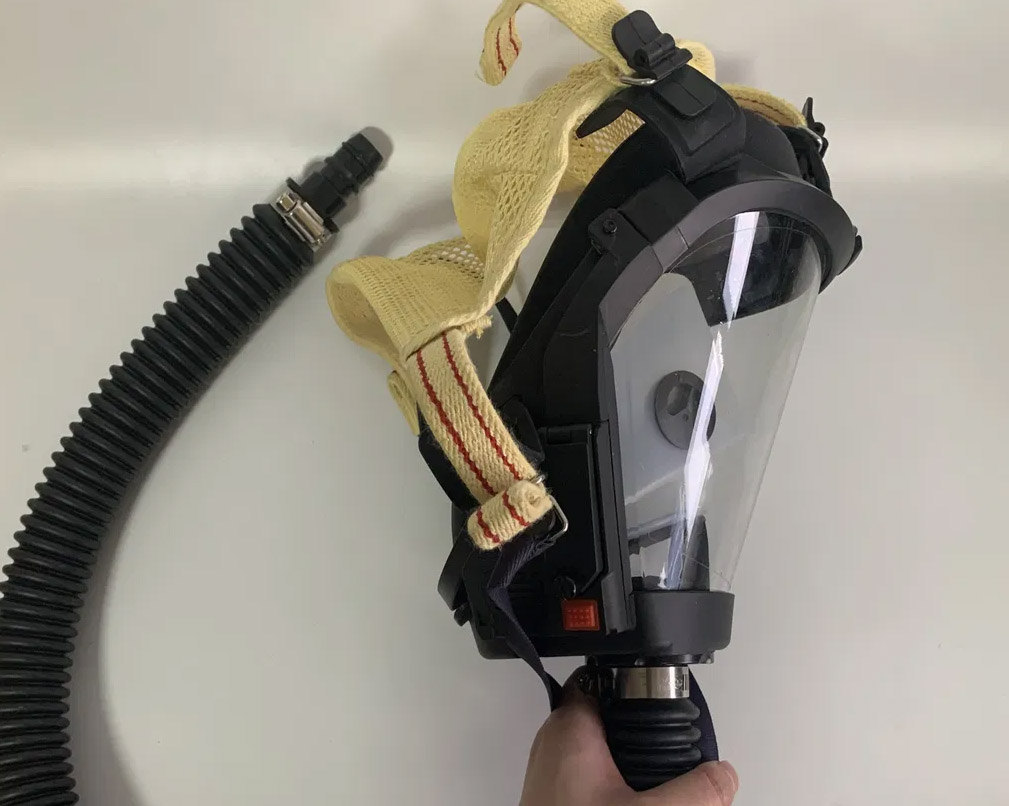
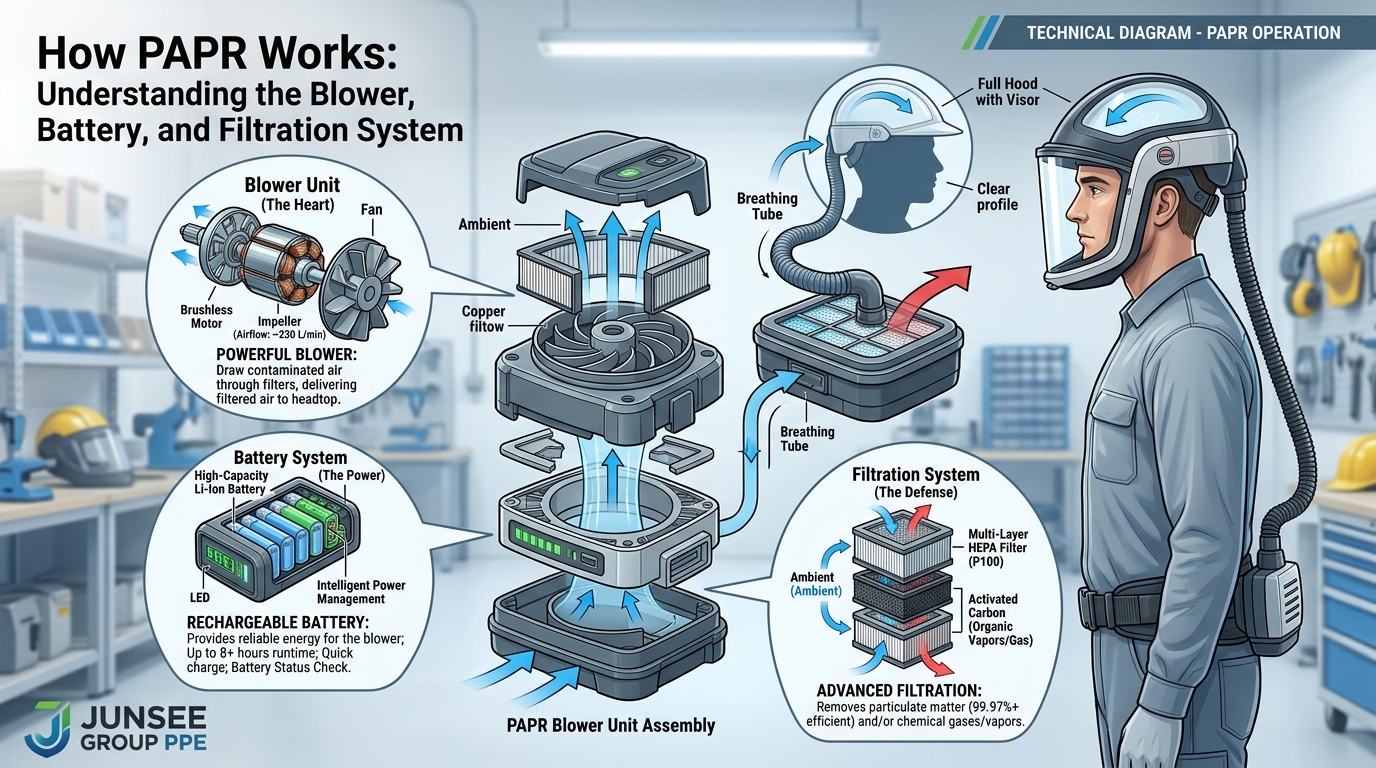
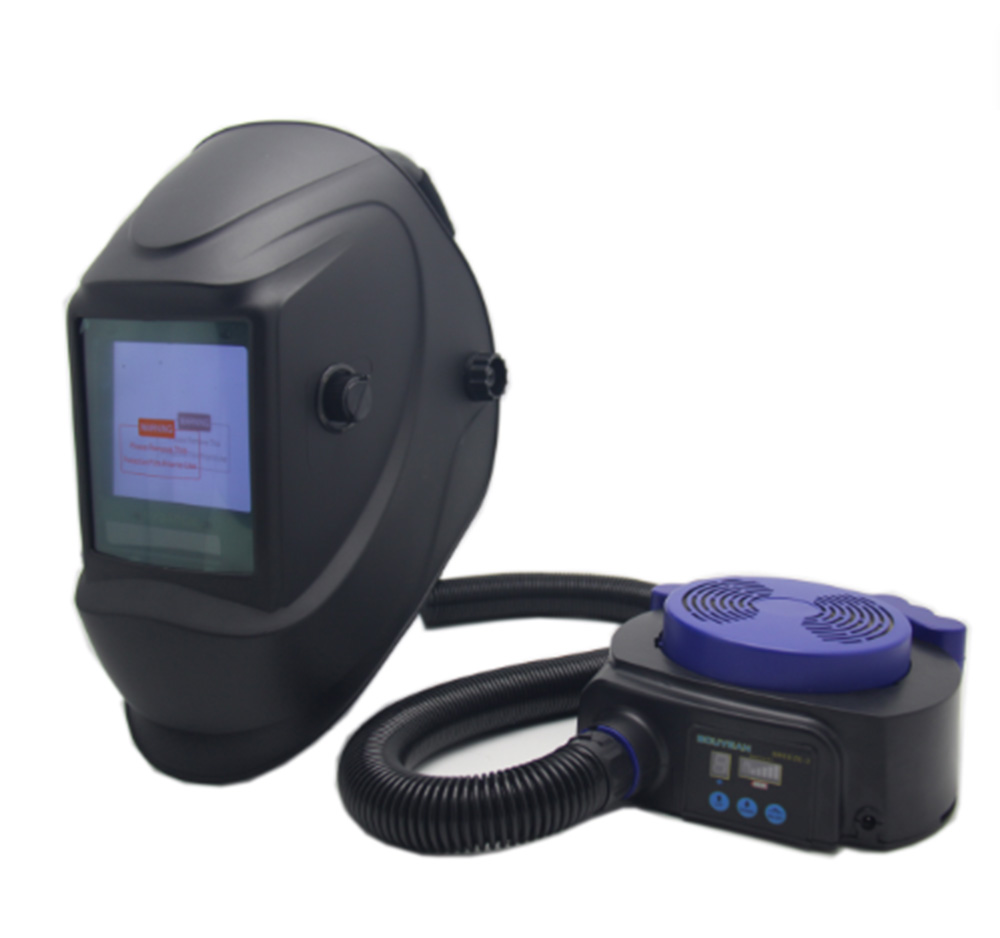
A Powered Air Purifying Respirator is a type of respiratory protection device that uses a battery-powered blower to pull contaminated air through a series of filters or cartridges. The purified air is then delivered to the wearer’s breathing zone under positive pressure, typically via a hood, helmet, or tight-fitting facepiece. This positive pressure creates a protective barrier, preventing unfiltered air from entering even if the seal is imperfect.
PAPR systems are indispensable across numerous high-risk sectors:
Industrial Manufacturing & Chemical Handling: Protects against toxic particulates, metal fumes, and organic vapors during processes like welding, painting, and chemical production.
Healthcare & Life Sciences: Used in infection control, especially against airborne pathogens, in laboratories and pharmaceutical settings.
Emergency Response & HAZMAT: Essential for firefighters, HAZMAT teams, and first responders dealing with unknown or highly concentrated hazardous substances.
Pharmaceutical & Biotechnology: Guards against exposure to active pharmaceutical ingredients (APIs) and biological agents.
Asbestos & Mold Abatement: Provides high-level protection during remediation of carcinogenic or toxic materials.
Enhanced Comfort & Wearability: The powered airflow reduces breathing resistance, minimizing fatigue and allowing for longer, more comfortable use during extended shifts.
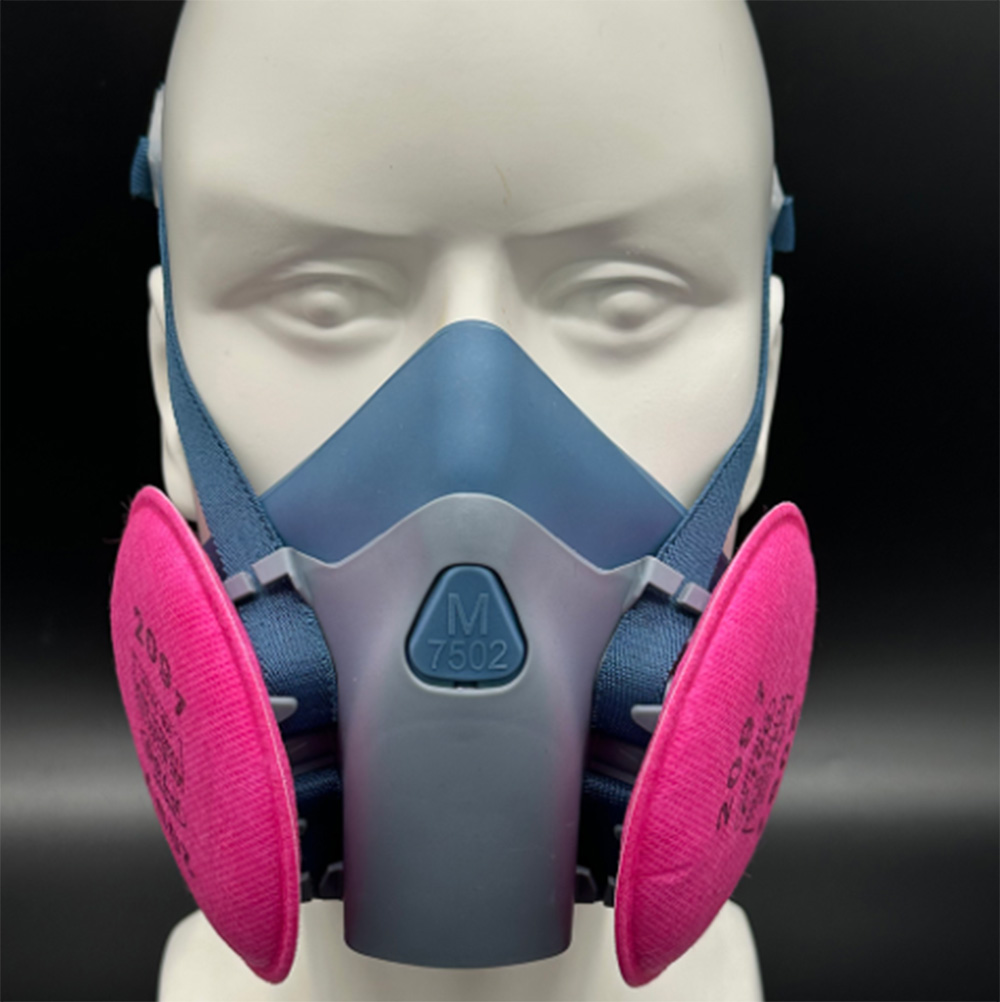
Superior Protection Factor: PAPRs generally offer a higher Assigned Protection Factor (APF)—often 25 to 1000+—compared to non-powered negative-pressure respirators.
Accommodates Facial Hair: Loose-fitting hoods and helmets allow for facial hair, which can break the seal of a tight-fitting mask, ensuring protection for more workers.
Improved Communication & Visibility: Many PAPR helmets integrate visors for eye/face protection and allow for clearer communication without removing the unit.
Selecting a PAPR requires careful consideration:
Type of Hazard: Identify the specific contaminants (particulates, gases, vapors, or a combination) to select the correct filter series (e.g., P100, multi-gas cartridges).
Work Environment: Consider battery life, unit weight, decontamination needs, and any intrinsic safety requirements for explosive atmospheres.
User Fit & Compatibility: Choose between hoods, helmets, or facepieces based on the required protection level, task, and user preference.
To ensure reliability:
Perform pre- and post-use inspections of the blower, battery, tubing, and hood.
Follow manufacturer guidelines for filter replacement and decontamination.
Charge batteries as instructed and store the entire unit in a clean, protected environment.
Provide comprehensive user training on donning, doffing, and emergency procedures.
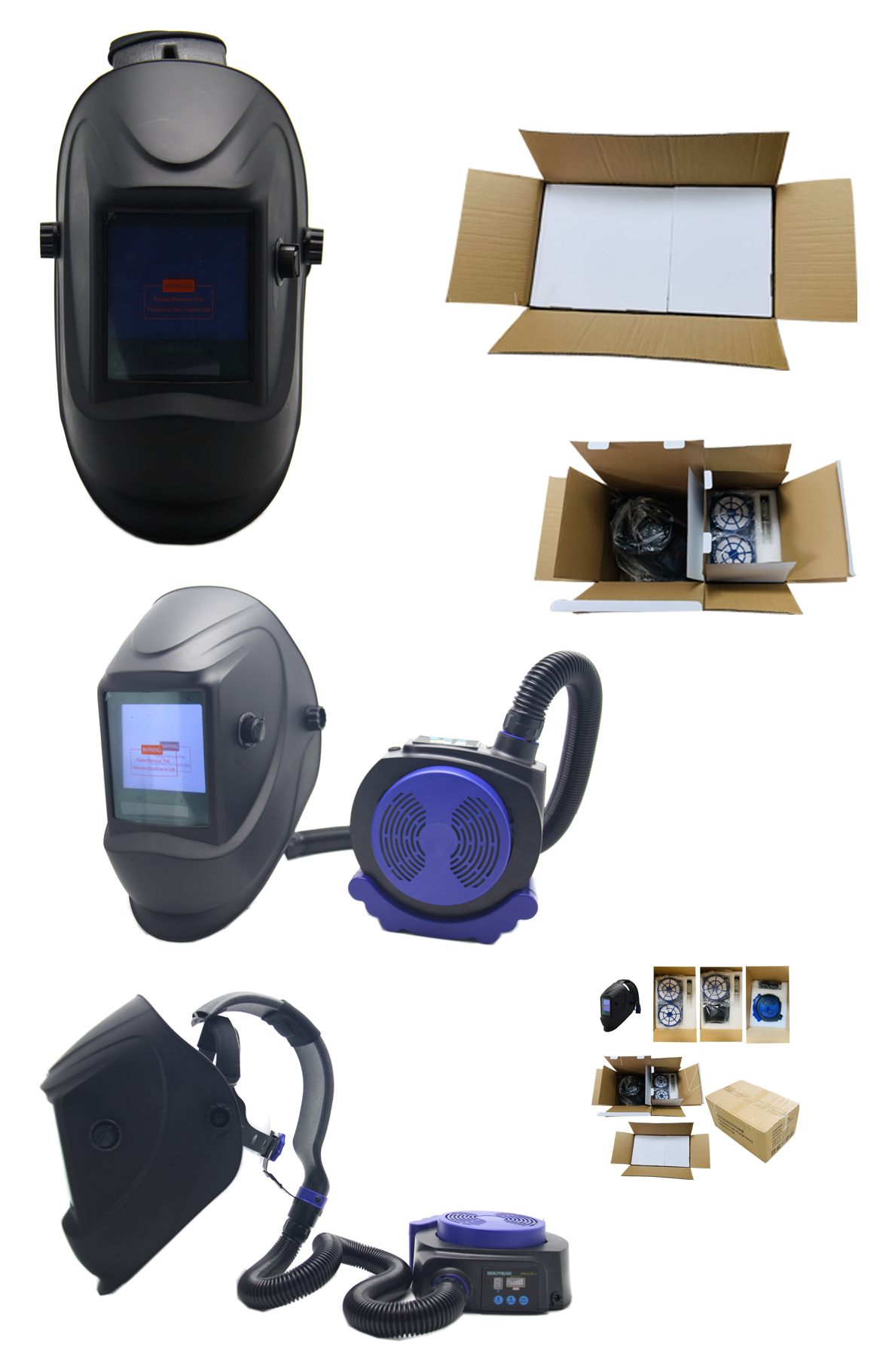
Investing in Powered Air Purifying Respirator technology is an investment in fundamental workforce safety, operational continuity, and regulatory compliance. For industries facing airborne hazards, PAPRs provide a robust, user-friendly solution that enhances protection while supporting worker productivity and comfort.
By understanding their applications and maintaining equipment properly, safety managers can ensure their teams are prepared for both daily industrial challenges and unforeseen emergencies, creating a safer and more resilient workplace.


Your email address will not be published. Required fields are marked