
Personnel Protective Equipment, commonly known as PPE, refers to specialized clothing or equipment worn to minimize exposure to hazards that cause serious workplace injuries and illnesses. From construction sites and healthcare facilities to laboratories and manufacturing plants, PPE serves as the last line of defense against occupational hazards when engineering and administrative controls are insufficient.
Conduct a hazard assessment to identify physical, chemical, biological, radiological, and other workplace hazards
Match PPE to specific hazards – different risks require different protection
Consider task-specific requirements – duration of exposure, work environment, and required mobility
Ensure equipment meets relevant safety standards (ANSI, OSHA, EN standards)
Ill-fitting PPE can be as dangerous as no protection – ensure proper sizing
Don PPE in correct sequence, typically from head to toe
Ensure no gaps in protection – especially important for respiratory and full-body coverage
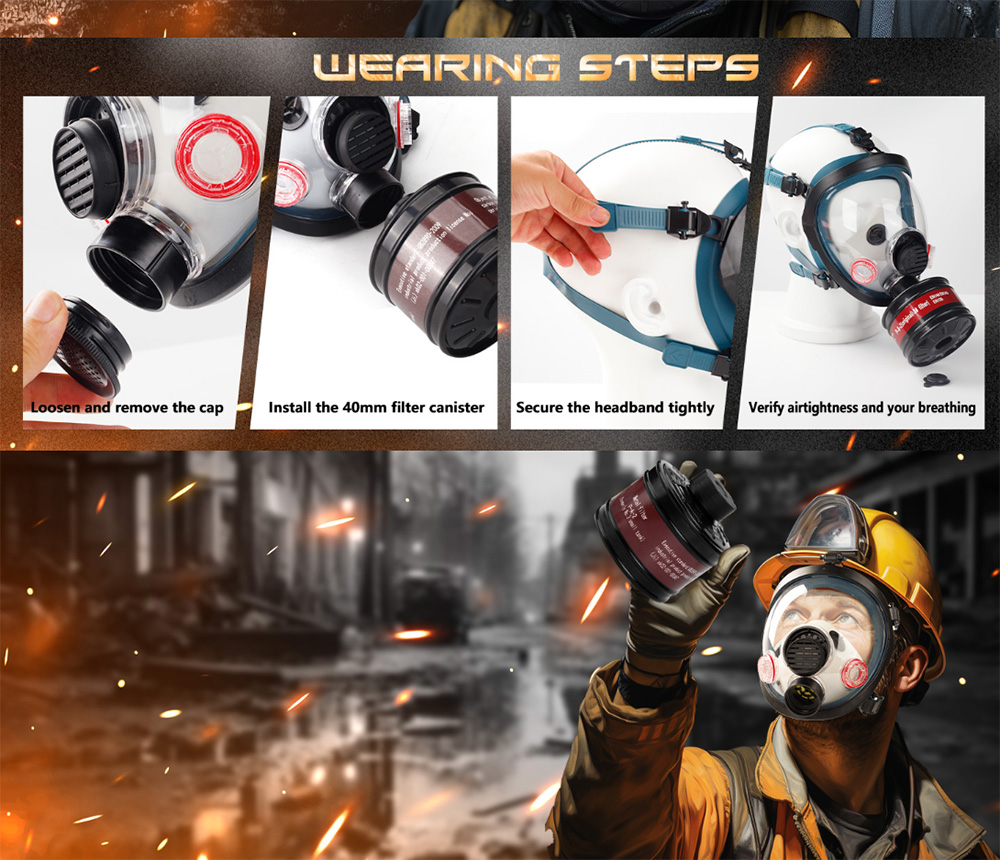
Perform user seal checks for respirators before each use
Inspect PPE before each use for damage, deterioration, or defects
Clean and disinfect reusable PPE according to manufacturer guidelines
Store PPE properly to prevent damage from environmental factors
Keep detailed maintenance records for equipment requiring periodic servicing
Provide comprehensive training on proper use, limitations, and maintenance
Ensure workers understand when PPE is necessary and what type is required
Demonstrate correct donning and doffing procedures to prevent contamination
Conduct regular refresher training and competency assessments
Understand that PPE has limitations – it doesn't eliminate hazards
Recognize that PPE degradation occurs over time, even with proper care
Establish clear accountability for PPE provision, maintenance, and use
Implement enforcement protocols to ensure compliance
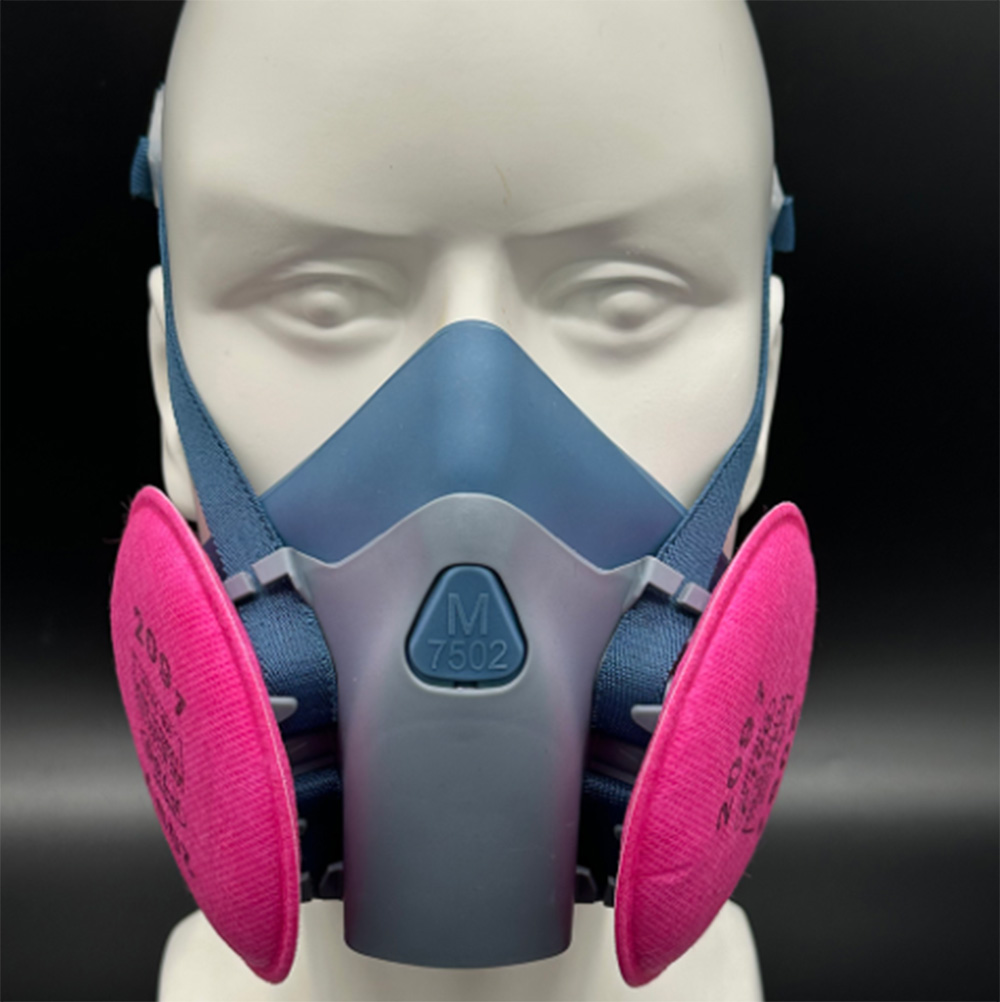
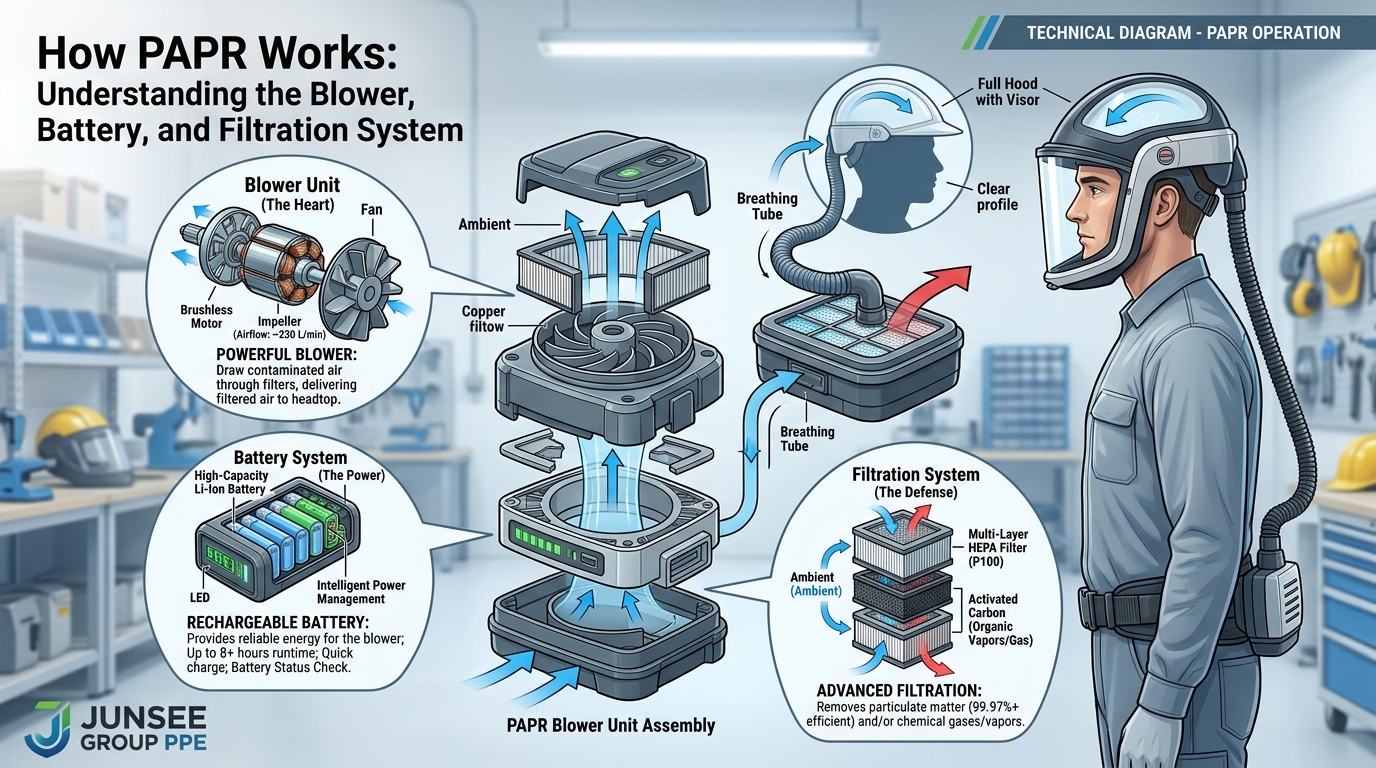
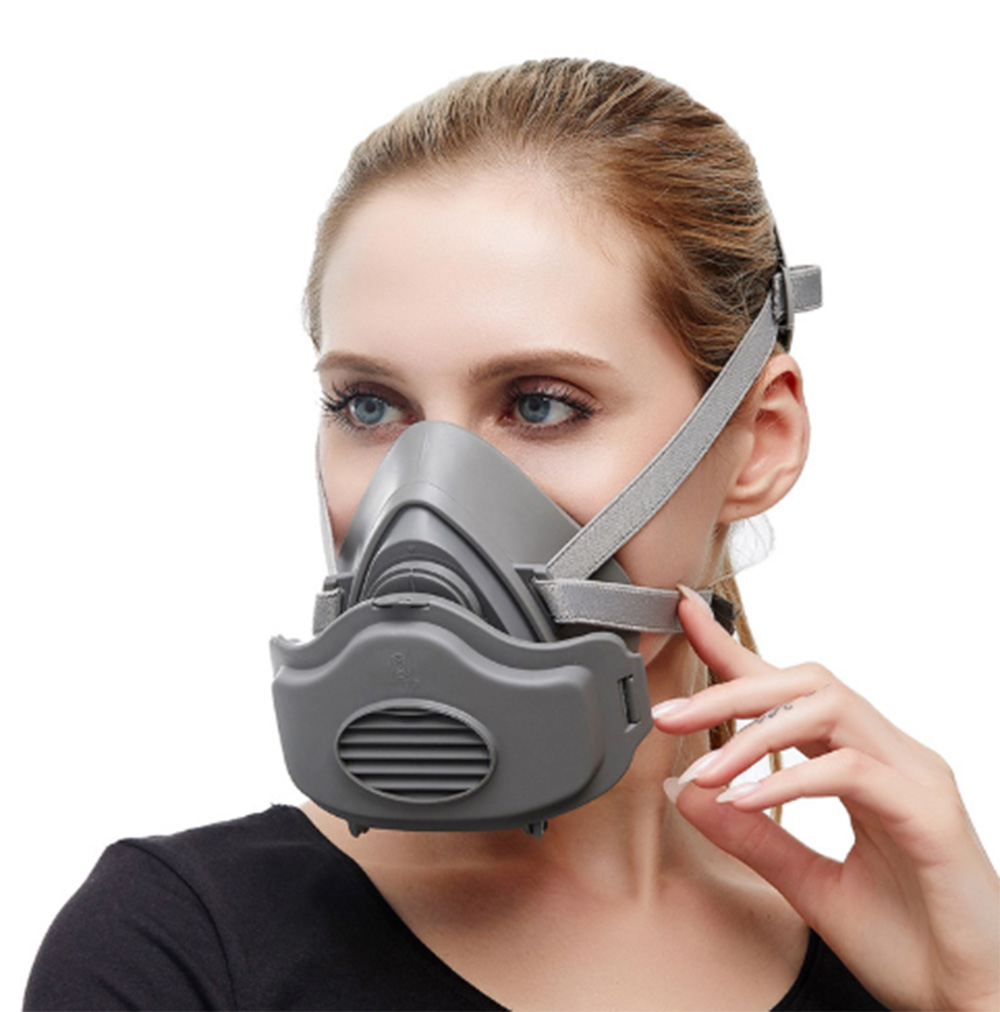
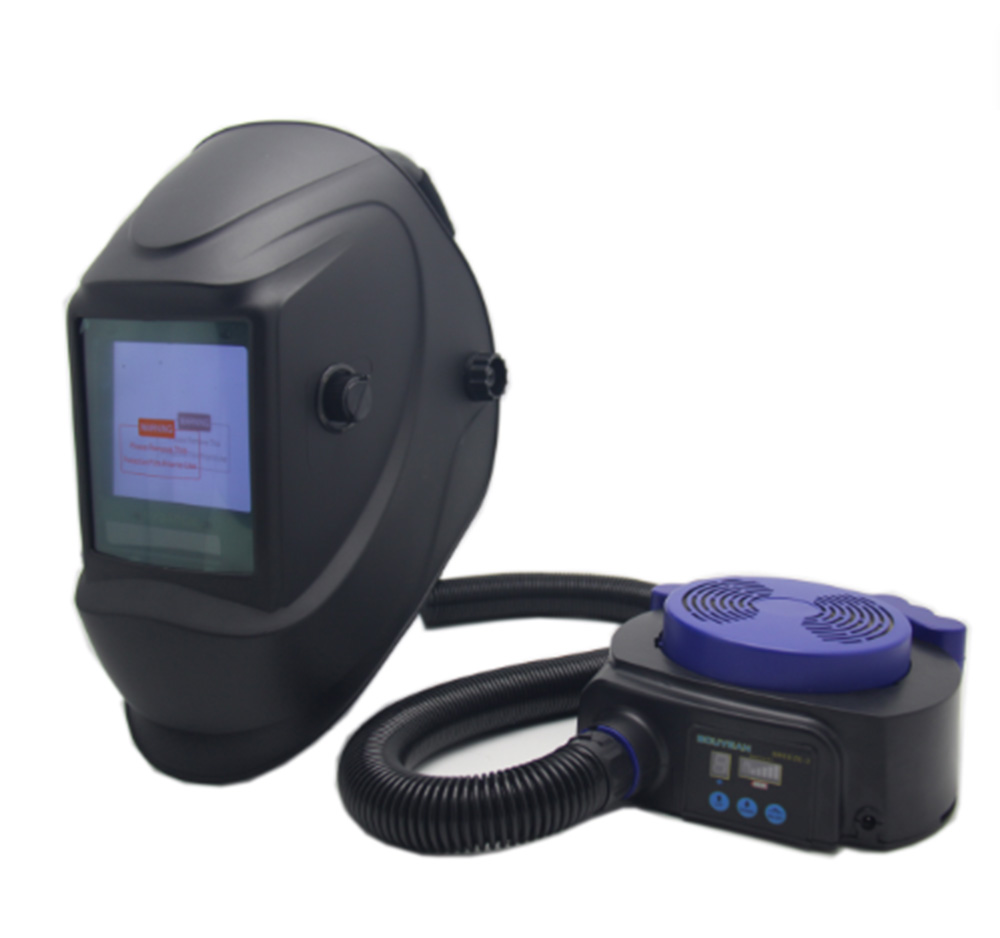
Select appropriate type (N95, half-face, full-face, powered air-purifying)
Ensure proper fit testing annually or when facial changes occur
Replace filters according to schedule or when breathing becomes difficult
Choose based on impact risk, chemical exposure, or optical radiation
Ensure compatibility with other PPE (respirators, hearing protection)
Replace scratched or damaged lenses immediately
Match glove material to specific chemical and physical hazards
Consider dexterity requirements alongside protection needs
Inspect for tears, punctures, or degradation before each use
Inspect harnesses, lanyards, and anchors before each use
Ensure proper anchor points capable of supporting required loads
Consider rescue planning when using fall arrest systems
Using damaged or expired equipment
Mixing incompatible PPE components
Removing PPE temporarily in hazardous environments
Failing to perform pre-use inspections
Using PPE beyond its service life
Neglecting proper cleaning between uses
Sharing PPE without proper disinfection
Storing PPE in contaminated areas
An effective PPE program should include:
Hazard assessment documentation
PPE selection criteria
Employee training records
Fit testing documentation (for respiratory protection)
Inspection and maintenance schedules
Procedures for addressing non-compliance
Regular program evaluation and updates
Proper use of Personnel Protective Equipment is not merely about wearing gear—it's about integrating PPE into a comprehensive safety culture that prioritizes hazard elimination, engineering controls, and administrative measures first. When PPE is necessary, its correct selection, use, and maintenance can mean the difference between a safe workday and a life-altering incident. Regular training, consistent enforcement, and ongoing evaluation of your PPE program ensure that this critical last line of defense remains effective.
Organizations must remember that PPE effectiveness depends on the human element—proper training transforms equipment into protection. Invest in both quality equipment and comprehensive education to maximize workplace safety.



Your email address will not be published. Required fields are marked